In cities like Amsterdam, London, Paris, and Copenhagen, small living is the norm rather than the exception. Apartments are compact. Rooms serve multiple purposes. Storage is scarce. And square metres come at a premium.
But some of the most beautiful, functional homes are also the smallest. What matters is not how much space you have, but how thoughtfully you use it.
This guide covers practical strategies for making small spaces feel generous, calm, and genuinely liveable.
Start With Layout
Before buying a single piece of furniture, spend time understanding how you actually use your space. Where do you eat? Where do you work? Where does clutter naturally accumulate?
Key principles:
- Circulation matters. Keep pathways clear. A room with good flow feels larger than one crammed with furniture, regardless of actual dimensions
- Define zones without walls. Use rugs, lighting changes, or furniture placement to create distinct areas within an open-plan space. A reading corner does not need a separate room. It needs a comfortable chair, a good lamp, and a sense of intention
- Question every piece. Does this item earn its place? If a coffee table blocks the room but you never use it, remove it. If a dining table sits empty six days a week, consider a drop-leaf or wall-mounted alternative
- Think vertically. Floor space is limited; wall space and ceiling height often are not. Tall bookshelves, high-mounted hooks, and wall-hung storage exploit dimensions that are frequently ignored
Furniture That Works Harder
In a small home, every piece of furniture should ideally serve more than one purpose.
Smart choices:
- Ottoman with storage: seating, footrest, and hidden storage in one
- Drop-leaf or extendable dining table: compact daily, generous when entertaining
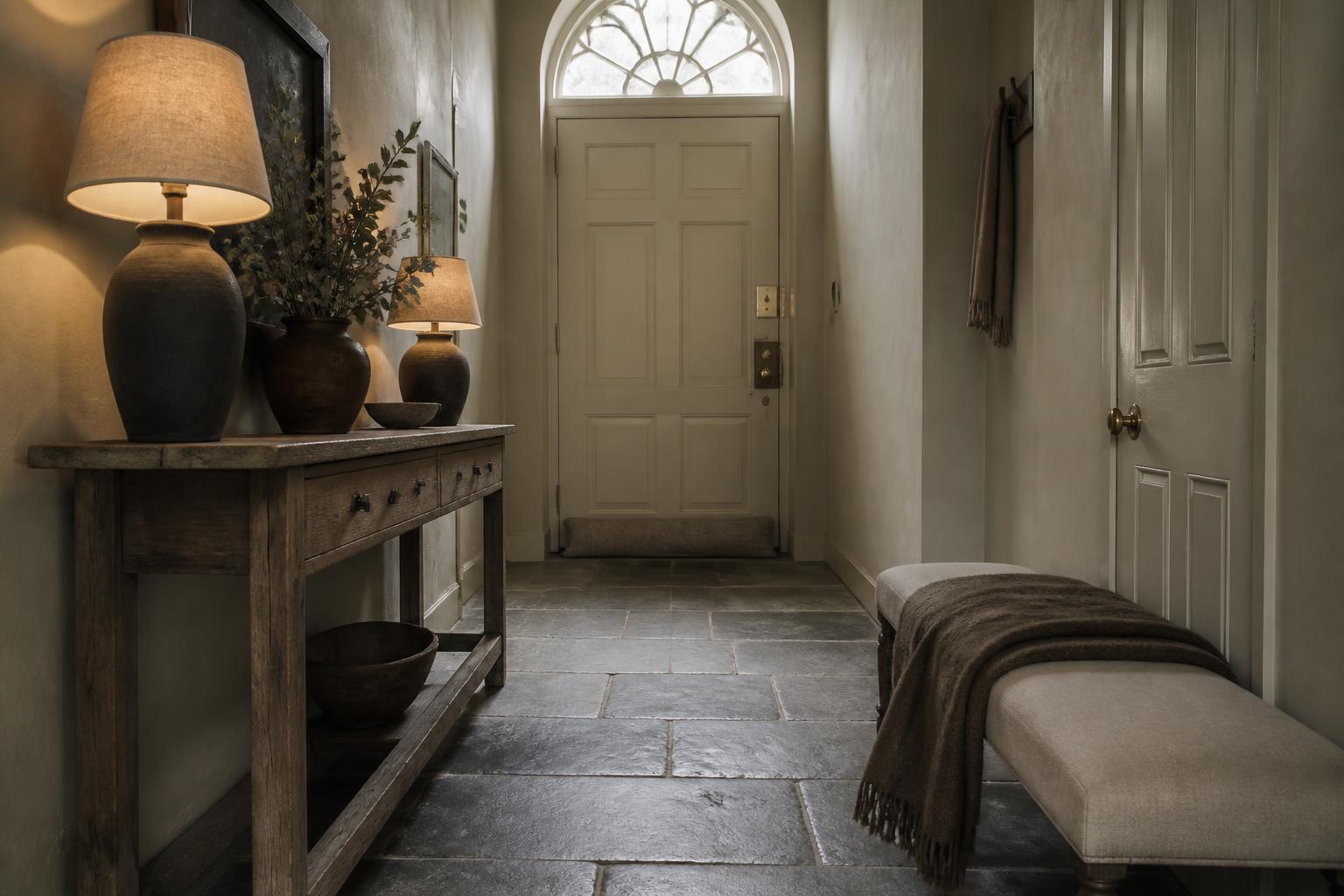
- Bench seating with storage below: particularly effective in hallways and entryways or kitchen dining areas
- Wall-mounted desk: folds away when not in use, preserving floor space
- Bed with drawer storage: eliminates the need for a separate chest of drawers in tight bedrooms
- Nesting tables: pull out when needed, stack when not
Scale matters. Oversized furniture in a small room makes it feel cramped, but furniture that is too small can make a space feel fussy. Choose pieces with visual lightness (raised legs, slim profiles, transparent or reflective materials) that allow the eye (and light) to travel beneath and around them.
Storage That Disappears
Storage is the single biggest challenge in compact living. The solution is not more storage boxes. It is built-in solutions that use every available inch.
High-impact strategies:
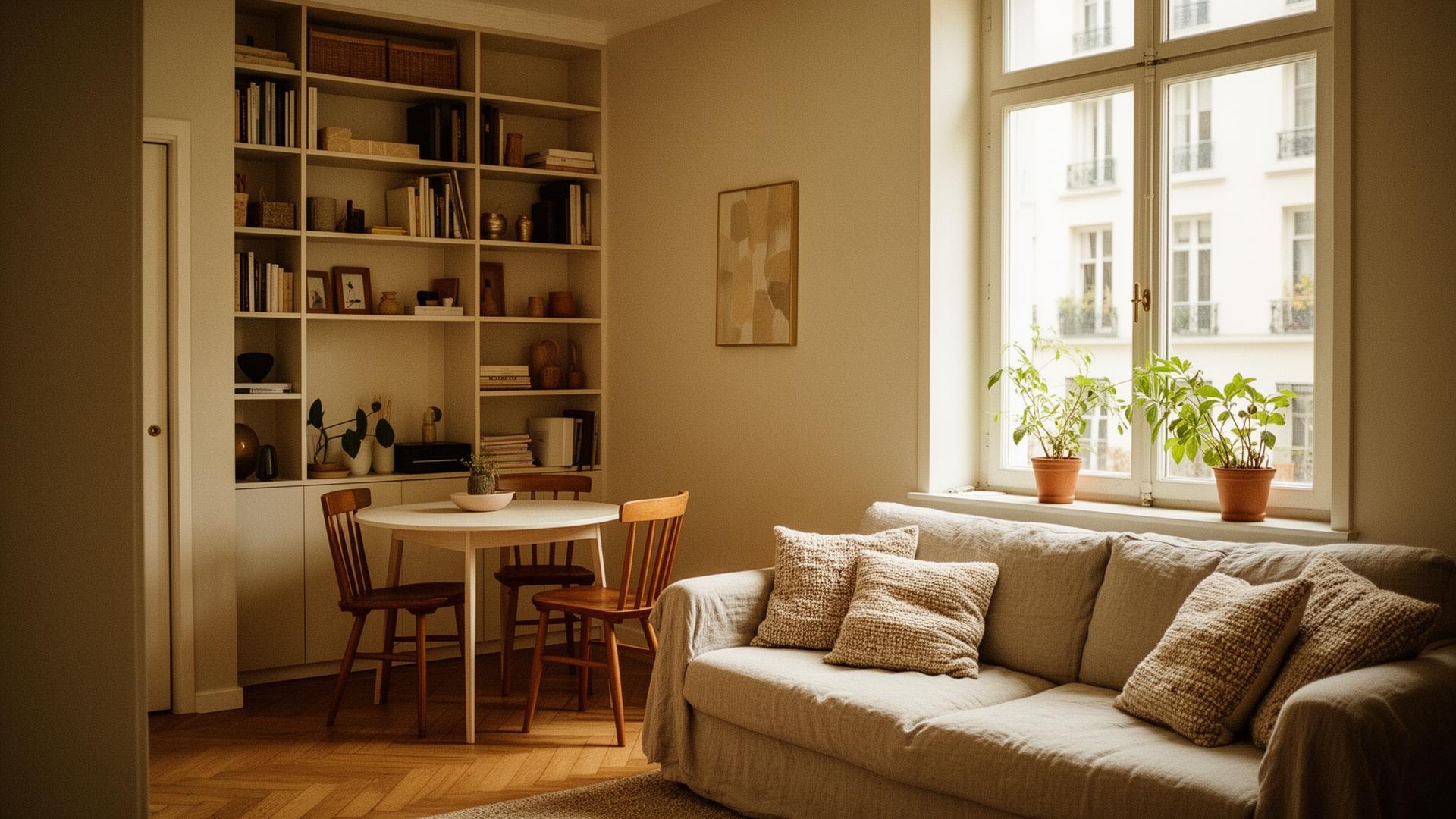
- Floor-to-ceiling built-ins in alcoves, either side of fireplaces, or along corridor walls. Closed cabinets below, open shelves above
- Over-door storage: hooks, slim shelves, or hanging organisers on the backs of doors
- Under-stair drawers: pull-out units that transform dead space into practical storage
- Recessed shelving in bathrooms and kitchens: niches carved into stud walls gain storage without losing floor area
- Vertical hooks and rails in kitchens: wall-mounted knife strips, hanging rail systems, and pegboards free up counter and drawer space
The goal is to give everything a home. When every object has a place, even a small room feels orderly.
Light Is Everything
Small spaces thrive on light. Both natural and artificial light shape how generous a room feels.
Maximise natural light:
- Keep window treatments minimal: sheer linens, simple roller blinds, or nothing at all where privacy allows
- Avoid blocking windows with tall furniture
- Use mirrors strategically, opposite or adjacent to windows to bounce light deeper into the room
- Consider glass or glazed internal doors to allow light to travel between rooms
Layer artificial light:
- Multiple smaller light sources feel more generous than a single overhead pendant. As explored in the lighting guide, the combination of ambient, task, and accent light creates depth and warmth
- Wall lights and sconces save surface space that table lamps occupy
- LED strips under shelves or inside cabinets add glow without bulk
Colour and Material Choices
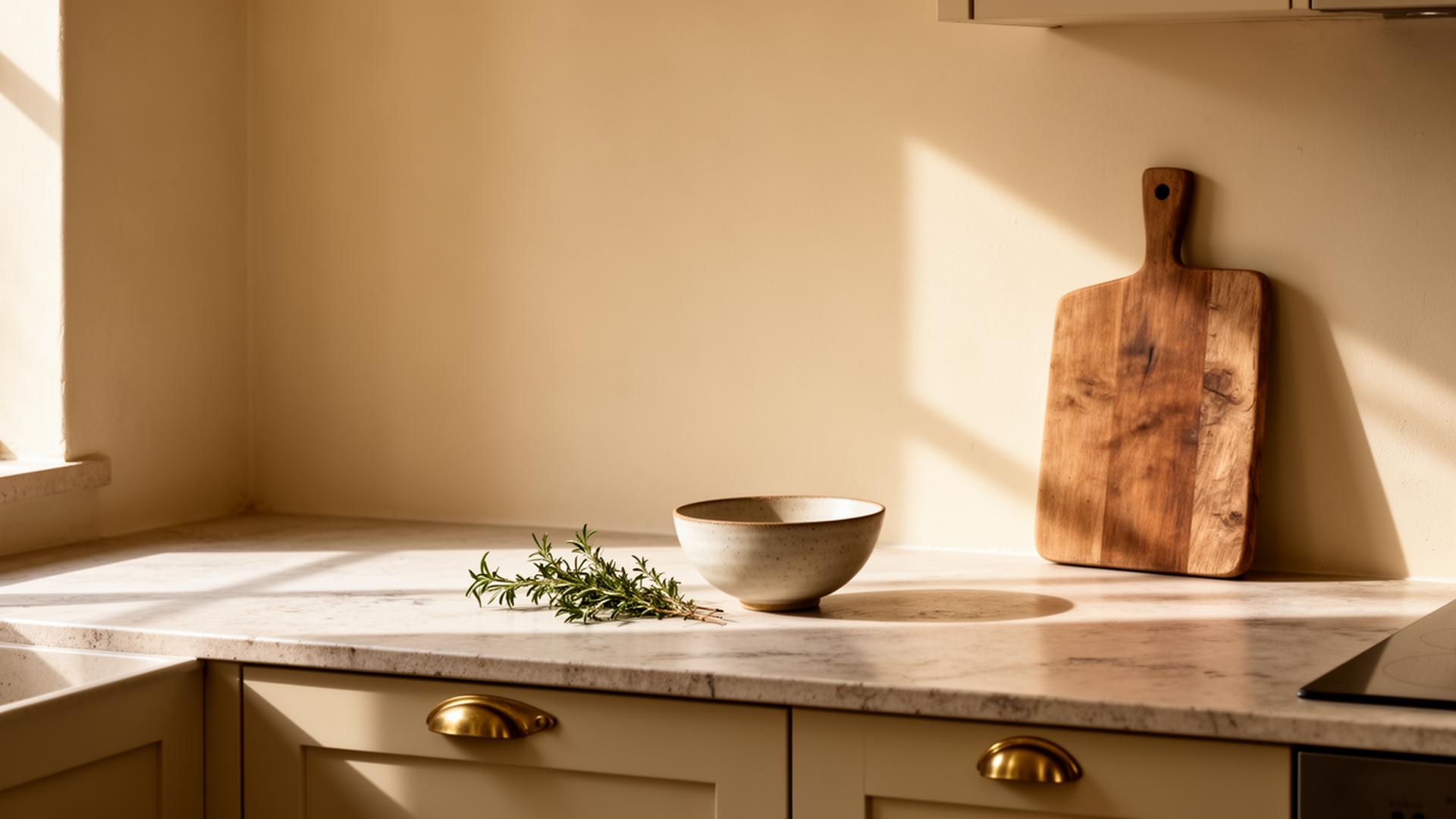
Light does not mean white. A common assumption is that small rooms must be painted white. In reality, a warm off-white, a soft greige, or even a considered dark colour can make a small space feel more interesting and intentional.
What works:
- Warm neutrals create a sense of calm without the starkness of pure white
- Colour drenching: painting walls, ceiling, and woodwork the same shade, eliminates visual boundaries and can make a small room feel larger, not smaller
- One bold wall or feature can add drama without overwhelming
- Consistent flooring throughout reduces visual breaks and makes a small home feel more continuous
Materials with reflectivity: polished stone, lacquered surfaces, mirrors, glass) bounce light and add perceived depth. But balance these with warm textures (linen, wood, wool) to prevent the space feeling clinical.
Editing and Restraint
Small-space living requires a willingness to edit. Not minimalism for its own sake, but an honest assessment of what you need, what you love, and what is simply taking up space.
Practical editing principles:
- One in, one out. When something new comes in, something old goes out
- Seasonal rotation. Store winter textiles in summer and vice versa. Rotate artwork or accessories rather than displaying everything at once
- Curate surfaces. A few well-chosen objects on a shelf feel considered. Twenty objects feel cluttered. Leave breathing room
- Digitise where possible. Books, records, and magazines accumulate. Keep what you love; donate or store the rest
Editing is not about deprivation. It is about making space for what matters.
Small Kitchens
Compact kitchens demand efficiency:
- Wall-mounted storage: open shelving, magnetic knife strips, hanging rails
- Deep drawers over base cabinets: you can see everything at a glance
- Integrated appliances to maintain clean lines
- A kitchen island on wheels: moveable worktop and storage that can be pushed aside when not needed
- Pull-out larder units that maximise narrow cupboard space
Focus on workflow: sink, prep area, and hob should form a functional triangle, even in a galley layout.
Small Bathrooms
Bathrooms in older European apartments are often remarkably compact. Every centimetre counts:
- Wall-hung sanitaryware (toilet and basin) frees up visual and actual floor space
- Recessed shower niches instead of freestanding caddies
- Large-format tiles with fewer grout lines make a small bathroom feel more expansive
- Mirrored cabinets provide storage and reflected light simultaneously
- Glass shower screens instead of curtains maintain visual openness
Small Bedrooms
The bedroom should feel restful, not cramped:
- Built-in wardrobes with sliding or pocket doors save the swing space of hinged doors
- Floating bedside shelves instead of tables
- Under-bed storage for seasonal items and spare linens
- Minimal colour palette for calm
- Good blackout blinds: if the room is small, at least it should be dark enough for excellent sleep
Living well in a small space is not about sacrifice. It is about clarity. Knowing what you need, choosing it well, and giving it room to breathe.
The most considered small homes feel generous not because of their dimensions but because of their intention. Every piece earns its place. Every surface has purpose. And there is a particular satisfaction in a home where nothing is wasted.