The entrance to your home works harder than almost any other space. It is where you arrive after a long day, where guests form their first impression, where coats get dumped and keys go missing. It is also, in most homes, the last place to receive any design attention. The result is usually a corridor of compromise: a tangle of shoes, a lone hook bearing too much weight, a mirror hung in the wrong place.
Hallways can be narrow, dark or awkwardly shaped. But with a few considered choices, they can also become one of the most characterful spaces in the house. A good entrance sets the emotional tone for the whole home, and it does not need to be grand to do so.
Function first
Before you think about styling, think about what actually happens here. A hallway is a working room as much as a decorative one, and styling laid over a broken function never quite settles.
Map the daily reality:
-
Coats need somewhere to go. Hooks for daily wear, a cupboard or rail for the rest.
-
Shoes need a home. A bench, a rack, a basket, or at the very least a serious doormat.
-
Keys, post and bags need a landing spot, ideally one that is not the floor.
-
A mirror for a last check before leaving is almost always worth the wall space.
-
An umbrella stand, however unfashionable, will save your floor in winter.
Get these right and the styling will follow. Get them wrong and no amount of artful arrangement will save you from daily friction.
Consider the sightline
What do you see when you open the front door? This first view sets the tone for the entire home, and most people have never really looked at it.
Stand outside, open the door, and take an honest photograph. The eye should land on something intentional: a console with a lamp, a piece of art, a beautiful floor, the curve of a stair. If your hallway leads directly into a cluttered kitchen or an unfortunate view of the boiler cupboard, redirect the focus. A runner draws the eye down the floor. A tall plant or a single piece of art draws it up. A change in wall colour at the far end gives the eye somewhere to stop.
Choose your anchor pieces
Every entrance benefits from at least one anchor piece, something that holds the space and gives it purpose rather than letting it dissolve into a corridor.
Options, depending on what you have room for:
-
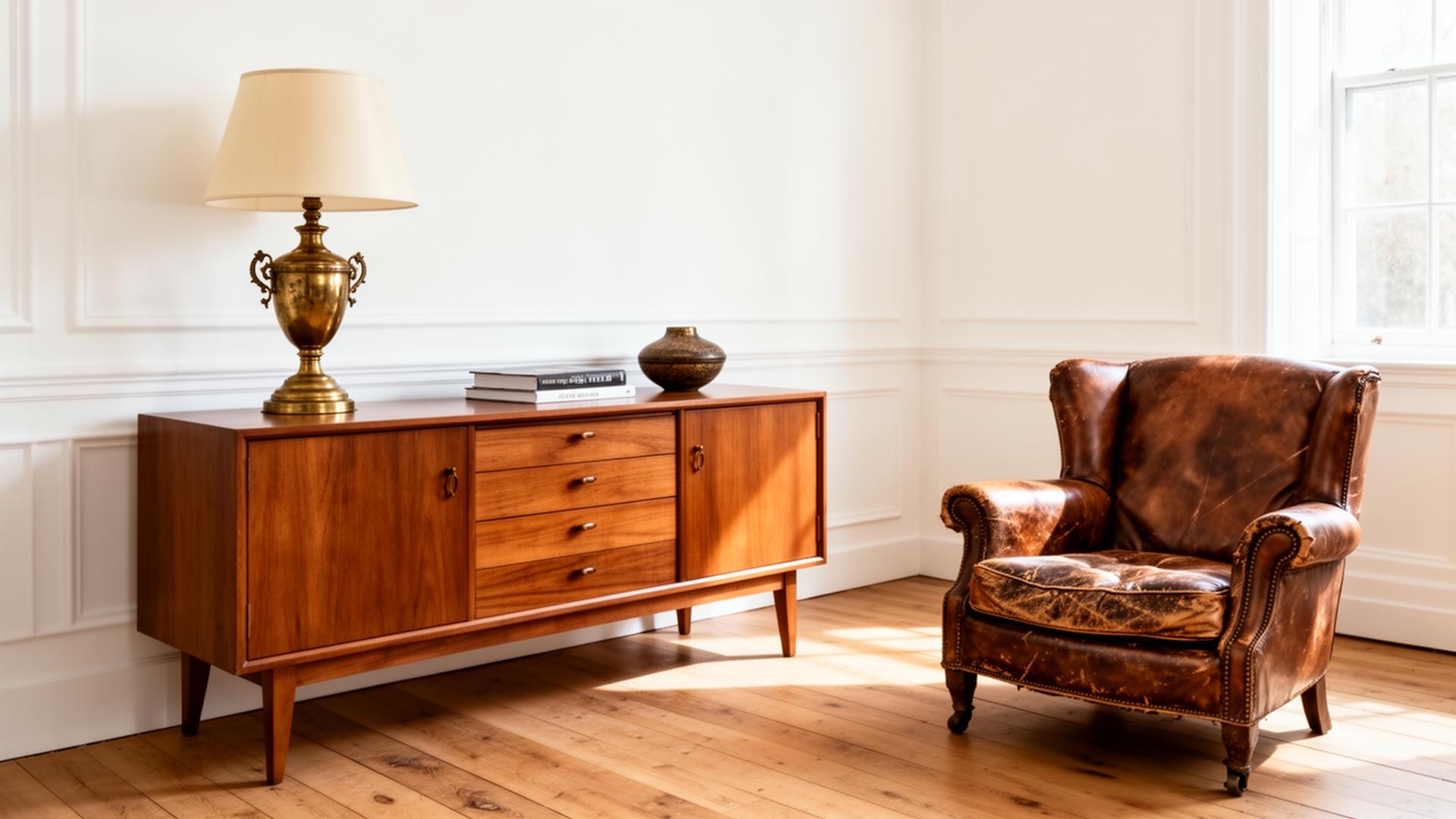
A console table for keys, a lamp and a small vignette, if you have the width.
-
A bench with storage below, for sitting to put on shoes and hiding what you would rather not see.
-
A statement mirror, large enough to feel deliberate, to bounce light and make the space feel longer.
-
A coat stand or a row of hooks that feels considered, not chaotic. Brass or aged iron beats plastic every time.
-
A large basket or a vintage trunk for boots, sports kit, dog leads, anything that otherwise lives on the floor.
These do not need to be expensive. A vintage bench from a flea market, a charity-shop mirror, or a row of simple brass hooks can do the job beautifully. The key is one piece that feels intentional, not five pieces that feel apologetic.
Layer the details
Once the anchor is in place, layer the details:
-
Lighting. Wall sconces, a small table lamp, or a pendant scaled to the ceiling height. Avoid relying on a single overhead light, it rarely flatters and rarely welcomes. A lamp on a console at the end of a hallway, on a timer, is one of the warmest gestures a home can make.
-
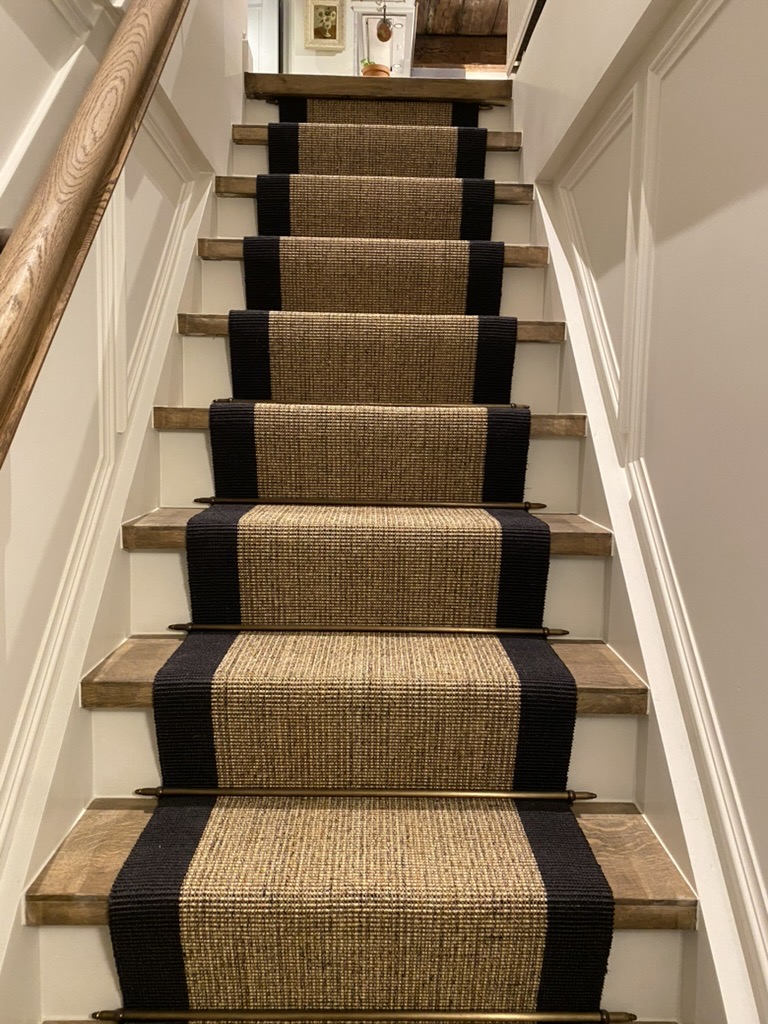
Flooring. Original tiles brought back to life, a hardwearing runner in seagrass or wool, a bold patterned doormat. The floor is half the room in a hallway and worth investing in.
-
Art or mirrors. Hung at eye level, properly lit if possible. Picture lights or a small uplight transform a piece of art in a dark corridor.
-
Scent. A subtle candle, dried flowers, a small dish of cloves and orange peel in winter. Scent is the first thing you and your guests register, often before sight catches up.
The entrance is glimpsed briefly, so each element should be deliberate. Less is more, but less should still be considered.
Work with difficult proportions
Most hallways are difficult. Here is how to work with the common challenges rather than against them.
Narrow spaces. Keep furniture slim. A shallow console no more than 25cm deep, a wall-mounted shelf instead of a freestanding piece, hooks instead of a coat stand. Use a long mirror to add depth and bounce whatever light you have.
Dark spaces. Pale walls bounce light, but a paler hallway leading into a darker living room can feel jarring. Sometimes leaning into the dark with a deep colour and good lighting works better than fighting it. A mirror opposite a window, if you have one, doubles the daylight.
Busy spaces. Too many doors, stairs and corridors meeting at once make an entrance feel chaotic. Paint all the woodwork, doors and trim the same colour to calm things down. A runner gives the eye a clear visual direction through the noise.
No natural light. Embrace the warmth. Darker wall colours, layered lamps and a candle make a virtue of the moodiness. A windowless hallway will never feel like a sun-drenched room, so stop trying to make it one.
Seasonal touches
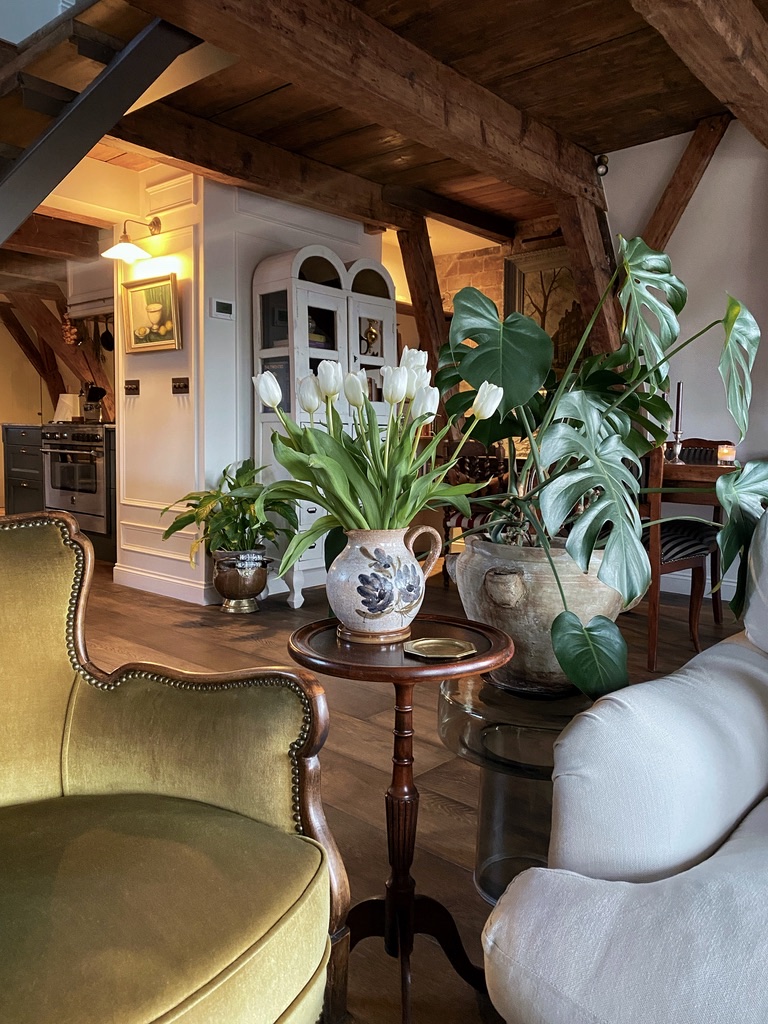
The entrance is the easiest place in the house to add seasonal character. A spring posy in a small jug, autumn branches in a tall vase, a simple eucalyptus wreath in winter, a bowl of conkers or pebbles collected on a walk. These small gestures signal care without requiring a redesign, and they keep the hardest-working room in the house feeling alive.
A note for renters
If you cannot drill, paint or change the floor, focus on the things you can take with you. A heavy console or a slim bench, a freestanding coat stand, a beautiful runner over a tired floor, a row of leaning art rather than hung, a single statement lamp. The entrance is one of the easiest rooms in a rental to transform without touching the building.
The entrance is your home's first chapter. It does not need to be grand, but it does need to feel considered. Start with function. Add an anchor piece. Layer the details. The best hallways feel like a promise of what is to come.