You can have the best layout, the most beautiful furniture, even perfectly curated finishes, and still feel like something is missing. That final ten percent, the finishing touches, is where the magic happens. It is what makes a space feel personal, welcoming and genuinely lived-in, rather than freshly photographed and quickly abandoned.
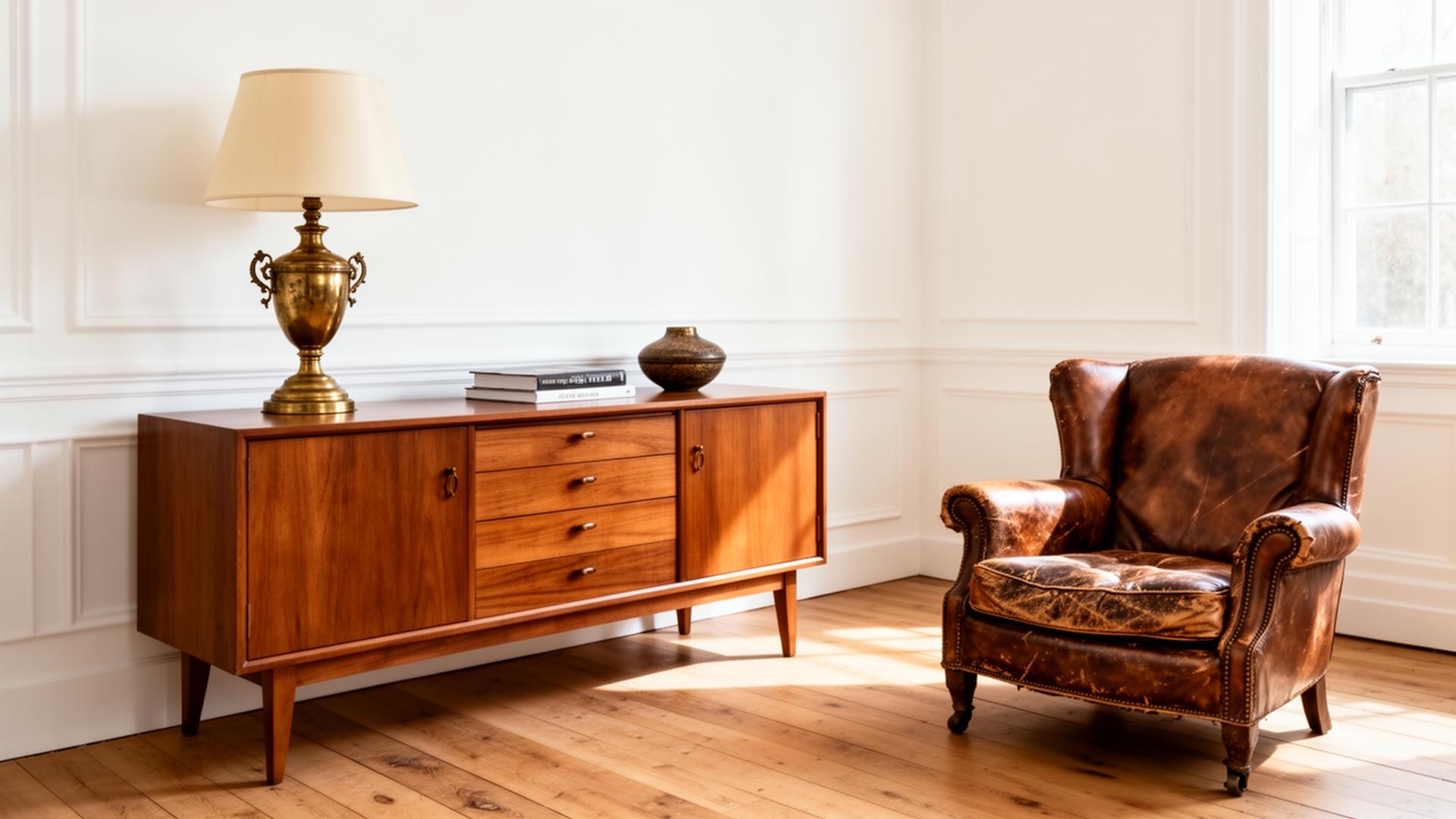
Think cushions tossed just-so, books stacked with intention, a lamp with a pleated shade casting soft evening light, a single bowl of lemons on a worn wooden board. Styling is not clutter. It is character. It is the layer that tells your story, and it is almost always the difference between a room that looks finished and one that feels finished.
Start with how you use the space
Styling should reflect the way you live, not fight against it. The most beautiful vignette in the world is useless if it gets swept aside every evening to make room for your laptop.
Walk through each room and pay honest attention:
-
Where does your eye naturally land when you walk in?
-
Where do you actually sit, and what do you reach for when you do?
-
What feels unfinished or cold?
-
What do you already own, but have not displayed properly?
-
Where does life land at the end of the day: keys, post, glasses, books?
Style for those answers. If you always have a cup of tea nearby, add a small tray to catch mugs and coasters. If you read every night, pile your favourite titles in an oversized basket beside the chair. If you entertain often, keep wine glasses or cocktail tools out on an antique tray rather than buried in a cupboard. A room should never feel like it is holding its breath. It should exhale.
Layer textures and materials
The most successful interiors have depth, and that depth almost always comes from mixing textures. A single material, no matter how lovely, flattens a room. Three or four in conversation bring it alive.
Think in groups:
-
Natural fibres for warmth: linen, jute, rattan, wool, raw silk.
-
Metal finishes for shine and weight: brass candlesticks, iron picture frames, aged copper trays.
-
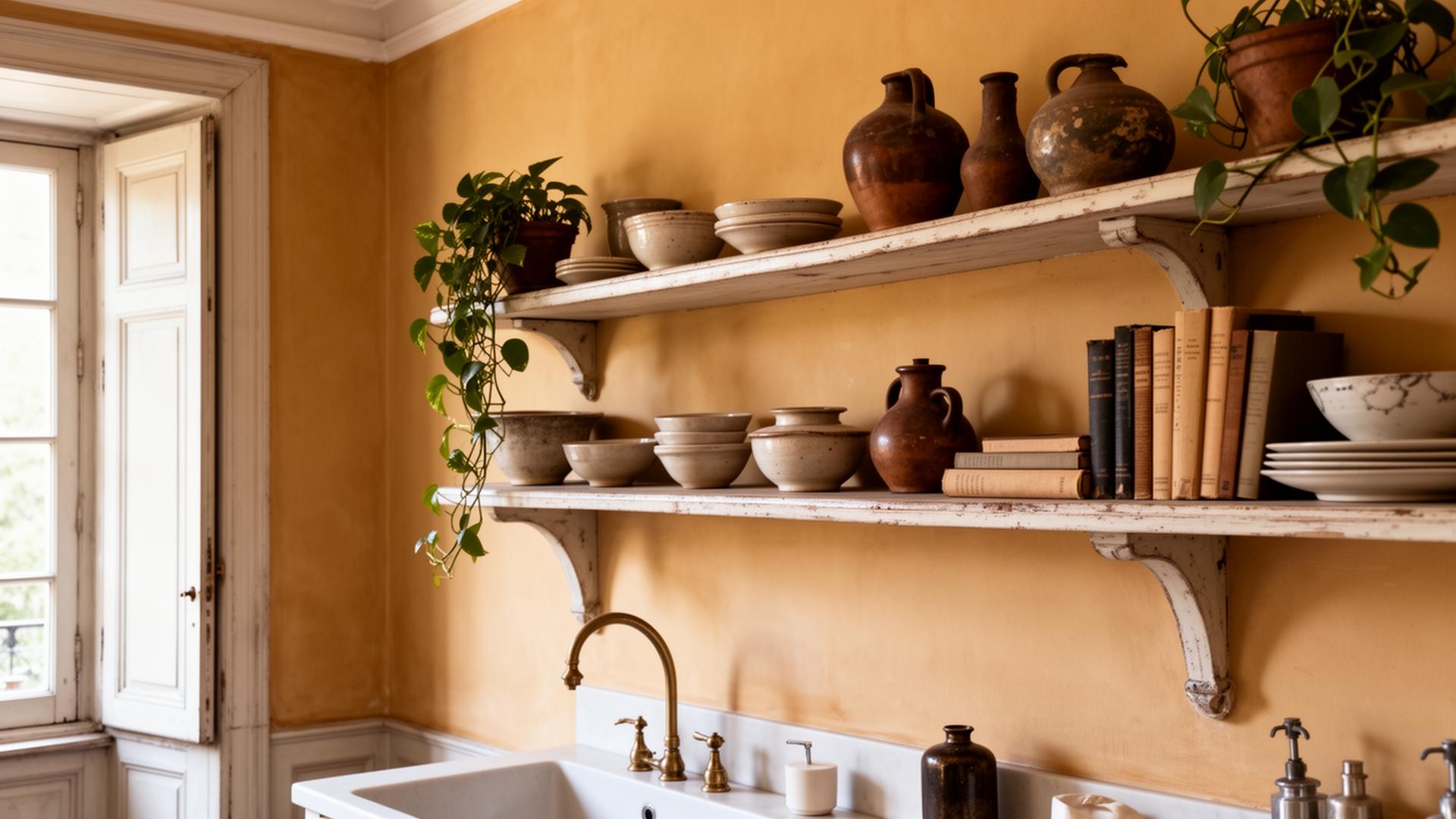
Wood and ceramics for soul: vintage bowls, turned wooden stools, ceramic vessels in irregular shapes.
-
Glass and mirror for light: small antique mirrors that bounce light around a dark corner, clear vessels that can hold anything from feathers to florals.
Even a minimal space benefits from tactile contrast. In period homes especially, this kind of layering feels right. It is a quiet nod to age, to hands, to time, and it stops a beautifully renovated room from feeling like a showroom.
A short word on lighting
Nothing finishes a room like the right light. Overhead lighting alone almost never flatters a space, no matter how good the fixture. Aim for at least three light sources at three different heights in every room: a pendant or wall light up high, a table lamp at eye level, a smaller lamp or candle low down. Warm bulbs around 2700K, on dimmers wherever possible. The room will start to feel finished the moment you switch off the main light and turn the lamps on.
Use what you already have, differently
Often you do not need to buy more. You need to look at what you already have with fresh eyes. Before any sourcing trip, I shop the house first.
-
That unused ceramic bowl? Perfect as a key drop in the hallway.
-
An inherited chair that never felt right downstairs? Try it in the bedroom corner with a small lamp.
-
A wine crate gathering dust? Flip it on its side for instant rustic shelving.
-
A stack of books from the spare room? Move them to the coffee table, lying flat, with a small object on top.
-
A jug you only use at Christmas? Use it weekly for foliage from the garden.
Styling is not about owning more things. It is about placing what you love in ways that feel thoughtful and intentional. The most striking rooms I have done have often involved buying almost nothing.
Favourite styling staples
A few things that work beautifully in project after project:
-
Books. Stack them everywhere, not just on shelves. Mix interiors titles with old novels and personal favourites. Lay some flat, stand others up, leave the odd one open on a side table.
-
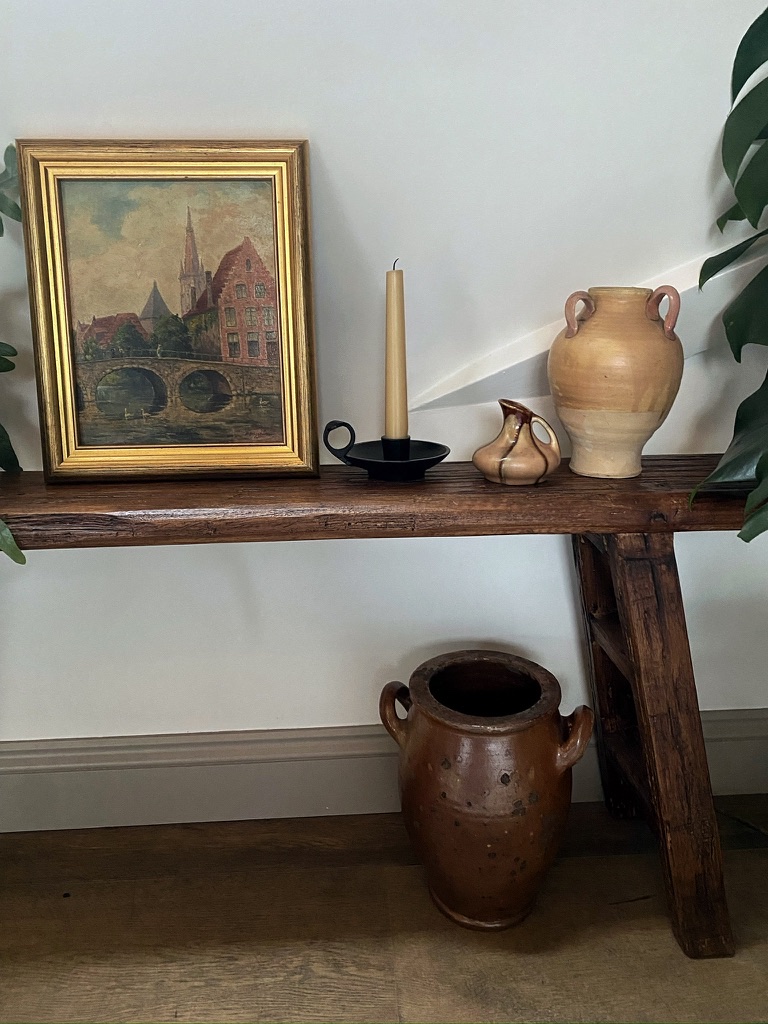
Candles. Tall and tapered for atmosphere, short and wide for casual cosiness. Always have unlit ones on display as well as lit ones in the evening.
-
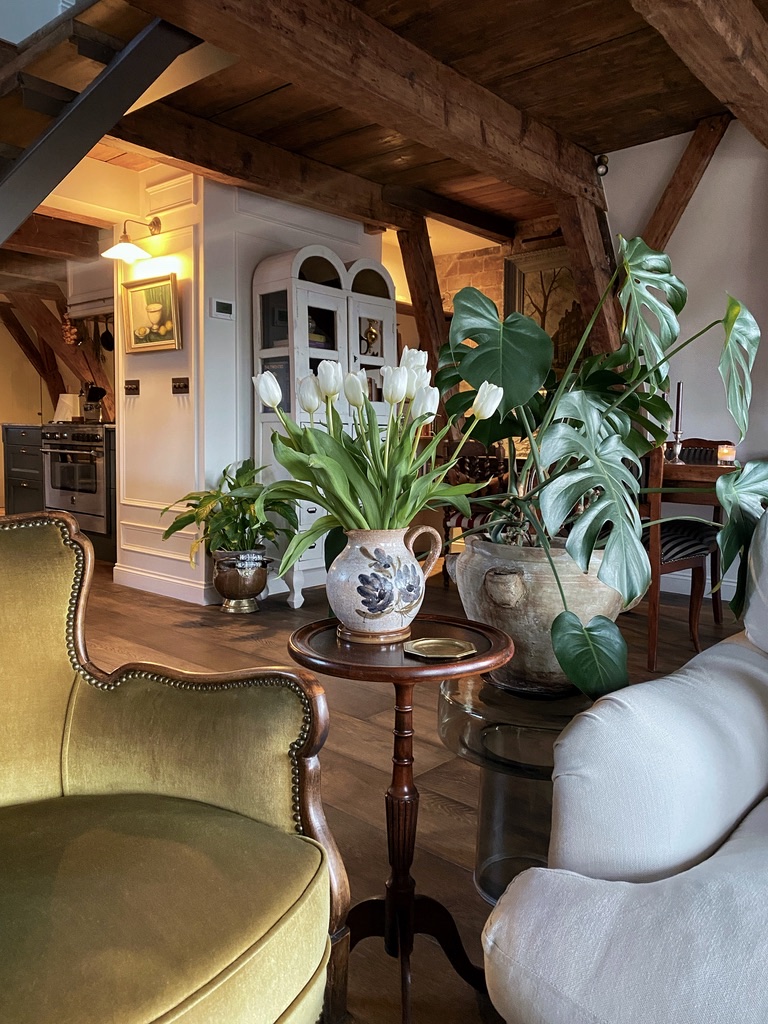
Fresh flowers or foliage. Always. Even a single stem in a bud vase transforms a room. Forage from the garden, the market, the side of a country lane. It does not need to be a florist arrangement to count.
-
Trays. The single best styling tool I know. They group objects together so they feel intentional rather than scattered. Use them on coffee tables, ottomans, kitchen counters, bedside tables.
-
Lampshades. Swapping a shade, pleated, gathered, card, linen, is one of the cheapest and most personality-changing edits you can make. A plain ceramic base with a beautiful pleated shade is half the work of a great room.
-
Artwork. It does not have to be expensive. Lean smaller pieces on shelves, layer prints behind objects, or group a gallery wall. The more personal, the better. Children's drawings framed alongside a 19th-century oil look better than either would alone.
-
Textiles. Throws over benches, patterned cushions on neutral sofas, a folded quilt at the end of the bed, a runner across a dining table even when no one is eating.
Edit, then edit again
The hardest part of styling is knowing when to stop. After you have placed everything, leave the room and come back in ten minutes. Take three things away. Live with it for a day. If you do not miss them, they were never meant to be there.
Negative space is part of the styling. An empty shelf, a clear surface, a wall without art, gives the eye somewhere to rest and makes the things you have chosen sing louder.
Styling is the part of the process that feels most human. It is not about trends, or perfection, or owning the "right" things. It is about layering your space with meaning. Move things around, take things away, add back slowly. The best homes are never finished. They evolve.