We tend to think of home transformation in terms of big projects: a new kitchen, a full renovation, a furniture overhaul. But after years of working on period homes, I have come to believe that the most satisfying changes are often the smallest. A different lampshade. A reworked bookshelf. A warmer bulb. A pair of brass handles in place of plastic ones.
These finishing gestures, simple, often inexpensive, are what give a room that elusive feeling of done. They are also where I send most clients first, particularly if they are renting, working with inherited interiors, or sitting in the in-between months of a larger project.
Here are the styling shifts I return to again and again. None of them require building work, and most can be tackled in a single weekend.
1. Swap Your Lampshades
Changing a shade is the fastest way to change the atmosphere of a room. The base can stay; the light it throws will be entirely different.
Try:
-
Pleated or gathered fabric for a softer, more romantic glow
-
Oversized shades for scale and a touch of drama
-
Paper or rice-paper shades for a sculptural, minimal look
-
Block-printed or patterned shades to add life to a plain ceramic or brass base
Pair the shade swap with a bulb swap. A 2700K warm-white bulb (or, better still, a 2200K vintage filament) makes far more difference than most people realise. Add a dimmer if the fitting allows. Mood lighting transforms a space faster than almost anything else.
2. Create a Surface Vignette
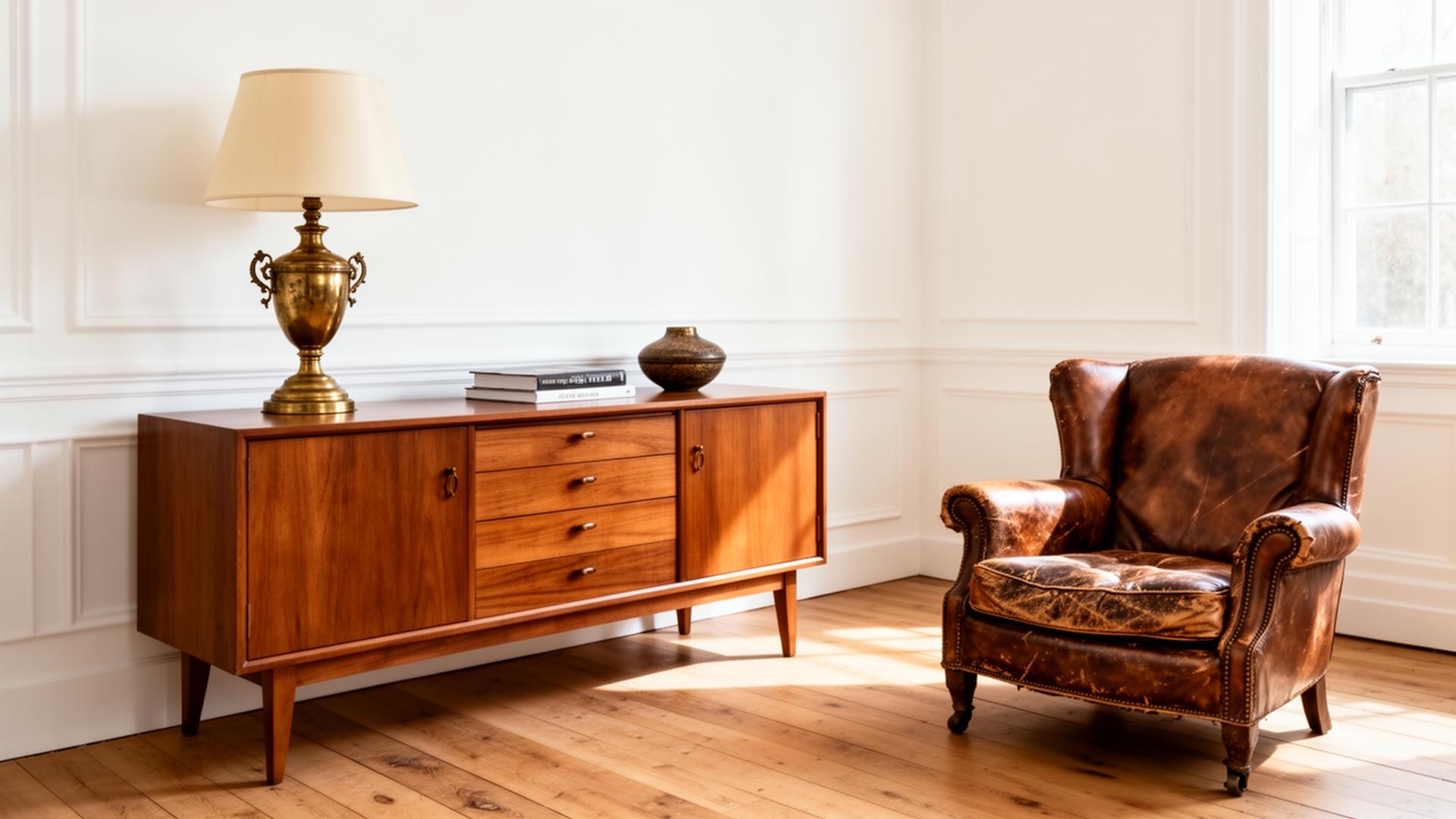
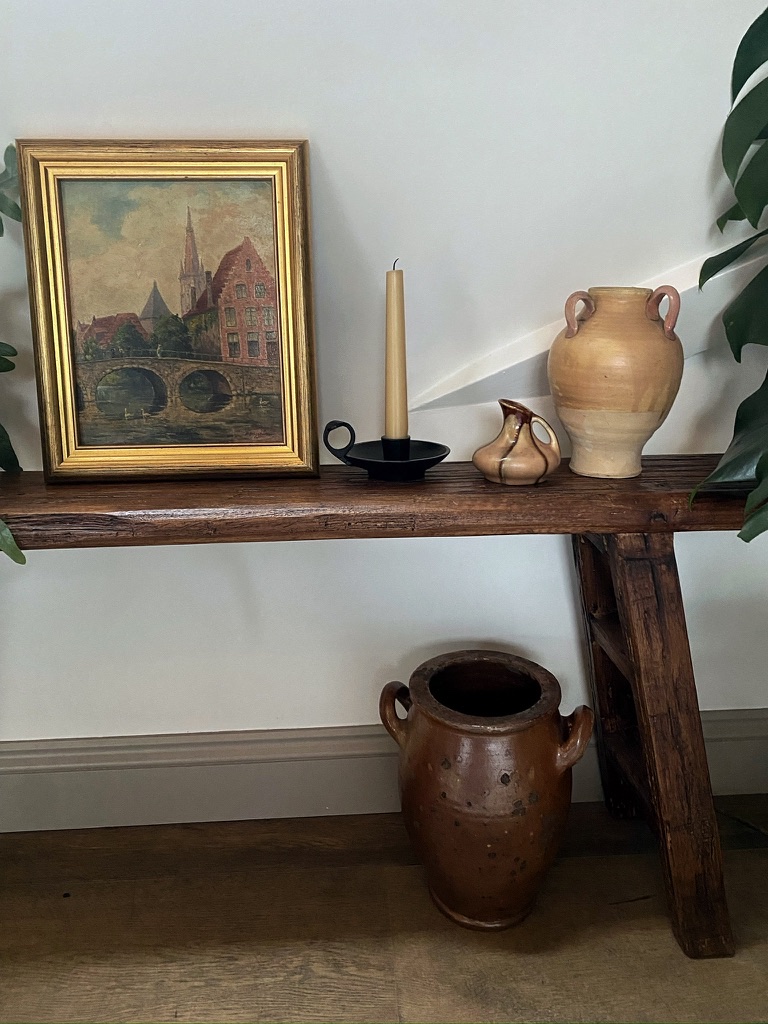
A console in the hallway, a chest in the bedroom, a sideboard in the living room: these flat surfaces are quiet opportunities. Styled well, they add warmth and focus. Left bare, they read as unfinished.
I think in threes:
-
Height: a lamp, a tall candle, a slim vase or stem
-
Shape: something sculptural, a bowl, a bust, a stack of books, a piece of pottery
-
Life: a flower, a foraged branch, or something personal you have collected
Group objects in odd numbers and vary the materials (wood, ceramic, glass, metal). It does not need to be perfect, just balanced. I shift mine around with the seasons and after every good flea-market find.
3. Rehang (or Lean) Your Art
Where and how you display art can refresh an entire wall without a single new purchase.
Try:
-
Rehanging a gallery wall in a tighter, denser configuration
-
Swapping frames, or mixing painted wood, gilded vintage and simple oak
-
Leaning larger pieces casually on shelves, mantels or above sideboards
-
Pairing prints with sculptural objects, mirrors or wall-mounted ceramics for depth
A useful rule: hang the centre of the work at roughly 145 to 150cm from the floor, slightly lower than most people instinctively place it. And remember that not everything has to be precious. Mix vintage finds, personal photographs and small pieces you love. They are what make a wall feel like yours.
4. Add Texture Underfoot
A rug anchors a room, softens the acoustics, and adds warmth in a way no other single object can. You do not have to spend a fortune.
-
Layer a vintage rug over sisal or jute for depth
-
Use a hallway runner to add softness and rhythm to a long passage
-
Move a rug from one room to another and you may find both feel new
-
If you are renting and cannot touch the floor, a generous rug can hide a lot of sins
Buy as large as your room will take. The most common mistake I see is a rug that floats in the middle of a sitting area, too small to anchor the furniture around it.
5. Change the Handles
Updating drawer pulls and cupboard knobs is one of the simplest interventions you can make, and the impact is genuinely disproportionate. A flat-pack chest with new handles starts to read as something considered. A tired kitchen looks newly thought through.
Try:
-
Aged brass or blackened bronze for warmth and patina
-
Porcelain or ceramic for a country or cottage feel
-
Leather pulls for a softer, more modern touch
-
Antique or salvaged hardware for instant character
Measure the existing screw centres carefully before you order, and keep the originals in a labelled bag in case you want to revert (especially useful if you are renting).
6. Rework Your Shelves
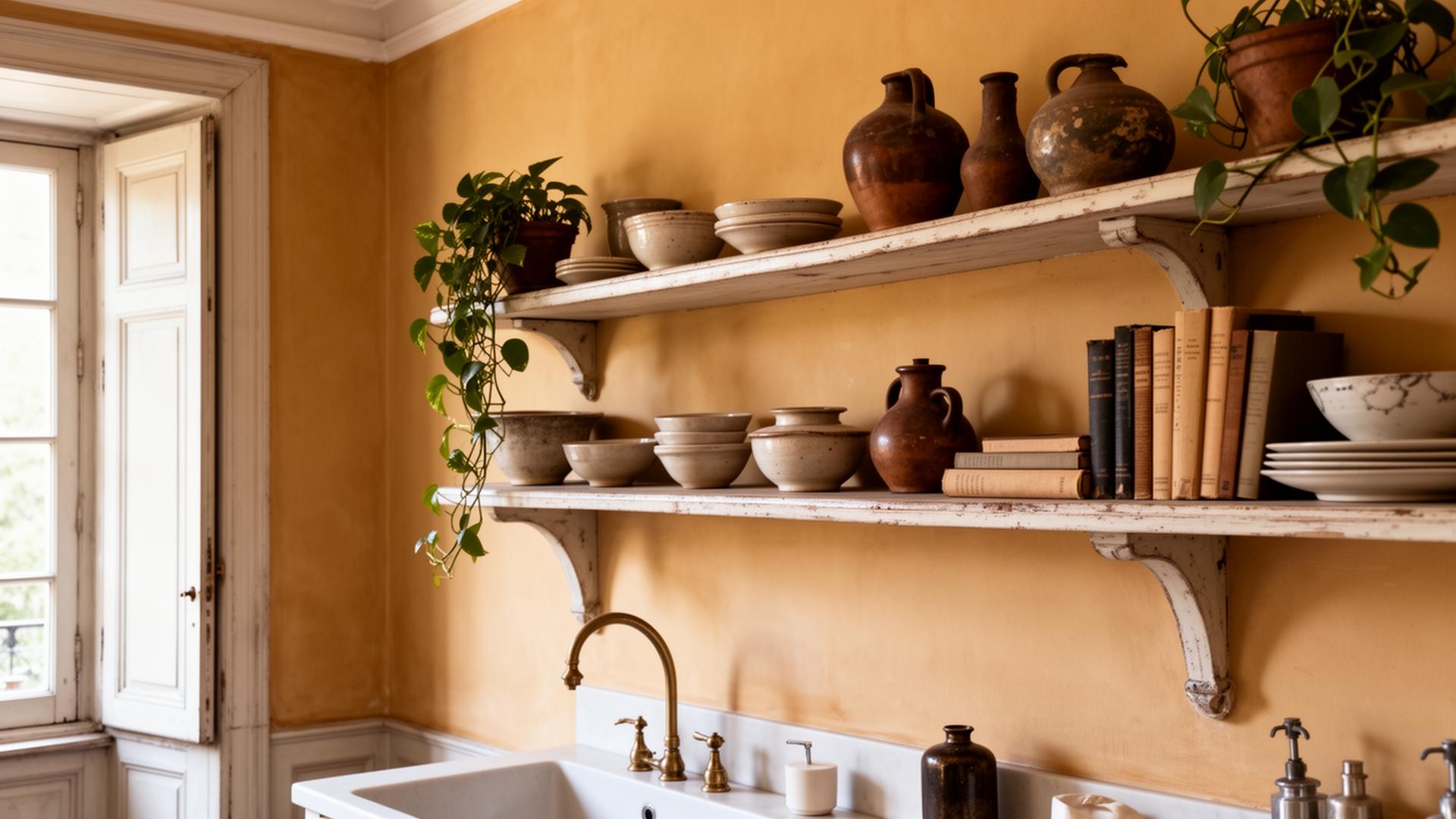
Bookshelves often slide into pure storage. Reworked, they become one of the most expressive surfaces in a room.
A few principles I rely on:
-
Group books by size, tone or subject rather than alphabetically
-
Intermix horizontal and vertical stacks so the eye has somewhere to rest
-
Slot small objects, framed pictures, ceramics, candlesticks, between the rows
-
Leave deliberate negative space; not every shelf needs to be full
It is about rhythm rather than perfection. Step back every few minutes as you work. Photograph the shelves on your phone; the camera flattens the composition and shows you instantly where the eye stalls.
7. Add One Unexpected Piece
Sometimes a room does not need editing so much as one small disruption. A single object that does not quite belong is often the thing that makes the rest feel deliberate.
Ideas to borrow:
-
A patterned shade on an otherwise plain ceramic base
-
A vintage wooden stool placed beside the bath
-
An antique mirror layered behind contemporary art
-
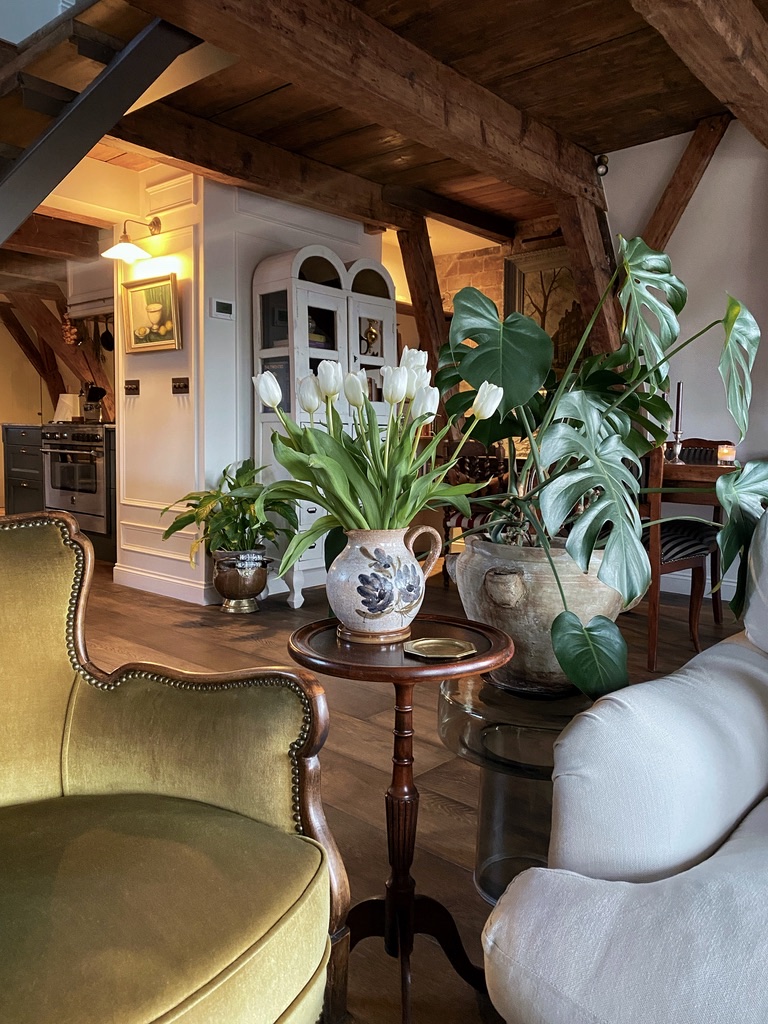
A coloured throw, kantha quilt or block-printed cushion in an otherwise tonal room
When something feels just slightly out of place, that is usually when a room starts to feel properly lived in.
A Note on Renting
Almost everything above is reversible, which makes these the changes I push hardest in rented homes. Lampshades unscrew. Handles can be swapped back. Rugs leave with you. Even the bulbs you replace can come too. None of this requires a landlord conversation, and all of it can travel to the next place.
Styling does not have to be precious or permanent. Small changes give you room to experiment, to shift, to grow into a space slowly. A beautiful home is rarely built in one sweep. It is built, quietly, in the details.