There is a reason people paint floors. It is not because they cannot afford new ones (though it is considerably cheaper). It is because a painted floor does something that stained or natural timber often cannot: it transforms a room completely, immediately, and with a confidence that feels deliberate rather than default.
In 2026, painted floors are everywhere, from design magazines to social media, from Farrow & Ball showrooms to Brooklyn brownstones. Designers have started calling the floor the "sixth wall", a surface with as much potential for colour, pattern, and personality as any other in the room. But this is not a new idea. It is a very old one, rediscovered.
A Brief History
Painted floors have been used in European homes for centuries. In Scandinavia, painted pine floors in soft greys, whites, and blues were standard in farmhouses and manor houses alike, partly for aesthetics and partly for protection. In Georgian and Regency England, floors were painted or stained as a matter of course, with fine rugs laid over them rather than wall-to-wall carpet.
In Dutch canal houses, original floorboards were frequently painted in deep, muted tones, charcoal, ox-blood, dark green, to complement the panelled walls and decorative plasterwork above. If you have ever pulled up carpet in a seventeenth- or eighteenth-century Amsterdam home, there is a good chance the boards underneath bear traces of old paint.
The practice fell out of fashion in the twentieth century as hardwood floors became aspirational in their own right and carpet became the default. Now it is coming full circle.
Why It Works in Older Homes
Period properties often have floorboards that are beautiful in character but imperfect in condition. After a century or two of use, they are likely to be uneven, patched, stained, or a patchwork of different timber types where boards have been replaced over the decades.
Sanding and oiling can work, but it tends to highlight every imperfection. Painting, by contrast, is forgiving. It unifies boards of different ages and species, hides old stains and filler, and creates a clean, cohesive surface that lets the texture and grain of the wood show through without the distractions.
It is also practical. A good floor paint is harder and more durable than wall paint, designed to withstand foot traffic, furniture, and daily life. Modern floor paints from brands like Farrow & Ball, Little Greene, and Painting the Past offer excellent coverage and durability, and they can be touched up easily, something that is much harder with a stained or oiled finish.
Choosing a Colour
The colour you choose depends on the room, the light, and the effect you want to create.
Pale tones: white, soft grey, stone These reflect light and make rooms feel larger and airier. They work particularly well in bedrooms, hallways, and smaller rooms where you want a sense of calm and space. The trade-off is that they show dirt and scuff marks more readily, so they suit rooms with lighter traffic or homes where a slightly lived-in look is part of the charm.
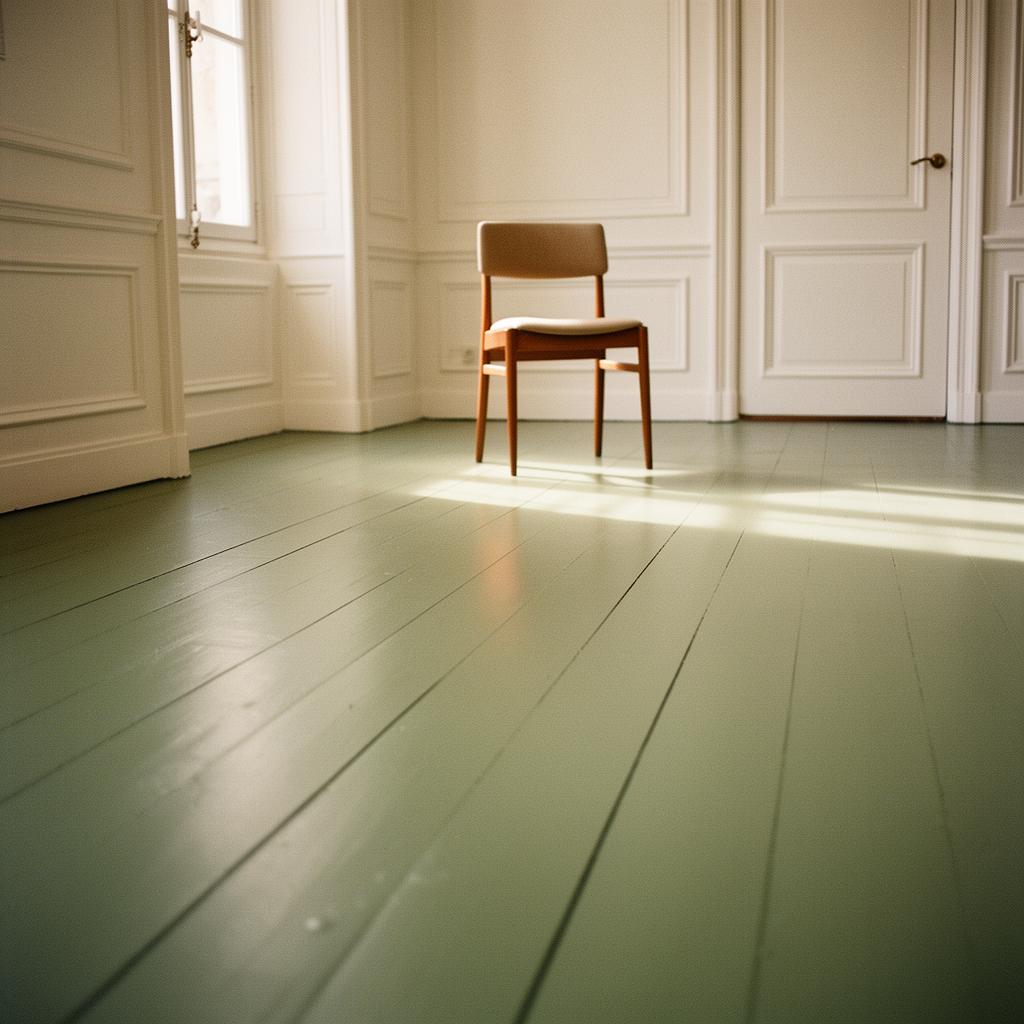
Deep tones: charcoal, navy, forest green, black Dark floors ground a room. They create depth, add drama, and provide a rich backdrop for furniture and rugs. They are surprisingly practical, as they show less dust and wear than pale floors. In a living room or dining room with high ceilings and generous light, a dark painted floor can be transformative.
Bold colour: terracotta, blue, ochre For the more adventurous. A single-colour painted floor in a confident shade can turn a small room into a jewel box. Think of a hallway in deep terracotta, or a bathroom floor in soft blue-green. These work best in smaller, contained spaces where the floor can be the main event.
Pattern and decoration:
A painted floor does not have to be a single colour. Some of the most striking examples use pattern to bring geometry, rhythm, and personality to a room. Here are the approaches worth considering:
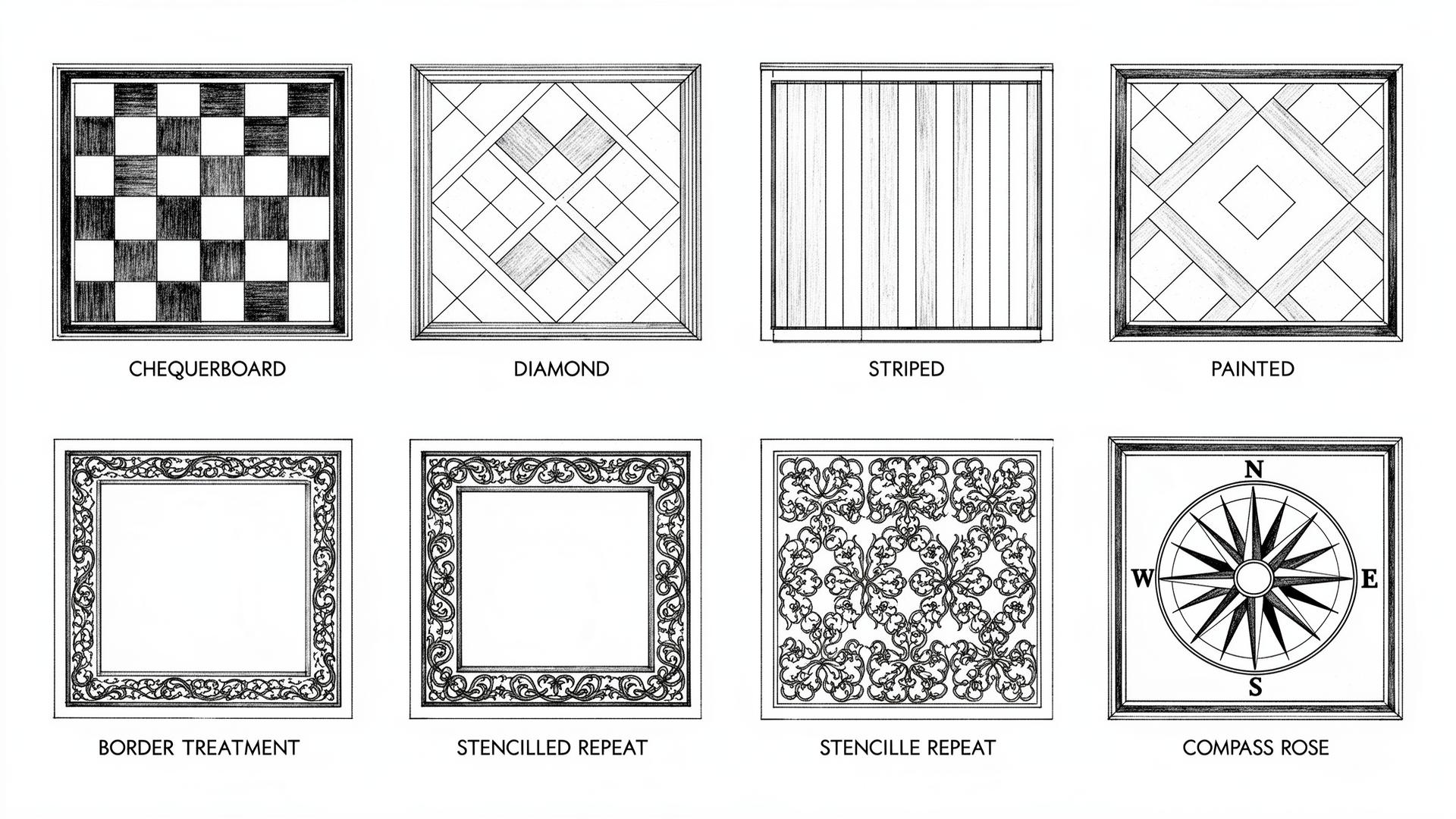
- Chequerboard: The classic, traditionally in black and white or two tones of the same colour. It has been used in European hallways and kitchens for centuries and adds immediate graphic interest. The proportions of the squares matter: larger squares suit generous rooms, while smaller ones work better in compact spaces
- Diamond: The same principle as a chequerboard but rotated 45 degrees, which creates a sense of movement and makes narrow rooms feel wider. Common in Scandinavian and Colonial American interiors
- Striped: Painted stripes running the length of a room elongate the space. Running them across the width makes it feel broader. Alternating two close tones rather than high-contrast colours keeps the effect sophisticated rather than playful
- Border treatment: A painted border around the perimeter of a room, with a plain or contrasting centre, frames the floor like a rug. This works particularly well in dining rooms and bedrooms where a central rug will sit on top, creating a layered effect
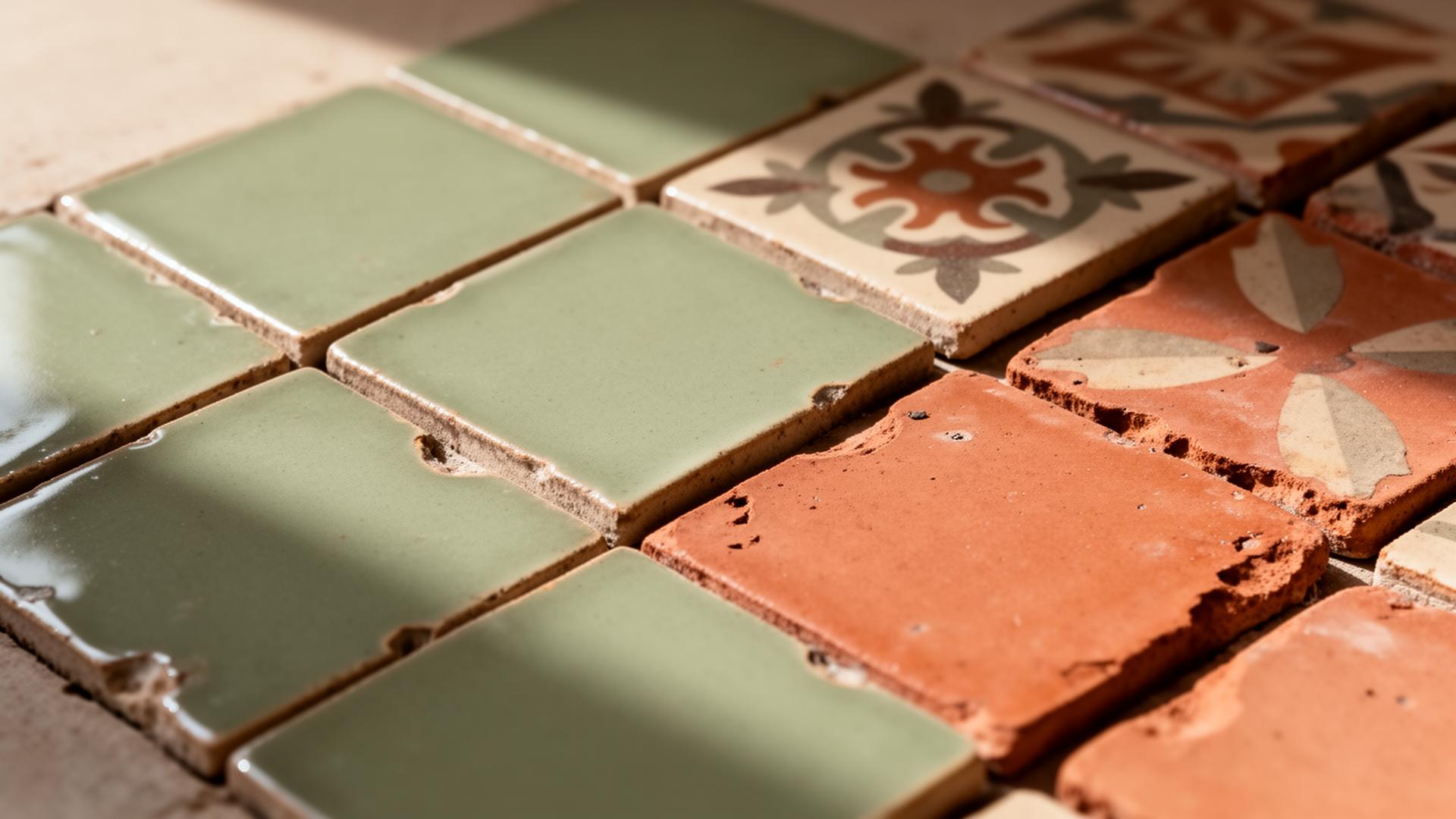
- Stencilled repeat: For those who want the richness of a patterned tile or encaustic floor without the cost or disruption. Stencils in Moorish, geometric, or floral motifs can be applied over a base colour and sealed. The effect is best when the contrast is subtle, tone-on-tone rather than high-contrast
- Compass rose or medallion: A central decorative motif, traditionally used in entrance halls and vestibules. It requires a confident hand (or a good stencil) but creates a genuine focal point. Best in square or symmetrical rooms where the motif can be centred properly
How to Do It Well
The preparation matters more than the paint.
Clean and sand: The floor needs to be clean, dry, and lightly sanded to give the paint something to grip. You do not need to sand back to bare wood, just enough to roughen the existing surface.
Prime: A good primer is essential, particularly on bare or previously varnished wood. It seals the timber and ensures even coverage.
Paint: Use a dedicated floor paint, not wall paint. Apply two to three thin coats, allowing each to dry fully before the next. Thin coats are more durable than thick ones.
Finish: A clear, matt or eggshell topcoat adds an extra layer of protection and makes the floor easier to clean. Some floor paints are self-sealing and do not require a separate topcoat, so check the manufacturer's guidance.
Cure: This is the step people rush. Most floor paints take several days to fully harden. Avoid heavy furniture and rugs for at least a week after the final coat. Walking in socks is fine after 24 hours.
Living With Painted Floors
Painted floors age beautifully. Over time, they develop a gentle patina, soft wear patterns in high-traffic areas, the occasional scuff that adds character rather than damage. This is part of their appeal. They are not precious. They do not demand the same anxiety as a freshly oiled hardwood floor or an expensive stone tile.
When they eventually need attention, they can be touched up or repainted entirely, a weekend project rather than a major renovation. It is one of the most reversible, affordable, and characterful changes you can make to a room.
If you are looking at tired, imperfect floorboards and wondering what to do with them, consider this: sometimes the best thing you can do with a floor is paint it.