Renovating a period home often means facing tough decisions. Do you restore those sloping floors, or start fresh? Keep the draughty windows, or replace with something efficient? There is no one-size-fits-all answer, but understanding what is typically worth saving (and what is not) will help you make decisions with confidence and care.
The key is knowing the difference between character and compromise. Some imperfections tell a story. Others just make daily life harder. This guide breaks it down, room by room, so you can approach each space with clarity.
Structural & Architectural Features
This is where your biggest decisions (and budgets) live. Structural elements define a period home's identity, so proceed with respect, but also with pragmatism.
Restore:
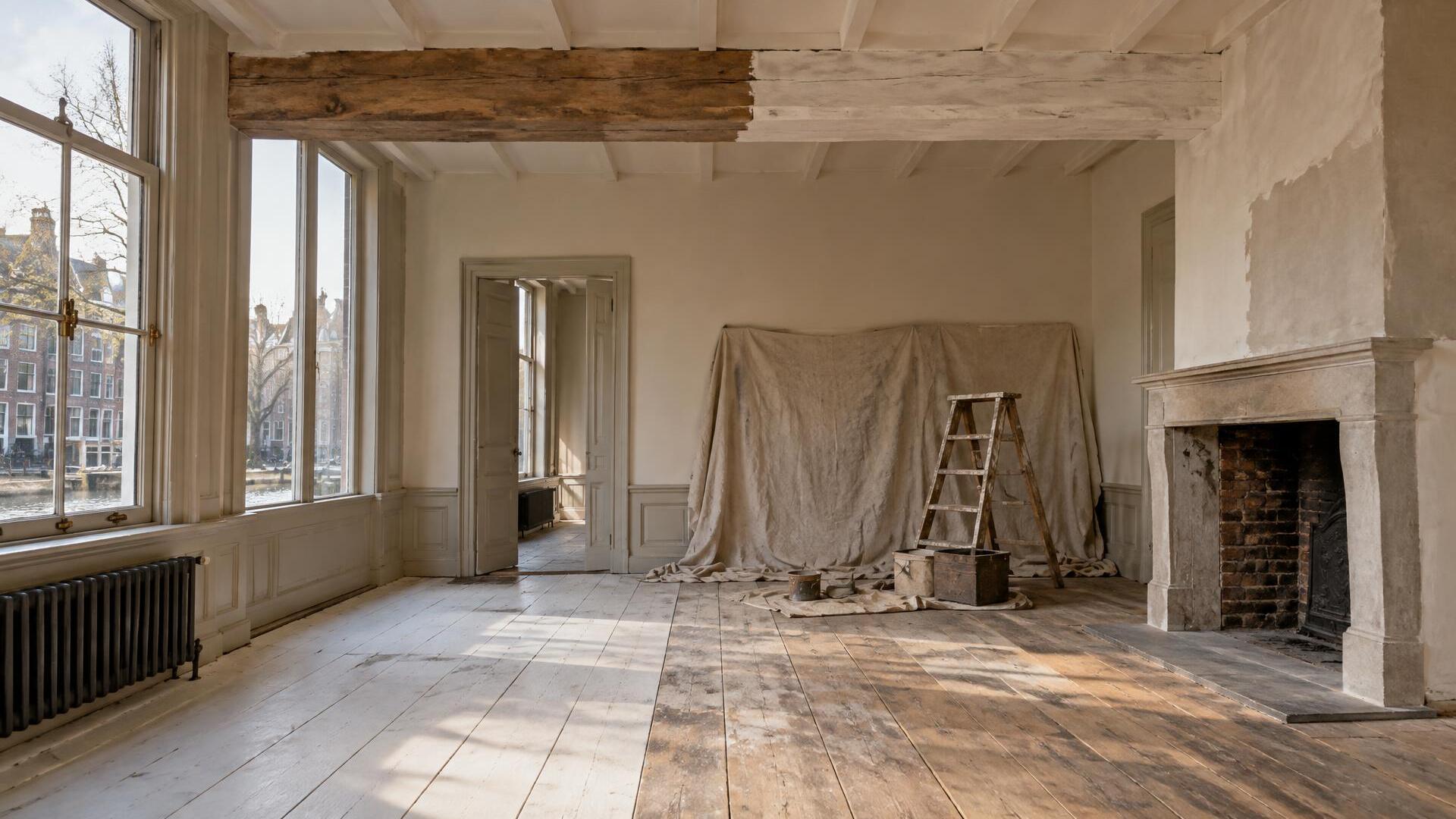
- Original wooden beams: strip and oil rather than painting over them. The grain and patina are irreplaceable
- Cast-iron fireplaces: even non-functional ones anchor a room. Have them professionally cleaned and blacked
- Solid wood flooring: sand, repair, and refinish. Old-growth timber is denser and more durable than most modern alternatives
- Original plasterwork, panelling, and mouldings: these details are expensive to replicate and impossible to fake convincingly
- Stone thresholds and steps: clean and seal rather than replacing
Replace:
- Unsafe wiring or outdated plumbing: no aesthetic argument outweighs safety
- Rotting floor joists or unstable beams: structural integrity is non-negotiable
- Poorly executed later additions such as false ceilings, awkward bulkheads, or unsympathetic extensions
- Windows, but only if beyond repair. In many cases, secondary glazing or draught-proofing is a better first step. Always check local regulations before altering or replacing original windows
Tip: If your home is listed or falls within a conservation area, alterations to original features may require consent. Check with your local authority before starting work.
Living Spaces
Living rooms and sitting rooms tend to retain the most original character. The goal here is usually refinement, not reinvention.
Restore:
- Original cornicing or ceiling roses: these can be carefully cleaned or repaired by a specialist plasterer
- Built-in joinery or alcove cabinets: sand, repaint, and update the hardware for a fresh look without losing the craftsmanship
- Period hardware such as latches, handles, and hooks: brass and iron pieces can be stripped and refinished
- Antique light fixtures: beautiful to keep, but always have them professionally rewired for safety
Replace:
- Bulky radiators: consider slimmer column radiators or heritage-style alternatives that complement the room's proportions
- Ill-fitting modern shelving that clashes with the architecture
- Damaged skirting or picture rails, but match the original profile when replacing. A joiner can mill new sections to match
A note on restraint: Before ripping anything out, try updating with soft furnishings, lighting, and layout changes first. Often the room just needs breathing space, not a blank canvas.
Kitchens
Kitchens are where period charm and modern function most often collide. The trick is finding harmony between the two.
Restore:
- Timber cabinetry with solid carcasses: these can be sanded, repainted, and refitted with new hinges and interiors. The bones are often better than anything you would buy new
- Butler sinks or stone worktops in good condition: if they are still structurally sound, they only get better with age
- Brass or ceramic hardware: small details that connect a kitchen to the rest of the home
Replace:
- Outdated layouts that no longer serve how you cook and live. A period home does not need a period kitchen layout
- Ageing appliances: opt for integrated or classically styled models that sit quietly alongside older elements
- Countertops that stain, chip, or have deteriorated beyond reasonable maintenance
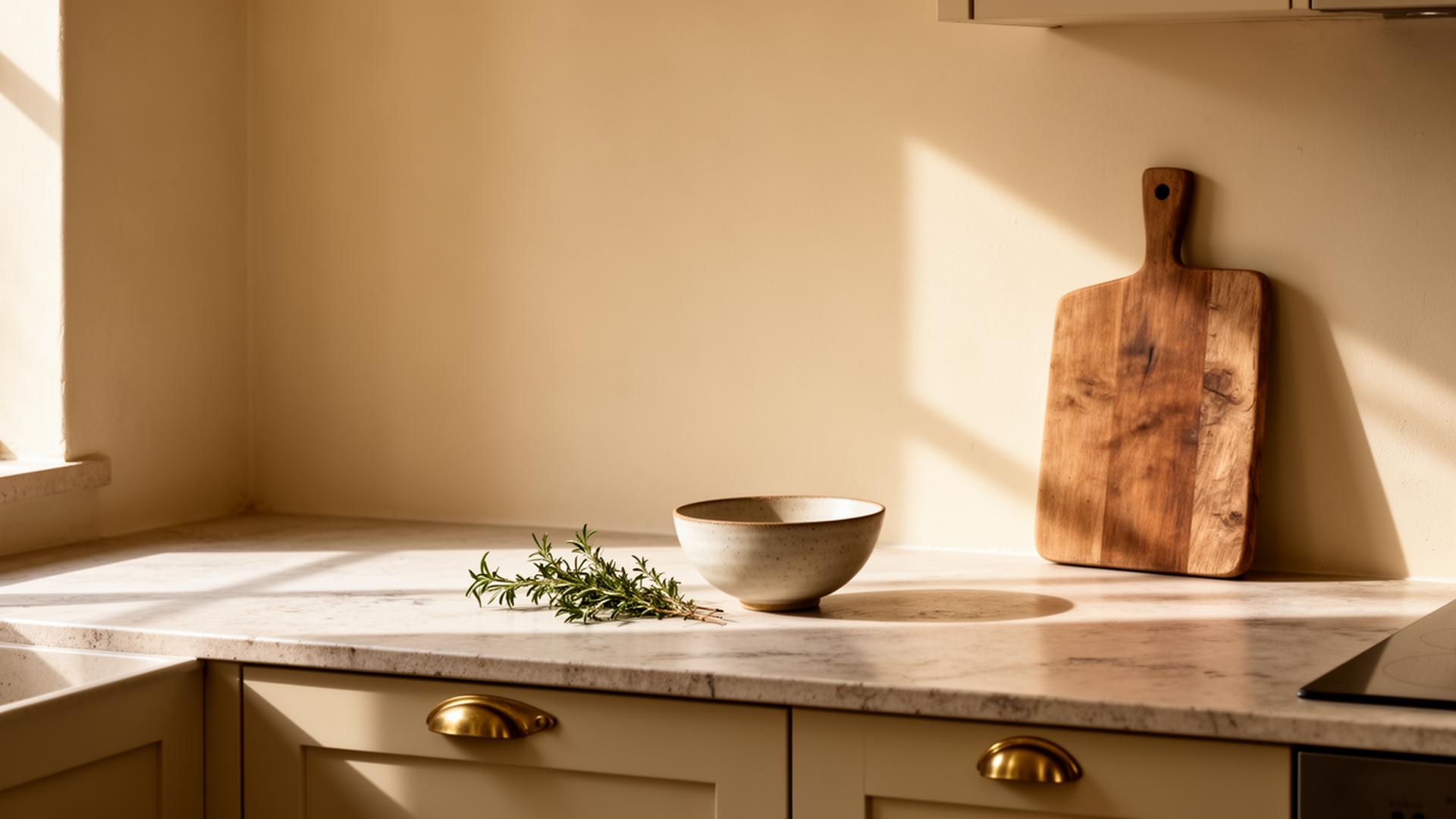
Approach: Marry old and new by upgrading surfaces and appliances while preserving the cabinetry's character. A well-painted frame with a new stone top can feel both timeless and completely functional.
Bathrooms
Bathrooms are practical spaces first, so prioritise comfort and safety, but do not underestimate how much character original fittings can bring.
Restore:
- Cast-iron roll-top baths: re-enamel if needed. They are heavy, beautiful, and built to last another century
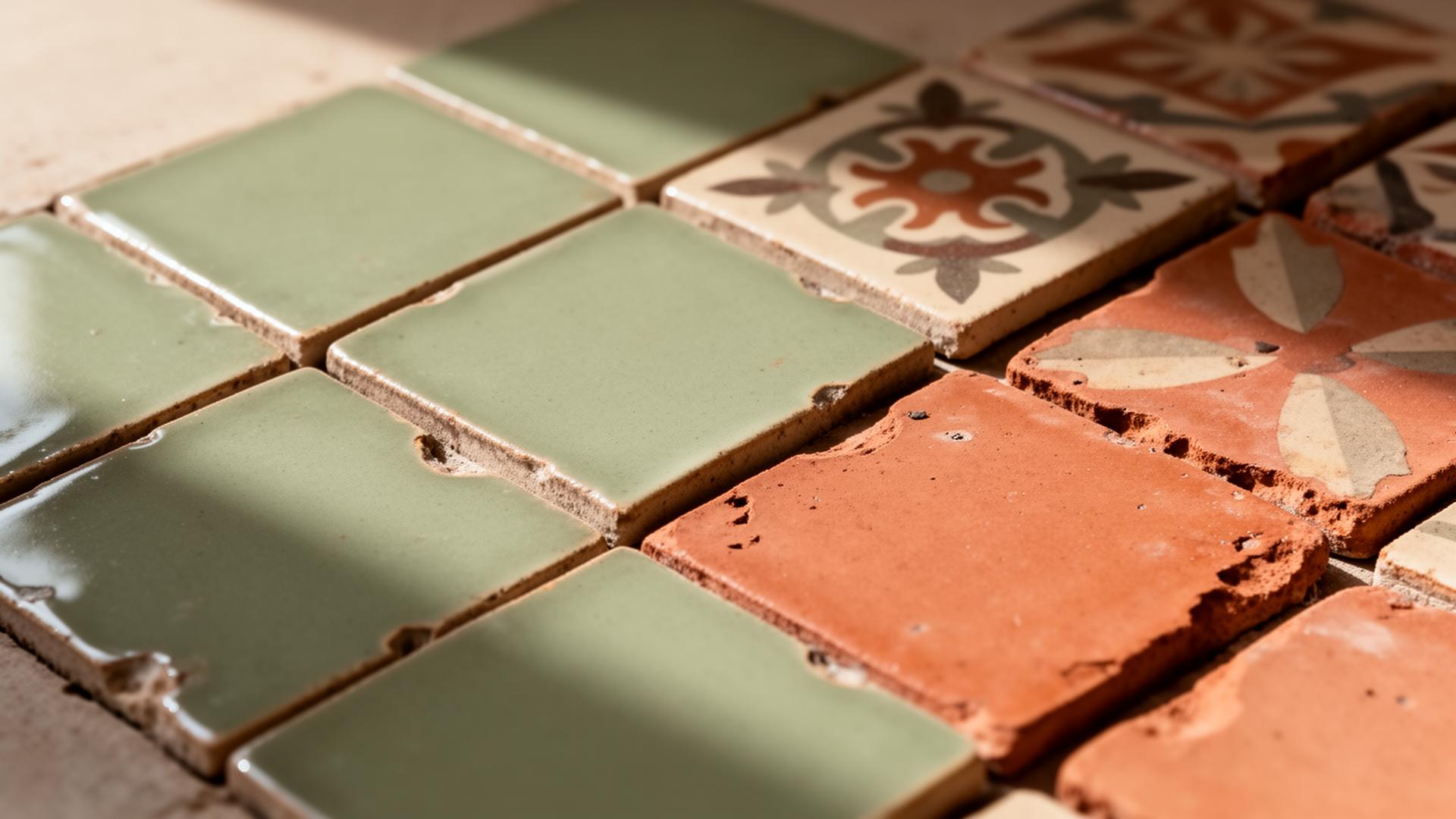
- Period tiling, particularly geometric or encaustic patterns, if still in good condition
- Sash windows: improve ventilation with trickle vents or extractor fans rather than replacing the window itself
Replace:
- Old plumbing or low-pressure systems: modern valves and pumps make a world of difference to daily comfort
- Flooring that becomes dangerously slippery when wet, such as polished marble (unless honed or textured)
- Fixtures that no longer meet safety standards, including outdated electrical fittings in wet zones
Material guidance: Quartzite, zellige, and tumbled marble strike a balance between beauty and performance. Living brass is lovely if you embrace patina; polished chrome suits those who prefer consistency.
Hallways & Staircases
First impressions matter, and in a period home, the hallway and staircase often set the tone for the entire house.
Restore:
- Original staircases, even if they creak. That sound is part of the house's personality
- Spindles, newel posts, and bannisters: strip, sand, and refinish or repaint in a colour that suits the home's palette
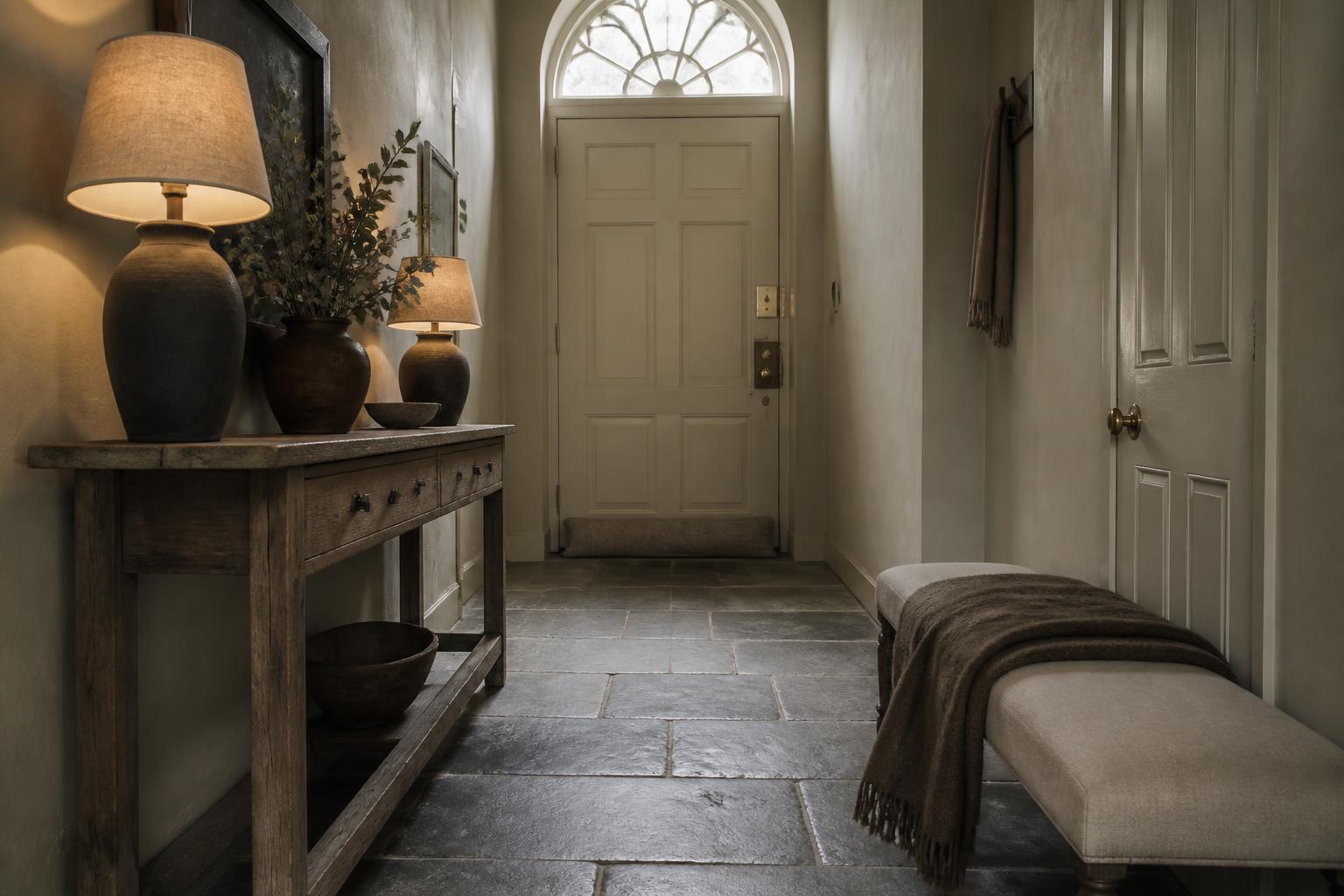
- Mosaic or encaustic floor tiles: professionally clean and reseal. Replacements are available from specialist suppliers if individual tiles are damaged
Replace:
- Safety hazards such as shallow treads, broken rails, or unstable banisters
- Unsympathetic later additions like vinyl flooring laid over original wood or tile
Enhance: A well-chosen runner rug and considered lighting can transform a hallway without touching the structure. Think pendant lights, picture lighting, or recessed spots on a dimmer.
Bedrooms
Bedrooms benefit from a gentler approach. Comfort is paramount, but period details create a sense of calm and permanence that new builds rarely achieve.
Restore:
- Original wardrobes or cupboards: repurpose with updated interiors, better lighting, and modern organisational inserts
- Fireplace surrounds, even if no longer in use. They provide a natural focal point and architectural rhythm
- Wood panelling or exposed brick, properly sealed to prevent dust and moisture issues
Replace:
- Draughty windows: double glazing or secondary glazing, depending on listing status. This single upgrade often has the biggest impact on comfort and energy efficiency
- Poorly fitted modern built-ins that waste space or feel out of proportion with the room
Storage tip: If you are adding new wardrobes, echo the period's proportions and materials. Floor-to-ceiling joinery with panelled doors will always look more considered than off-the-shelf flat-pack.
Outdoor Spaces & Facades
Do not forget the exterior. The front of a period home contributes to the streetscape and is often subject to planning restrictions.
Restore:
- Original front doors: strip, repair, and repaint. A solid timber door with proper ironmongery is always worth saving
- Decorative stonework, lintels, and corbels
- Period railings and gates
Replace:
- Failing render or pointing: use lime mortar, not cement, on older masonry
- Guttering and downpipes in poor condition: cast-iron replacements are ideal, but aluminium alternatives now offer a convincing profile at lower cost
Restoration adds depth, charm, and longevity, but smart replacements make daily life easier. Use your home's period as a guide, but let your lifestyle lead the way. Honour what is worth keeping, and do not be afraid to upgrade where it counts.
The best houses are the ones that evolve while still remembering where they began.