After thirteen years of assessing products for a living and then turning that same eye on interiors, the way I see a room is no longer something I can switch off. It is automatic. I walk in and within seconds I have registered the light, the proportions, the materials, and the things that are working against each other. It is not a judgement. It is closer to a reflex, the same instinct that once told me whether a garment on a hanger would sell or sit on the rail.
I thought it might be useful to share what actually goes through my mind. Not as a checklist, but as a way of explaining how a trained eye works, and why it matters when you are making decisions about your own home.
Light First, Always
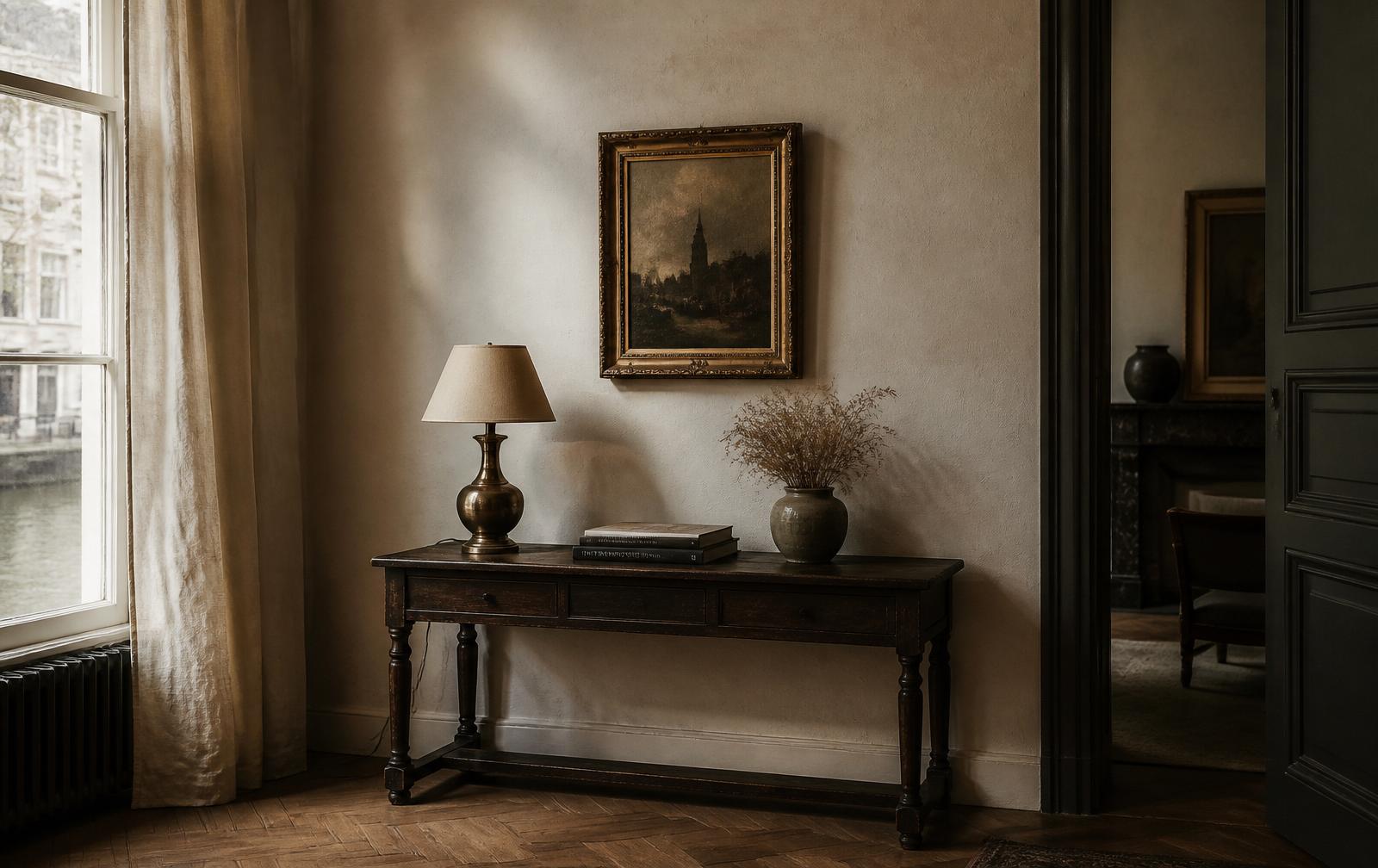
The first thing I notice is the light. Not just whether a room is bright or dark, but the quality of it: where it enters, how it moves through the day, and what it falls on. Northern light is cool and consistent. Southern light is warm and dramatic. A room that faces east will feel entirely different in the morning than it does in the afternoon.
Light determines almost every other decision. Paint colours that look warm in a showroom can read cold in a north-facing room. A dark wall that feels moody and enveloping in a well-lit space can feel oppressive in a room with a single small window. I have seen people repaint rooms three or four times because they chose a colour in the wrong light. It is the most common and most avoidable mistake in interiors.
Proportion and Scale
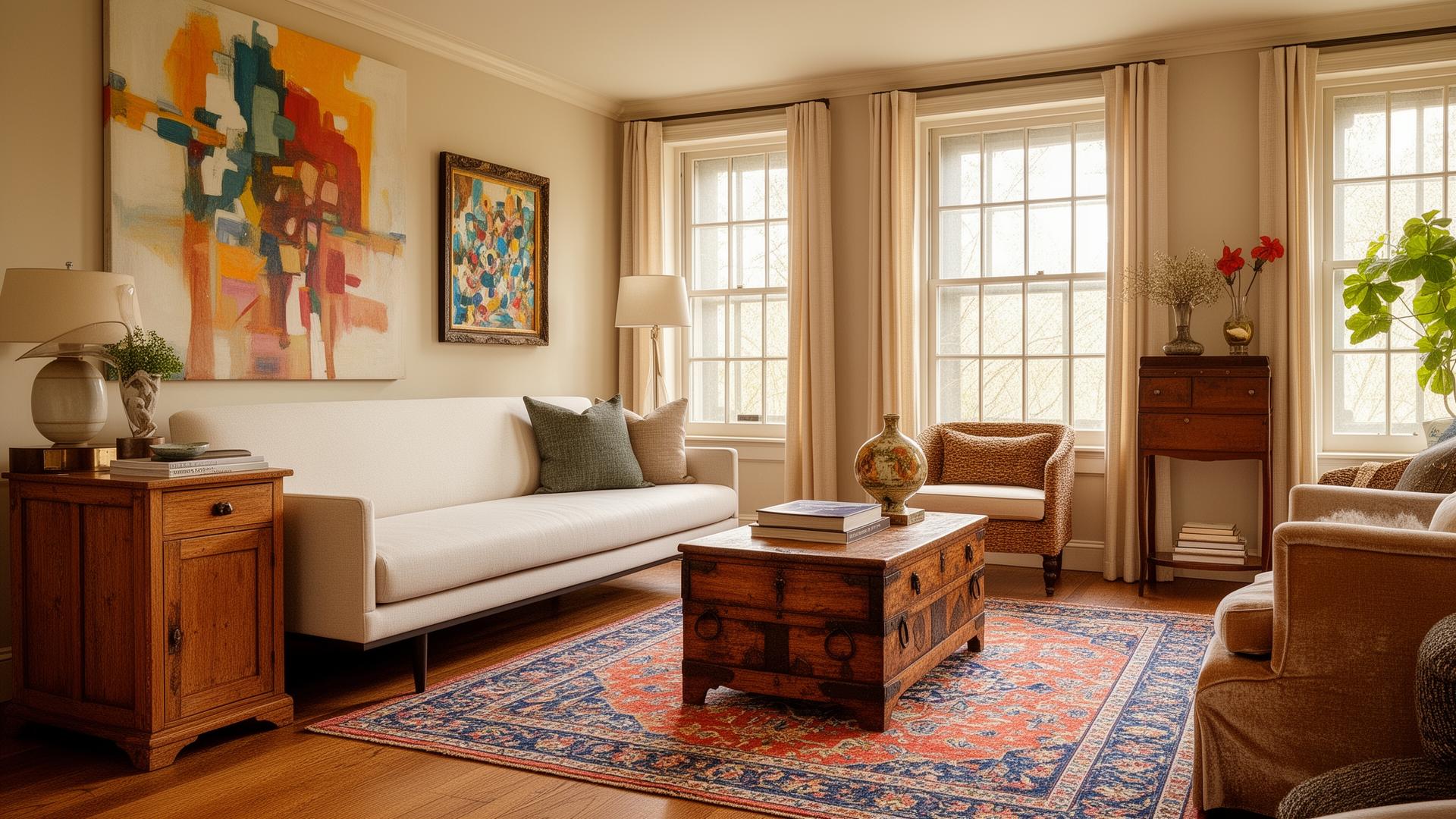
The second thing I read is proportion. Is the furniture the right scale for the room? Is the rug large enough to anchor the seating area? Is the artwork hung at the right height, or is it floating awkwardly above the sofa with too much wall above and below?
Scale mistakes are subtle but they unsettle a room. A sofa that is too large makes the space feel cramped. One that is too small makes it feel unfinished. A dining table that is too narrow for the chairs around it creates a sense of crowding even in a generous room. These are not aesthetic preferences. They are spatial relationships, and getting them right is what makes a room feel comfortable without anyone being able to explain exactly why.
What Is Working Against the Room
Every room has something working against it. It might be a radiator in an awkward position, a ceiling that is too low, a doorway that disrupts the natural flow, or a window that is too small for the wall it sits in. These are the constraints, and acknowledging them honestly is the first step toward a good design.
I often find that the things people dislike most about their rooms are things that can be addressed without structural work. A low ceiling feels higher with the right paint treatment. A dark corner feels lighter with a well-placed mirror or a change in the flooring tone. An awkward alcove becomes an asset when fitted with shelving or a reading niche. The instinct to fight the architecture is understandable, but working with it is almost always more effective.
The Layer Test
I look for layers. A room that feels finished but cold usually lacks them. Layering is what separates a furnished room from a lived-in one: a throw on the arm of a chair, cushions that are not perfectly matched, a stack of books on a side table, a rug over a hard floor.
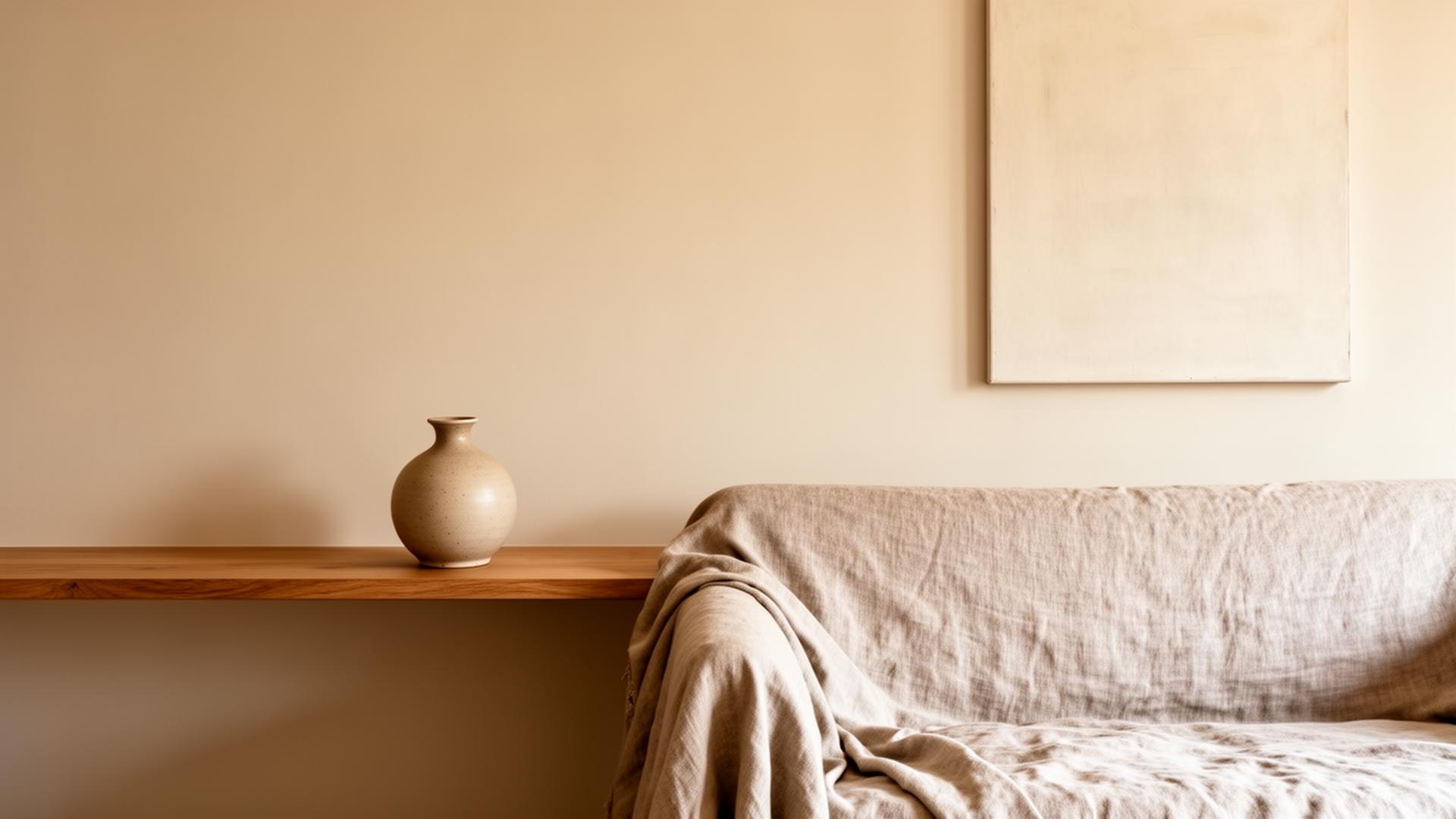
This is where my buying background shows most clearly. In fashion, a well-styled outfit is never a single item. It is the combination of textures, tones, and proportions that makes it work. The same is true of a room. A linen sofa, a wool throw, a cotton cushion, a ceramic lamp: the variation in material is what creates warmth and interest. Too much of the same fabric or finish and the room falls flat.
Colour Temperature
I pay close attention to colour temperature, the balance between warm and cool tones in a space. A room painted in a warm cream with cool grey furniture and chrome fittings will feel disjointed. The elements are individually fine, but the temperature clash creates a subtle tension that makes the space feel uncomfortable.
Consistency does not mean everything has to be the same colour. It means the undertones need to sit in the same family. Warm whites with warm metals. Cool greys with brushed nickel or pewter. A room that reads as coherent, where nothing jars, is almost always a room where the colour temperature has been considered, even if subconsciously.
The Honest Assessment
When I walk into a client's home for the first time, I am not looking for what is wrong. I am looking for what the room is trying to be and what is stopping it from getting there. Sometimes it is a single piece of furniture that is the wrong scale. Sometimes it is a lighting plan that relies entirely on a central pendant. Sometimes it is a colour choice that fights the natural light.
These are not failures. They are the kinds of decisions that are almost impossible to get right without experience, because they depend on relationships between elements rather than individual choices. A paint colour is never right or wrong in isolation. It is right or wrong in the context of the light, the floor, the furniture, and the room's proportions.
That is what a trained eye offers. Not taste, which is personal and subjective, but the ability to see how things relate to each other and to identify, quickly and specifically, what needs to change. It is the skill I spent thirteen years developing in fashion, and it is the skill I bring to every home I work on now.
If you are curious about what a fresh pair of eyes might reveal in your own home, a consultation is a good place to start.