The trend coverage for this year has been unusually unanimous. After a decade of grey, and then several years of warm white and cream, the forecasters have all arrived at the same place: brown. Chocolate, tobacco, chestnut, coffee. The palette is being described as maximalist warmth, a reaction against the pared-back neutrality that has dominated interiors for years.
When every forecaster agrees, the useful question is not whether the trend is real but what kind of trend it is. Some colour stories are a season's fashion, applied to paint and forgotten in three years. Others are the visible edge of a slower shift in materials and taste. Reading which one you are looking at is a buyer's skill, and it is worth applying here before anyone reaches for a paint chart.
Reading the Shift
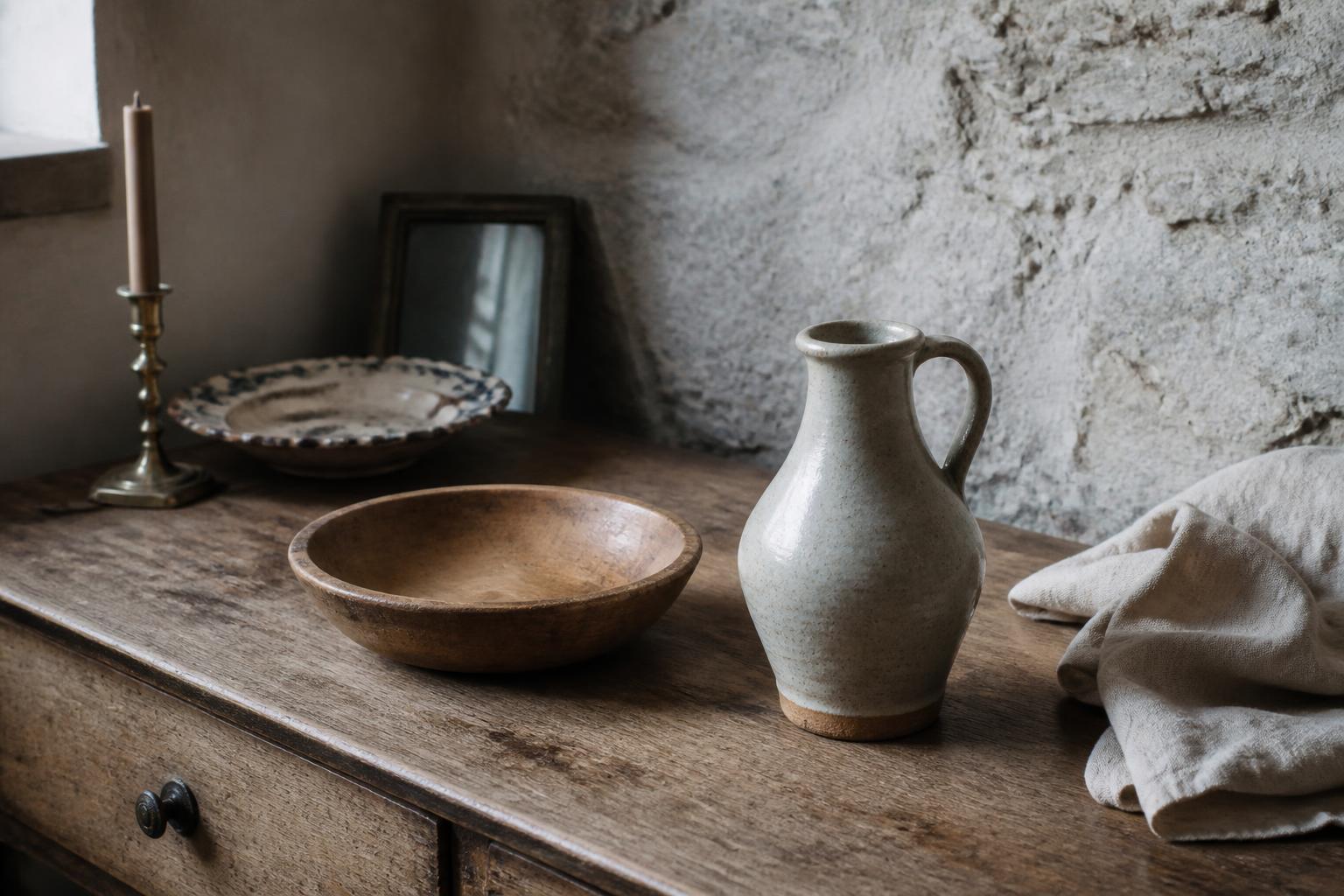
My read is that this one is both. The paint-chart version, walls in deep chocolate, is the fashion layer: real, attractive, and likely to date in the way that all strongly coloured decades date. But underneath it is something more durable. Brown is not just a colour. It is the colour of materials that interiors quietly abandoned during the grey years: walnut and teak, aged leather, dark oak, unglazed clay, tobacco-toned wool. The return of brown is partly the return of those materials, and materials do not go out of fashion the way paint does.
This distinction matters because it changes what you buy. A trend you respond to with paint is a three-year commitment. A trend you respond to with materials is a thirty-year one.
Where Brown Already Lives
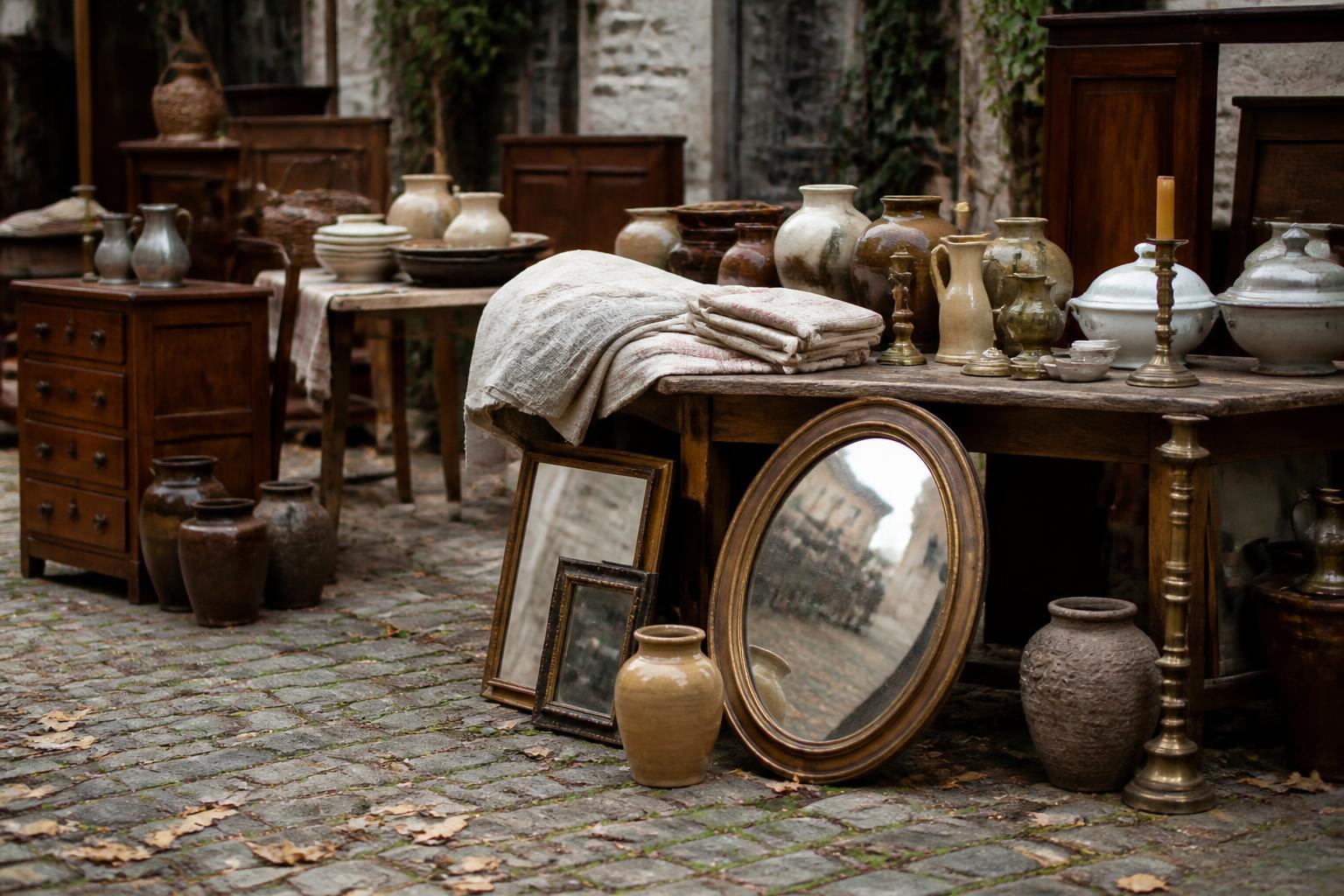
The happy consequence of the grey decade is that the second-hand market is full of brown, and it has been cheap for years. Teak sideboards, walnut tables, leather armchairs, dark oak linen presses: the furniture of the mid-century and earlier is overwhelmingly brown, and it has been undervalued precisely because it fell out of fashion. The trend cycle turning means that material is about to be repriced. Some of it already has been.
This is the buyer's argument for acting on materials rather than paint. A walnut sideboard bought now is not a bet on a trend. It is a good object that happens to align with one. If brown fades from the forecasts in 2029, the sideboard remains a sideboard. The chocolate feature wall requires a repaint.
Bringing It In, Quietly
If your house is currently pale and warm-neutral, you do not need to repaint anything to join this season. Brown enters a room best in layers, and the layers are mostly things you would buy anyway.
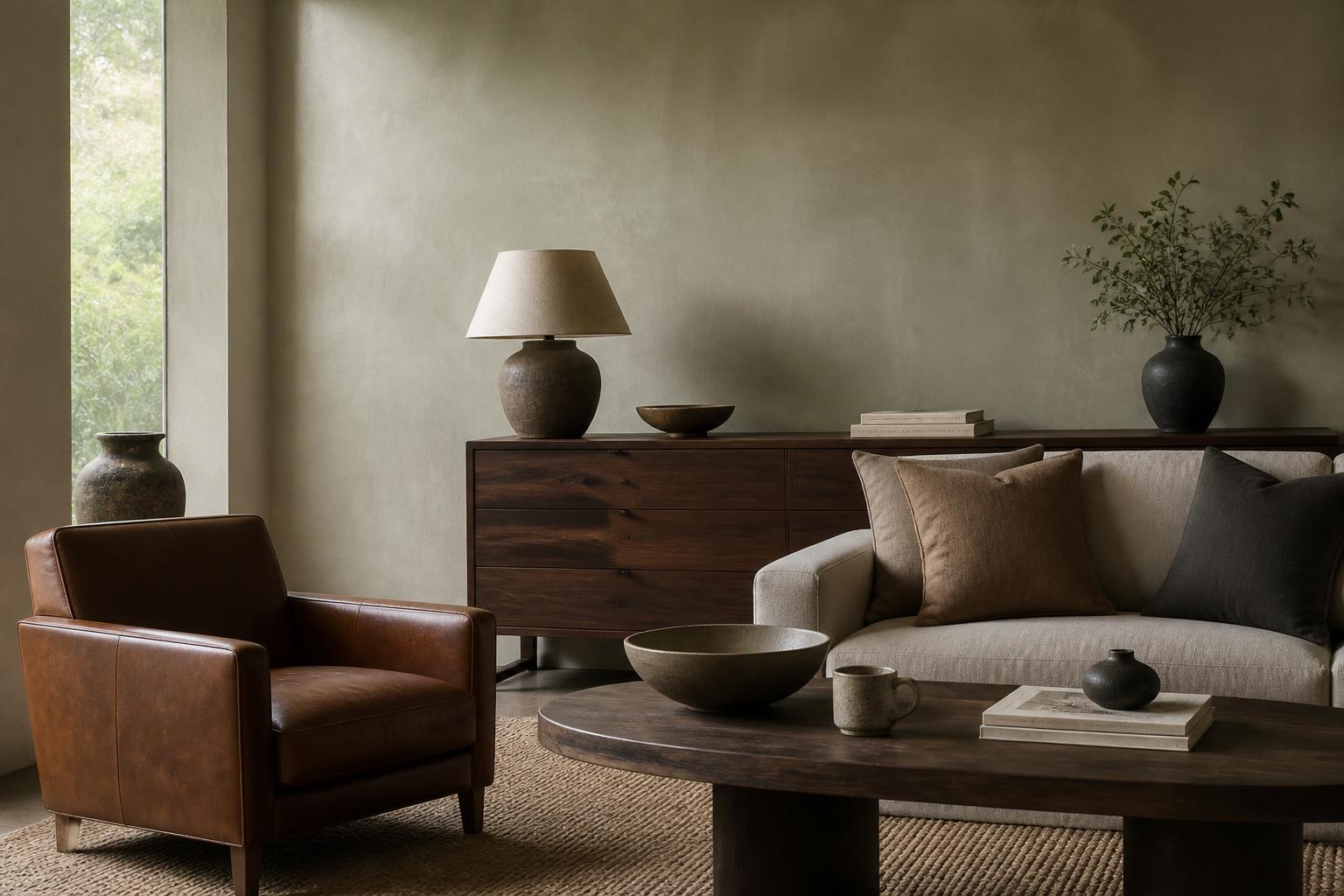
Start with one piece of dark timber. A coffee table, a lamp table, a frame. Against cream walls and linen upholstery, dark wood does not darken a room; it anchors it. Then add leather, which wears toward brown even when it does not start there, and textiles in tobacco, rust and ochre rather than chocolate, because mid-tones sit more comfortably with a pale room than very dark ones. Lampshades are an underrated carrier: a brown or parchment shade warms the light itself, which is half of what a winter room needs.
The principle is the same one that governs colour generally. Brown should arrive in the room the way it arrives in nature: in wood, in leather, in clay, in the things that are brown because of what they are made of.
What I Would Avoid
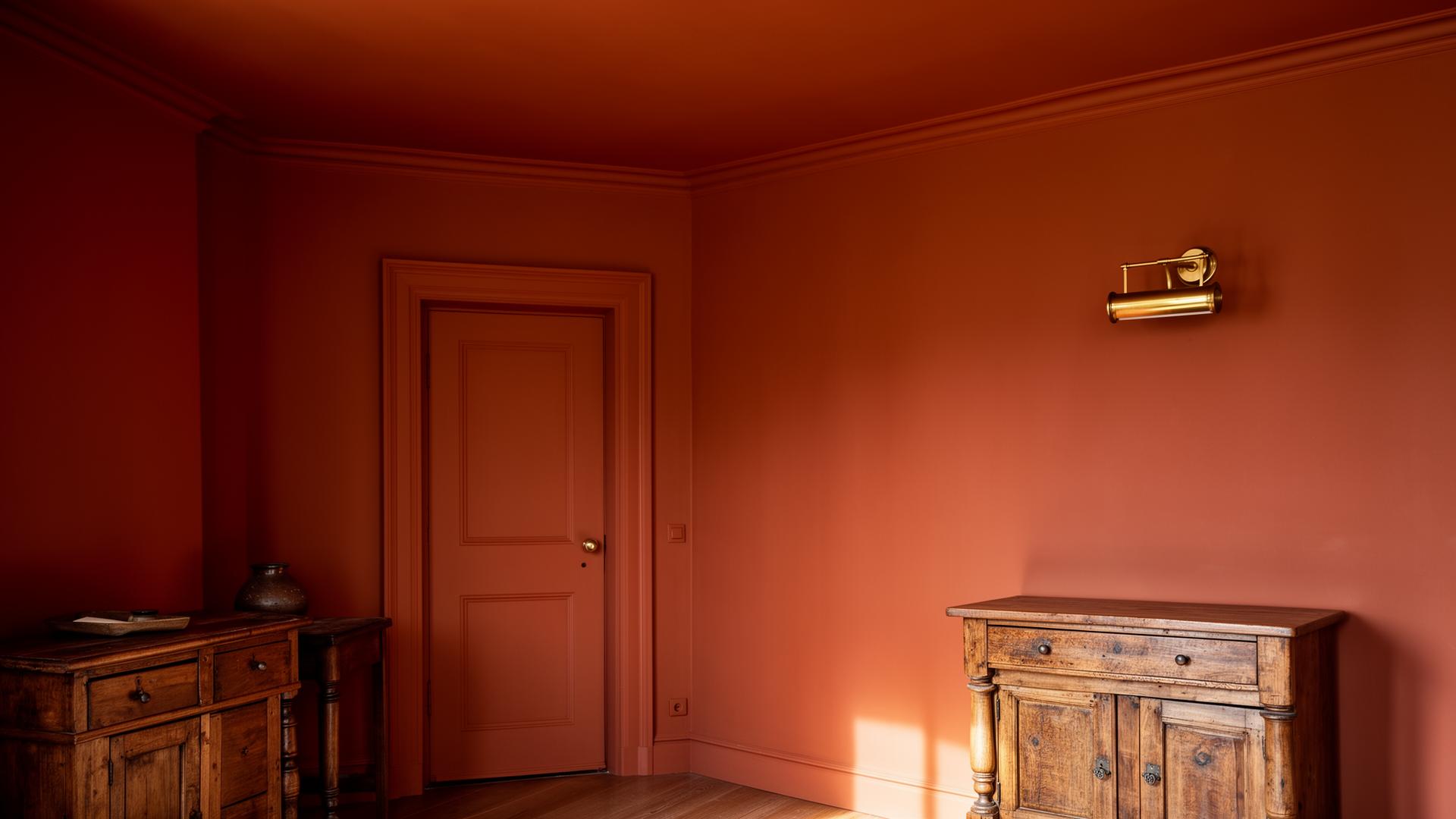
Two things. The first is the full commitment: walls, ceiling and woodwork in deep brown because the coverage said so. Colour drenching is a real technique and a beautiful one in the right room, but the right room for chocolate brown is rarer than the trend suggests, and a north-facing sitting room in the Netherlands is rarely it. The second is new furniture manufactured to the trend: brown-stained pieces built quickly to catch a moment. They will look dated first and wear worst, which is the worst combination furniture can offer.
If you want the maximalist warmth the forecasters describe, you will find more of it in one good old piece than in five new ones.
The Longevity Test
Every colour decision I make now gets the same question: is this a material or a moment? Materials age into a house and improve with it. Moments arrive loudly and leave quietly, taking your money with them. Warm brown, unusually, is available in both forms. Choose the form that is still in the room in twenty years, and enjoy the trend for what it is: permission to buy the walnut sideboard you were probably going to love anyway.