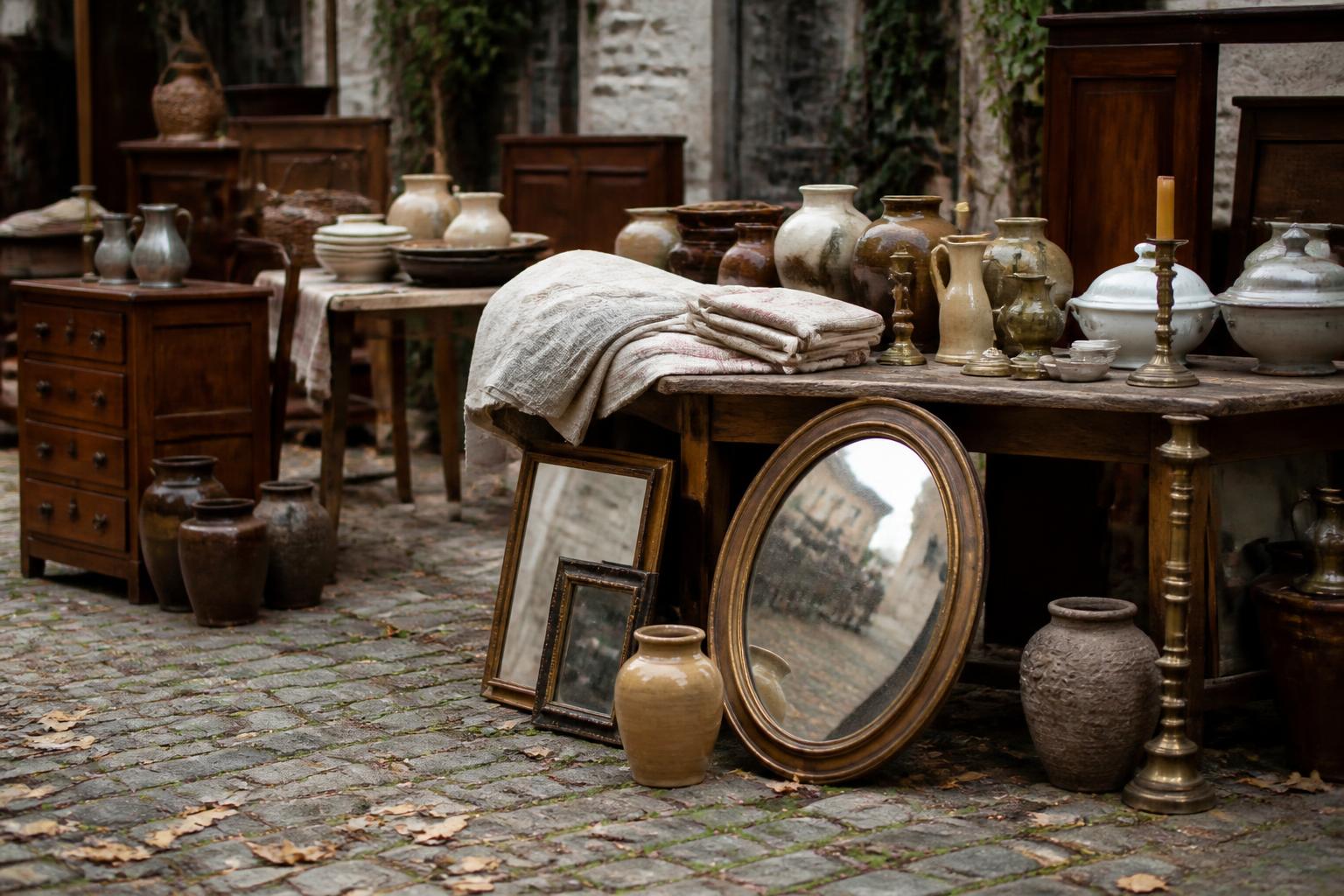
The piece you have just found at a brocante in Provence is only half the story. The other half, the part that decides whether it ends up in your home or in a warehouse you regret renting, is logistics. Last week I wrote about sourcing at French flea markets. This week I want to walk through what happens after you raise your hand at the stall.
I am asked about shipping more than almost anything else. The honest answer is that it is rarely as expensive as people fear, and it is almost always more involved than they expect. A little planning at the moment of purchase saves a great deal of frustration later.
Measure Before You Commit
The first rule is the simplest. Carry a small tape measure. Before you agree on a price, write down the height, width and depth of the piece, and ask the dealer to confirm the weight if it is significant. A console you can lift with one hand is a different problem from a marble-topped commode that needs two strong people and a sack truck.
Photograph the piece from all sides, including the back and the underside if you can. Shippers will quote from those photographs, and good photographs avoid surprise charges later.
Three Routes Home
There are essentially three ways to move a piece across Europe. Choose by weight, value and how patient you are.
Carry It Yourself
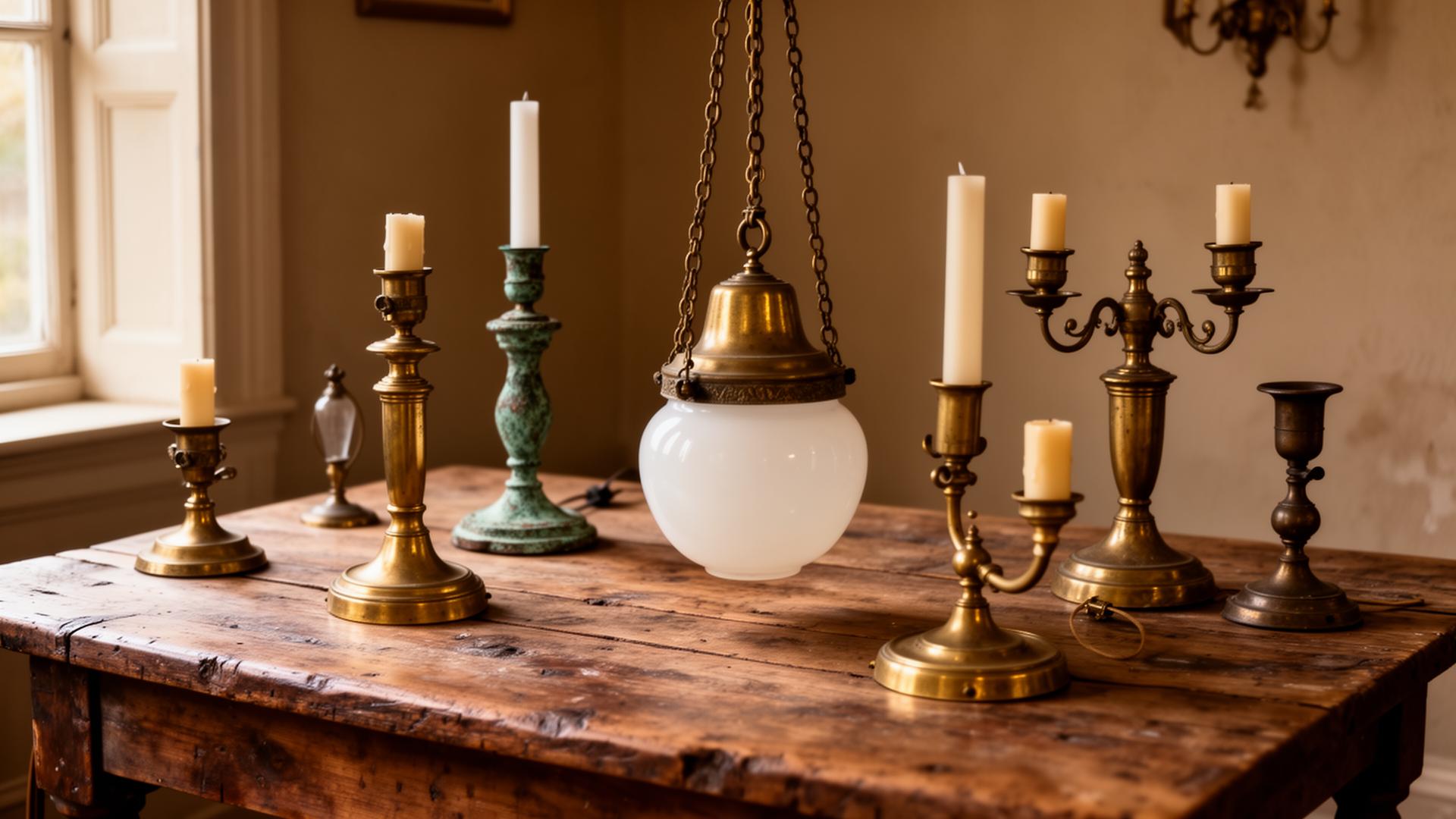
For small objects, a hire car or a generous train allowance can be the cheapest option. I have brought home brass candlesticks, ceramics, framed engravings and the occasional small mirror this way. Wrap each piece in a cotton dust sheet, pad sharp corners, and check airline or rail dimensions before you travel. Eurostar luggage rules are stricter than most people realise.
Groupage Shipping
For mid-sized furniture, groupage is the workhorse of the trade. Your piece travels in a shared container or van with other consignments along a regular route. Companies running weekly services between Paris and London, Amsterdam and Brussels, or Milan and Frankfurt charge by volume, usually in cubic metres. A typical commode might cost between one hundred and three hundred euros within Europe. The trade-off is timing: you wait for the next departure, and the route is fixed.
It is worth working with two or three groupage companies regularly, chosen because they handle antiques carefully and provide a clear paper trail. Ask any dealer at a major French market for their preferred shipper. The names will repeat.
Dedicated Transport
For valuable, fragile or oversized pieces, a dedicated courier is worth the cost. A two-person crew, a climate-controlled van, blankets, straps and door-to-door delivery. Expect to pay several times the groupage rate, but for a serious piece this is the right answer. White-glove couriers will also handle assembly, placement and the removal of packaging.
Packing, Done Properly
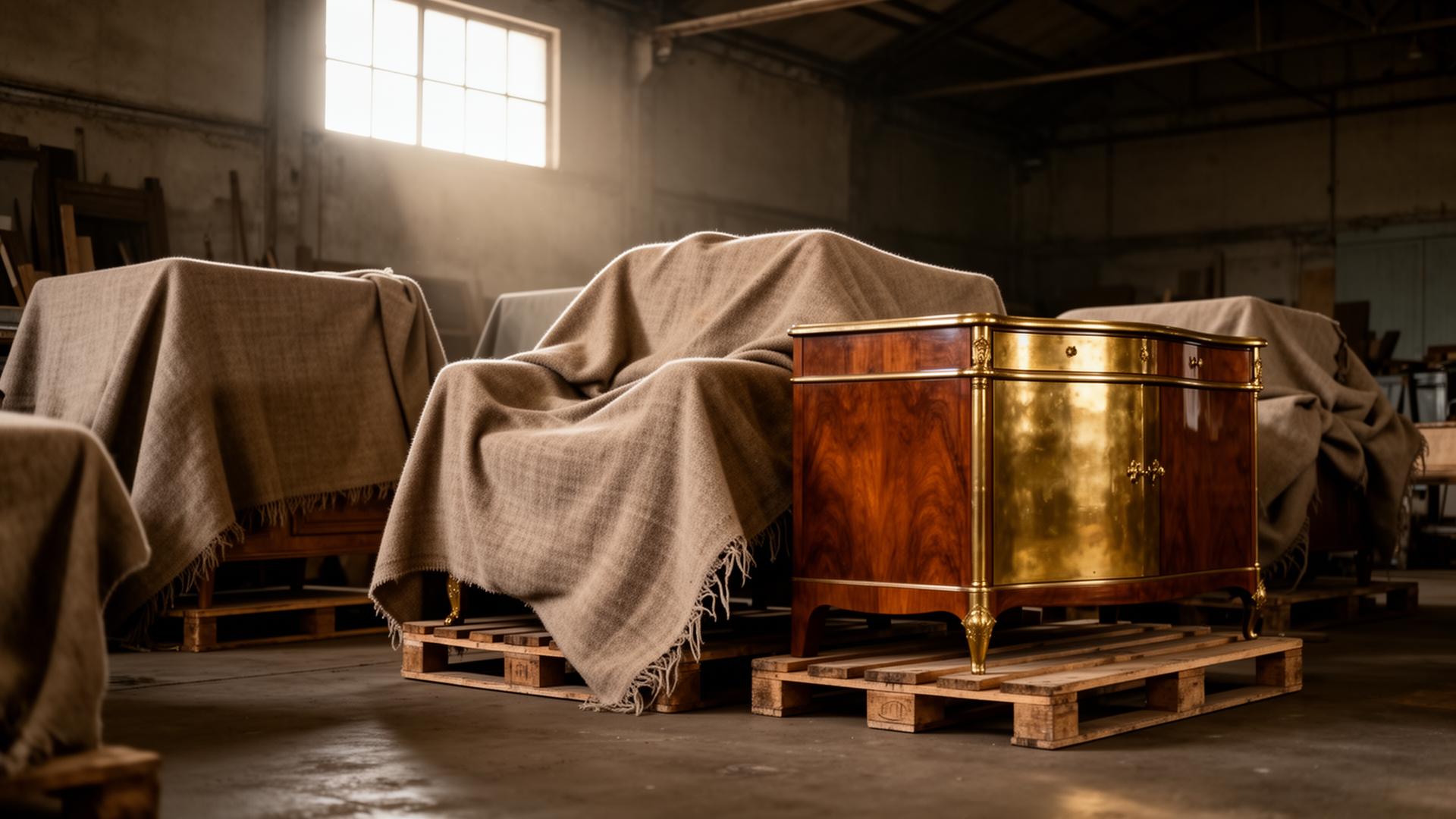
Good packing is invisible until something goes wrong, at which point it is the only thing that matters. The standard for furniture is wrapping in soft blankets or quilted moving pads, then a layer of stretch film to hold everything in place. For glass, marble or veneered surfaces, add a layer of bubble wrap, then a sheet of cardboard or thin ply at the corners. Crating is reserved for the most fragile or valuable pieces, and it costs accordingly.
If you can, watch the packing happen. A reputable shipper will not mind. The first thirty seconds tells you whether the people handling your piece know what they are doing.
Customs, VAT and the Channel
Within the European Union, furniture moves freely between member states. There is no customs declaration, no import VAT, no paperwork beyond the shipper''s own consignment note. This is the quiet advantage of buying within the bloc.
The moment you cross the Channel into the United Kingdom, or send a piece to the United States, the picture changes. A few rules to keep in mind.
Into the United Kingdom
Antiques over one hundred years old attract a reduced import VAT rate of five per cent on their declared value, plus shipping. Pieces under one hundred years old are charged at the standard rate of twenty per cent. There is no customs duty on most furniture. The dealer''s invoice should describe the piece clearly and state its age, because this determines the rate.
Into the United States
The United States does not charge import duty on antiques over one hundred years old, and most decorative furniture is duty-free anyway. There is no federal sales tax at the border, though state and local taxes may apply when the piece is delivered. A formal customs entry is required for shipments over a certain value, and a licensed customs broker handles this for you.
Provenance and CITES
Pieces incorporating ivory, tortoiseshell, certain tropical hardwoods or marine materials may require a CITES certificate to cross borders. This is rare in everyday brocante stock, but worth knowing if you are tempted by a nineteenth century writing box with ivory inlay. Without the certificate, the piece can be seized at the border.
What to Ask Before You Buy
A short list I run through at the stall, before any money changes hands.
- What are the exact dimensions, including any protruding feet or hardware?
- What does the piece weigh?
- Is the dealer willing to hold the piece for a week while I arrange transport?
- Will the dealer issue an invoice with the age, description and price clearly stated?
- Does the dealer have a preferred shipper, and what is the rough cost?
- Are there any structural issues I should declare to the shipper, such as loose veneer or a wobbly leg?
If a dealer is reluctant to answer any of these, I usually walk on. The good ones welcome the conversation.
A Note on Insurance
Most groupage shippers offer basic liability cover by weight, which is rarely enough for an antique. For anything of real value, take out transit insurance based on the agreed purchase price. The premium is small, usually one to two per cent of the value, and the peace of mind is worth more than that.
The Quiet Pleasure of Patience
The piece does not need to be home next week. Some of the best things I have sourced have travelled slowly, sitting in a shipper''s warehouse in Lille for a fortnight while a container filled around them. The wait is part of the rhythm. By the time the van pulls up in Amsterdam, the piece feels expected rather than impulsive, and that quiet anticipation is one of the small pleasures of buying this way.