Renovating is rarely simple. Renovating in a country that is not your own adds an entirely different layer of complexity.
Different planning rules. Different building codes. Different electrical systems. Different plumbing standards. Different tax structures. Different contractor expectations.
When you renovate abroad, you are not just designing a home. You are learning a new system while trying to make calm, financially sound decisions.
If you are renovating as an expat in Europe, this is what you genuinely need to consider.
The Expat Pattern: Renting First, Buying Later
Most expats follow a similar journey. You relocate. You rent. You get to know the city. You decide to stay. You buy.
Then renovation becomes real. And suddenly you realise you have no framework.
How much should a kitchen cost here? What is considered standard quality? How do I find a reliable contractor (aannemer)? What adds value in this market? If this move might only be five years, how much should I invest?
In your home country, you have context. Abroad, you start from zero. This lack of reference point is where costly mistakes begin.
Planning Permission and Monument Status
Before finishes, before layouts, before budgets, confirm what you are legally allowed to change. Across Europe, many properties are protected.
You may encounter listed building status, monument designation, protected facades, structural beam restrictions, window preservation requirements and strict heritage oversight.
In the Netherlands, a Rijksmonument designation protects specific structural and historical elements. In the UK, listed buildings require consent for many alterations. Other European countries have similar frameworks.
Always establish whether the property has protected status, what requires a permit (vergunning), whether drawings must be submitted, approval timelines, and whether an architect is legally required.
You cannot assume internal work is unrestricted.
Energy Regulations and the Shift Away from Gas
This is one of the most important structural shifts in Europe right now. Many countries are phasing out new gas connections, encouraging heat pumps, restricting installation of new wood-burning fireplaces, and tightening minimum energy performance requirements.
In the Netherlands, new homes are no longer connected to the gas grid as standard. Existing homes may retain gas systems, but policy direction is firmly toward electrification. The Dutch government also offers subsidies through the ISDE scheme for heat pumps, solar boilers and insulation, which can meaningfully offset renovation costs.
Energy Performance Certificates increasingly influence resale value, mortgage approvals and rental eligibility.
If renovating, consider whether to future-proof heating systems, whether insulation is worth upgrading now, and how energy efficiency will improve long-term value. These decisions are strategic, not decorative.
VAT and Tax Structures: The Financial Reality
This is where many expats are caught off guard.
In the Netherlands, the standard VAT rate is 21 percent. A reduced 9 percent rate applies only to specific services, currently limited to painting and plastering work on homes older than two years.
The reduced rate does not apply broadly to all renovation labour. Most renovation services, installations and materials are charged at 21 percent.
Always confirm whether a quote is inclusive or exclusive of VAT, what rate applies to labour versus materials, and whether energy upgrades are eligible for subsidies or reduced rates. VAT structure alone can materially change your budget.
Electrical and Plumbing Standards
The differences are practical and technical. The UK uses Type G sockets. Most of continental Europe uses Type C or F. The United States operates on 110 volts. Europe operates on 230 volts.
This affects appliance compatibility, imported lighting, circuit load, and switch and socket sourcing. Plumbing systems differ too. Pipe sizing, pressure, drainage systems and connection standards are not identical across countries.
Before importing fittings, always confirm voltage compatibility, local certification requirements, installation compliance and warranty validity. Never assume transferability.
Navigating Contracts and Language
Even in cities where English is widely spoken, contracts, permits and technical documentation are typically issued in the local language. In the Netherlands, building contracts, VvE (Vereniging van Eigenaren, the homeowners' association) minutes and planning documents are in Dutch. Mortgage funds for renovation are typically released in stages through a bouwdepot.
This creates a real risk of misunderstanding scope, payment terms or liability. Always ensure contracts are either bilingual or professionally translated for key clauses. Define scope in writing, agree payment stages clearly, confirm variation pricing structure, and ensure liability insurance is in place.
Contractors Without a Local Network
Finding reliable tradespeople without an established network is where much of the complexity lies. You may not know typical labour costs, standard payment structures, contract norms, or how variations are priced.
In many European cities, trades are multinational and English may be the working language. But clarity remains essential. If unsure about pricing, seek independent advice before signing.
Insurance During Renovation
This is rarely discussed but critical. Confirm whether your home insurance covers renovation works, whether your contractor carries public liability insurance, and whether neighbouring properties are protected if damage occurs.
In dense European housing, a plumbing issue can affect multiple homes. Insurance protects everyone.
Logistics, Access and Road Permits
European city centres are rarely straightforward. You may need road closure permits, crane permits, skip permits, contractor parking permissions and access scheduling approvals.
Narrow staircases may require hoisting systems. Heavy stone slabs may require structural assessment. Logistics form part of your renovation cost and timeline.
Foundation Work: The Cost Nobody Mentions
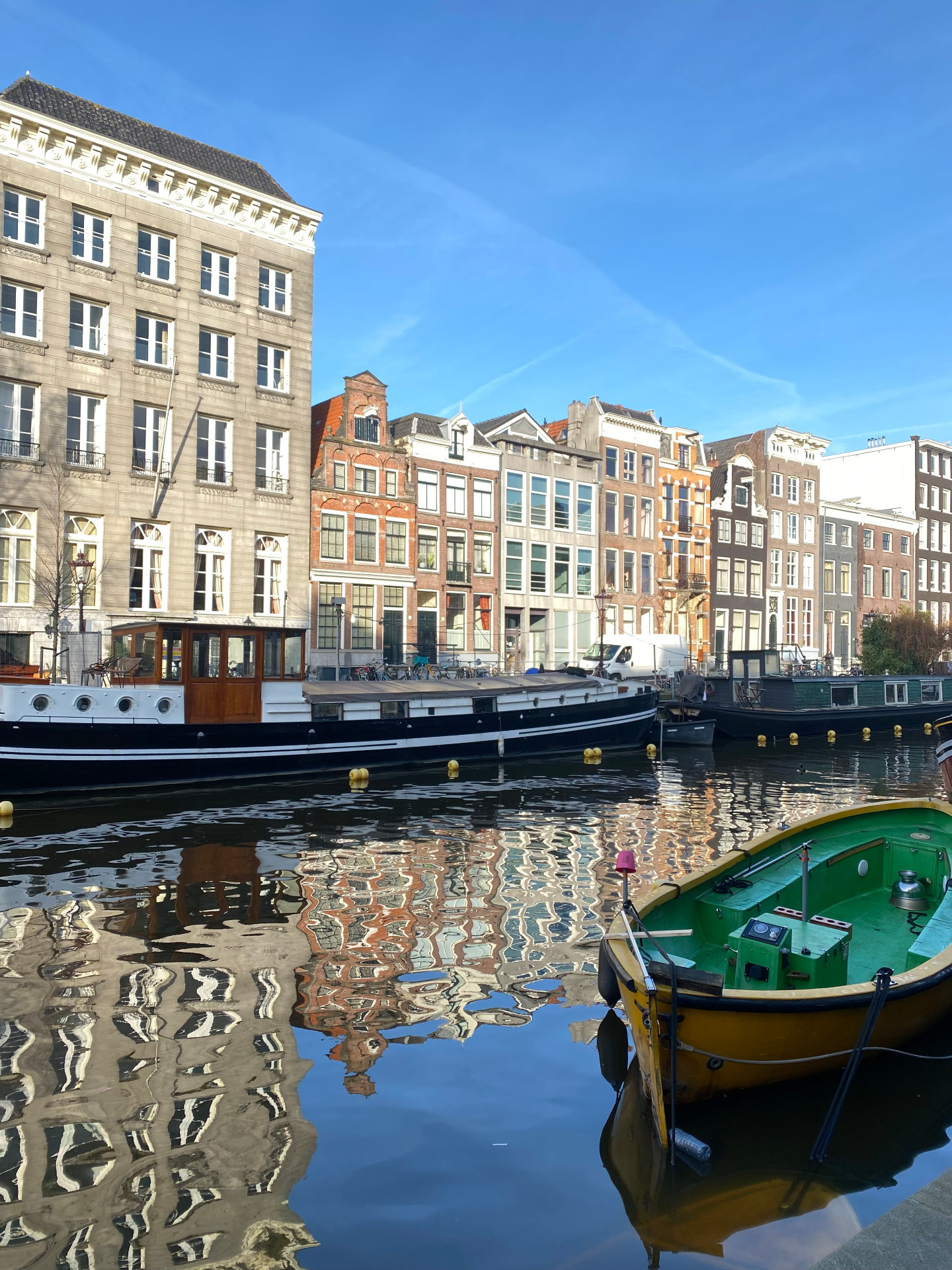
In the Netherlands and other low-lying European countries, foundation problems are among the most significant, and most underestimated, renovation costs. Many older Dutch properties sit on timber piles driven into soft ground decades or centuries ago. When those piles deteriorate, the consequences are serious: cracking walls, sinking floors, doors that no longer close, and structural instability.
Foundation repair or replacement typically involves temporarily supporting the building, driving new steel or concrete piles, and reconnecting the structure. Costs can range from EUR 40,000 to well over EUR 100,000 depending on the property size, access constraints and pile condition.
Before purchasing any older property - particularly canal houses, pre-war terraces or homes near water - commission a foundation survey. In Dutch, this is a funderingsonderzoek. Many municipalities maintain public registers of foundation risk by postcode, which are worth checking early.
If foundation work is needed, it affects everything else: timelines extend by months, budgets shift dramatically, and the scope of internal renovation may need to be reconsidered entirely. It is far better to know this before you commit than to discover it mid-project.
This is not a common issue in every European country, but in the Netherlands, Belgium and parts of Scandinavia, it is a genuine and recurring concern.
Noise Regulations and Waste Disposal
Many European municipalities regulate working hours, weekend construction, noise levels, waste separation and recycling procedures. You may be required to sort waste by type. Disposal is rarely as simple as ordering a skip.
Timelines must account for these rules.
Paint, Plaster and Breathability
Older European buildings often use lime plaster or breathable construction methods. Applying modern synthetic paint can trap moisture and cause damp.
In period properties, consider lime-based paint, mineral paint and breathable finishes. Materials must respect the structure.
Windows and Bespoke Joinery
Restoring sash windows or timber shutters may be preferable to replacement, especially in protected buildings. Finding skilled joiners takes time.
Bespoke work requires detailed drawings, site measurements, sample approvals and clear lead times. Custom joinery often extends project timelines.
Short-Term Stay Versus Long-Term Investment
Your timeline matters. If staying five years, focus on durability, keep colour palettes broad, avoid highly specific built-ins, and prioritise resale value.
If staying long term, invest in bespoke joinery, restore heritage features properly, upgrade energy systems, and specify higher-quality materials. Investment strategy should match your life plan.
Blending Cultural Expectations
Renovating abroad often means blending influences. British proportion and heritage sensitivity. American expectation of scale and comfort. European structural realities.
The goal is coherence within the architecture and within your life. The best expat renovations do not attempt to recreate another country. They respond to the building and the setting.
What This Comes Down To
Renovating as an expat in Europe means navigating planning frameworks, energy policy, VAT structures, electrical standards, insurance systems, logistical constraints and resale considerations. It can feel like a lot when you are also balancing work, relocation and settling into a new city.
But clarity changes everything. Understanding the systems, asking the right questions early and seeking context-aware guidance turns uncertainty into considered decisions.
Renovating abroad should not feel like guesswork. It should feel deliberate.