Scroll through any interiors account and you will encounter a dizzying number of terms. Maximalism. Japandi. Quiet luxury. Cottagecore. Dark academia. Each one presented as though it were a fully formed philosophy for how to live.
The truth is simpler. Most of these describe tendencies that have existed for decades, sometimes centuries. What has changed is the speed at which they are named, packaged, and circulated. Social media rewards specificity. A style needs a label to become searchable, shareable, sellable.
That is not necessarily a bad thing. Language helps us articulate what we are drawn to. But it can also make the process of designing a home feel more complicated than it needs to be.
This guide is intended to cut through the noise. Not a trend forecast, but a reference point and a way to understand what people mean when they use these terms, and to decide whether any of them resonate with how you actually want your home to feel.
The Terms
Maximalism
More is more, but with intention. Maximalism is not clutter. It is the deliberate layering of colour, pattern, texture, and objects to create a space that feels rich and personal. Think patterned wallpaper alongside bold upholstery, gallery walls, collected objects from different eras. The key distinction is curation. A maximalist room should feel considered, not chaotic.
In practice: mixing vintage and contemporary, layering rugs, displaying collections openly, embracing colour rather than defaulting to neutrals.
Minimalism
Often misunderstood as emptiness. True minimalism is about restraint and intention, keeping only what serves a purpose or brings genuine satisfaction. It is not about bare walls and anxiety-inducing perfection. A well-executed minimalist space feels calm and spacious, with high-quality materials and careful proportions doing the work that decoration does elsewhere.
In practice: fewer but better pieces, clean lines, a limited material palette, thoughtful storage so surfaces remain clear.
Cottagecore
A romantic, rural aesthetic rooted in nostalgia for a simpler, slower life. Floral fabrics, handmade ceramics, natural materials, warm wood, linen, dried flowers. It draws on English and European country house traditions, filtered through a contemporary sensibility. At its best, it creates warmth and character. At its most extreme, it can feel like a costume.
In practice: vintage textiles, handcrafted tableware, wildflower arrangements, natural fibres, open shelving displaying everyday objects.
Japandi
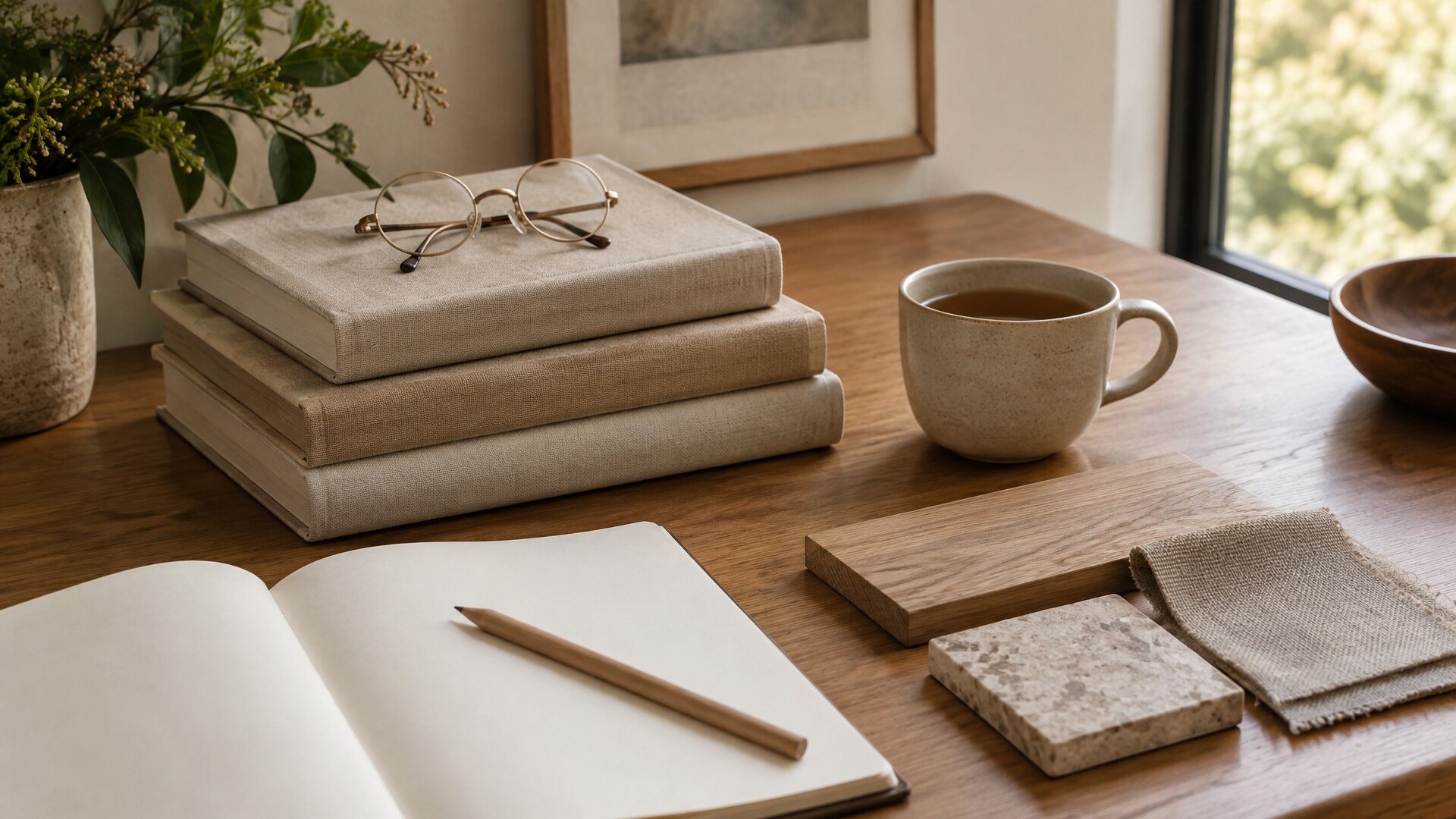
A blend of Japanese minimalism and Scandinavian warmth. Both traditions share a respect for natural materials, craftsmanship, and functional simplicity, but they arrive there from different cultural starting points. The result is a clean, serene aesthetic with more warmth and texture than pure minimalism. Light wood, organic shapes, muted tones, and an emphasis on quality over quantity.
In practice: low furniture, natural wood and stone, handmade ceramics, muted earth tones, an uncluttered approach to living.
Quiet Luxury
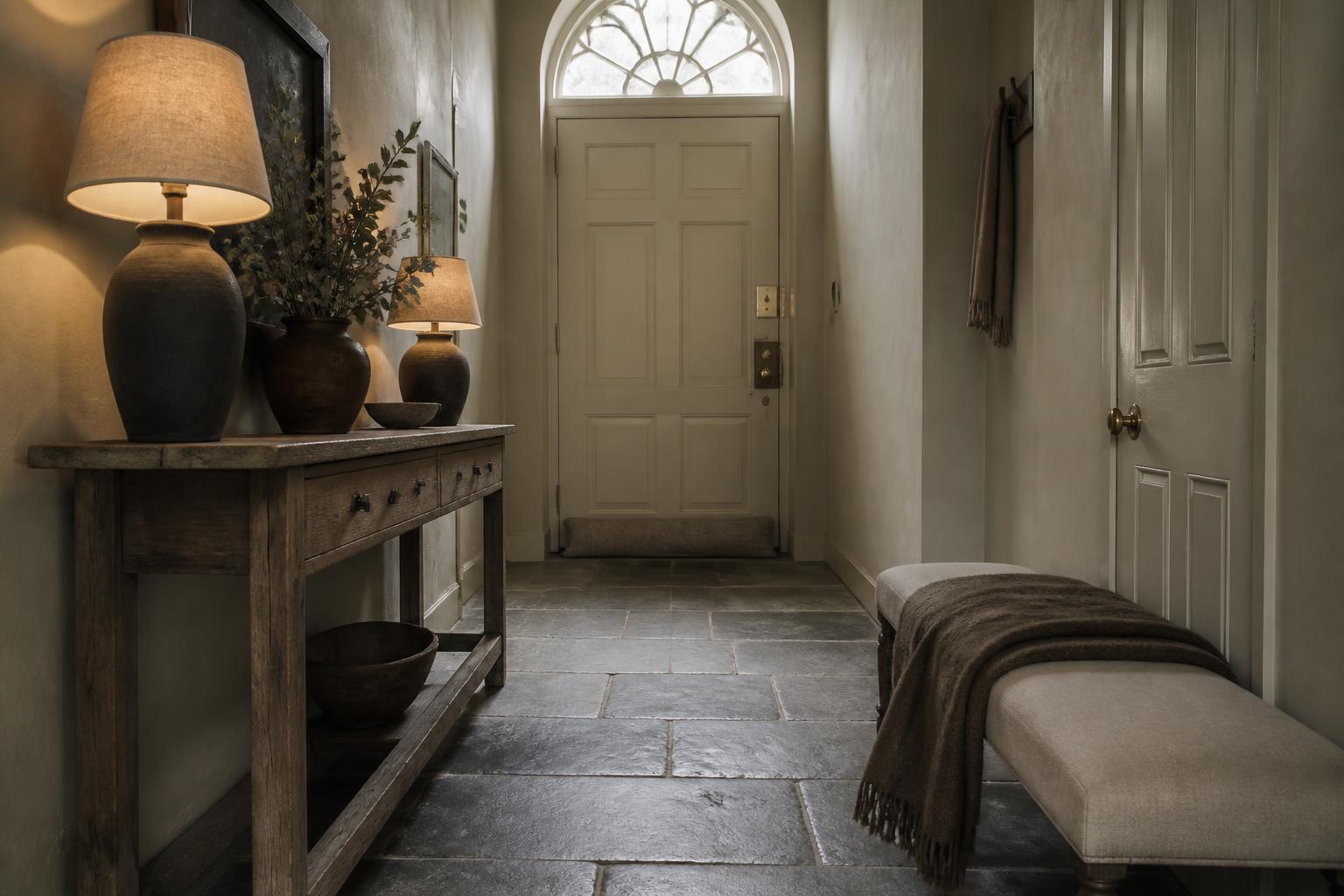
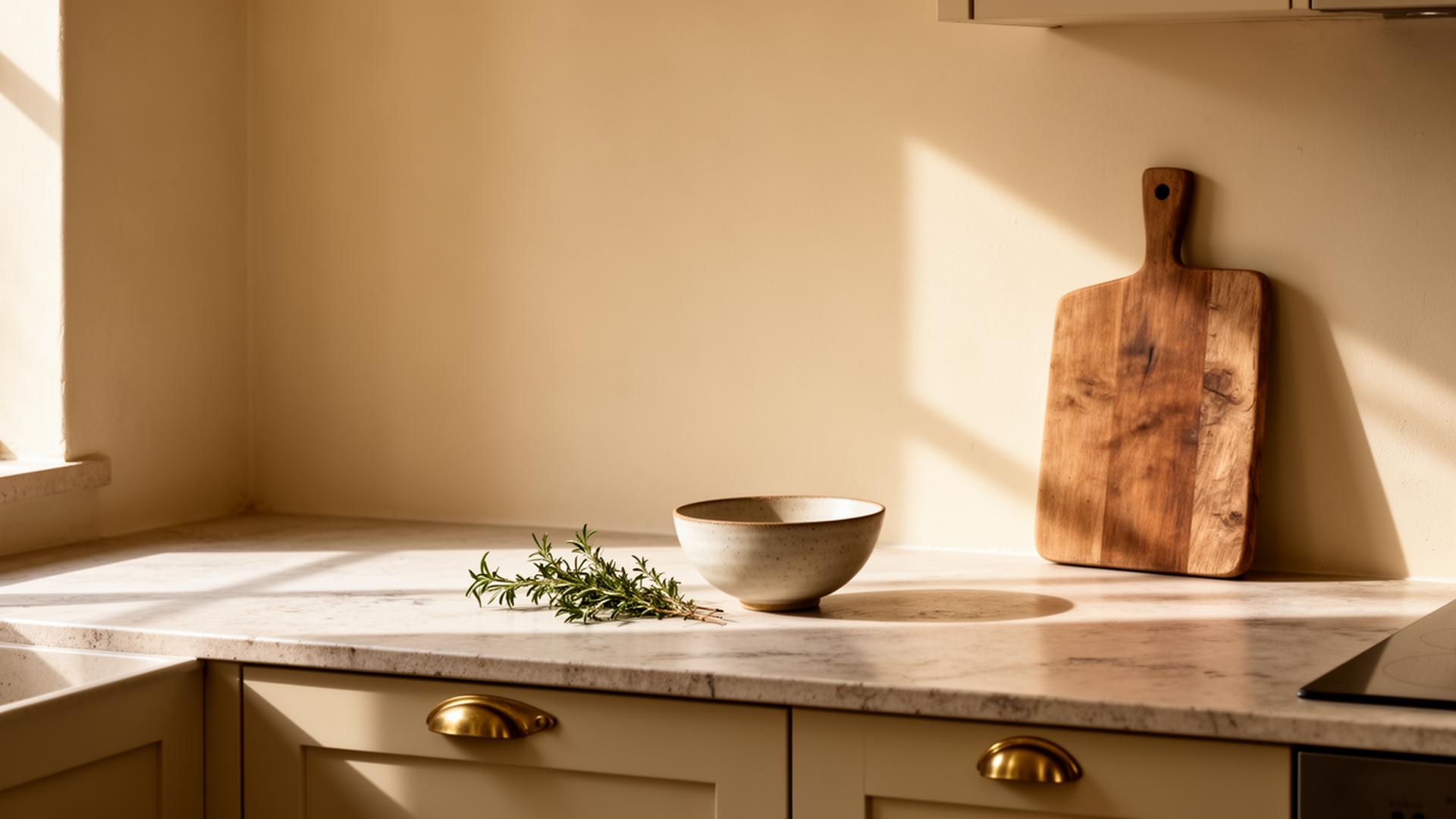
The interiors equivalent of a well-cut coat with no visible branding. Quiet luxury is about quality you can feel rather than see. Thick linen, solid brass hardware, hand-plastered walls, stone worktops. Nothing shouts, but everything has been carefully chosen. The term gained traction as a reaction against logo-heavy, trend-driven design.
In practice: investing in materials rather than decorative objects, choosing timeless over fashionable, prioritising tactile richness. The weight of a door handle, the texture of a wall finish.
Grandmillennial
Traditional interior design embraced by a younger generation. Think chintz, scalloped edges, skirted tables, antique furniture, botanical prints. The kind of decorating your grandmother did, reclaimed with affection rather than irony. It pushes back against the idea that classic equals outdated.
In practice: floral fabrics, antique or reproduction furniture, wallpaper, table lamps with pleated shades, layered window treatments.
Wabi-Sabi
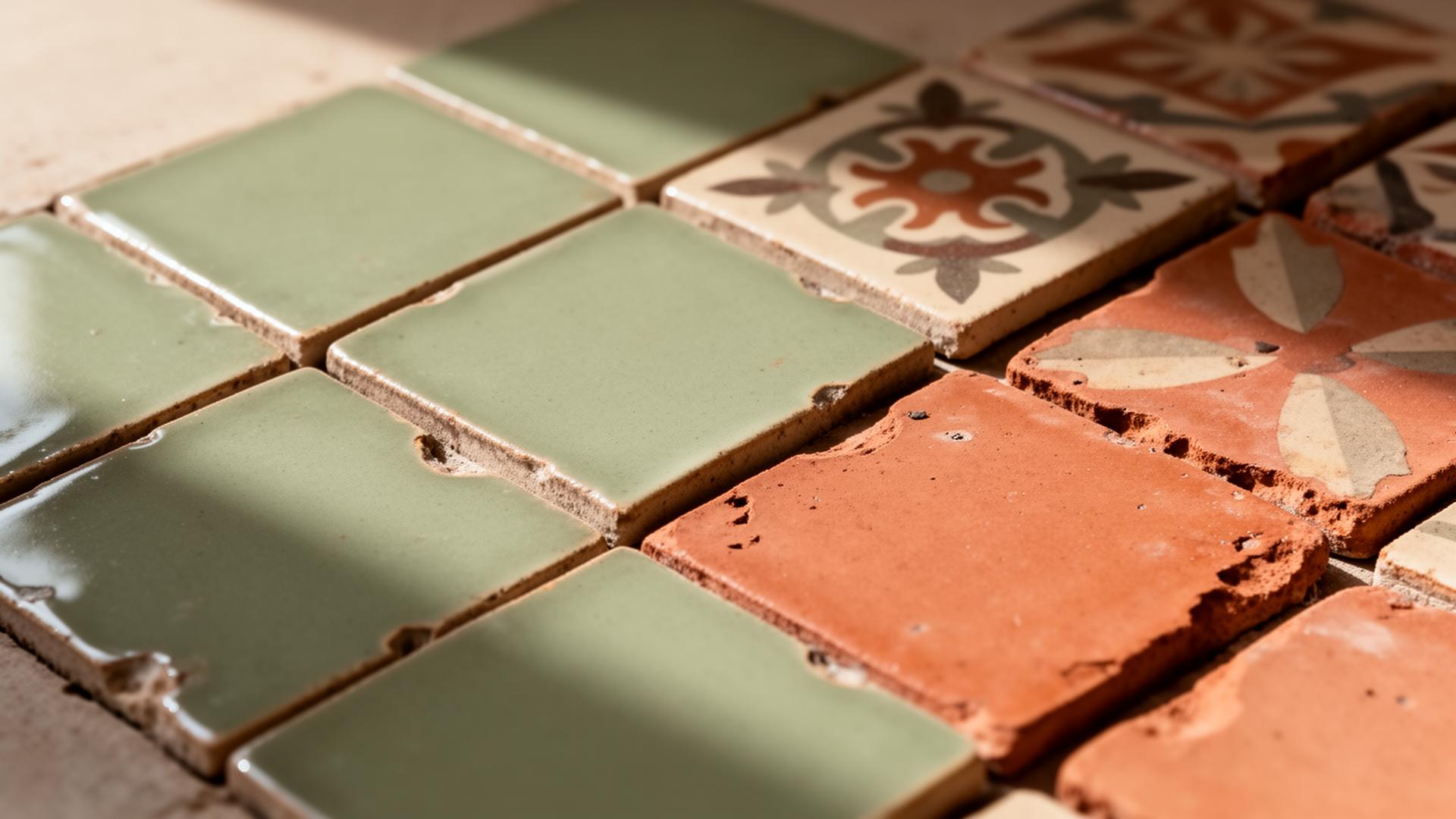
A Japanese aesthetic philosophy centred on the acceptance of imperfection and transience. In interiors, it translates to an appreciation for aged surfaces, handmade objects, natural wear, and materials that change over time. A cracked ceramic bowl repaired with gold. A linen curtain that creases. A stone floor that wears unevenly. It is the opposite of pristine.
In practice: handmade and hand-finished materials, raw plaster, aged wood, ceramics with visible marks of making, and a celebration of imperfection.
Mid-Century Modern
The design movement that emerged in the post-war period, roughly 1945 to 1970. Clean lines, organic curves, a blend of traditional and non-traditional materials, and an emphasis on bringing the outdoors in. Think Eames, Saarinen, Wegner. It remains one of the most enduring and widely referenced styles in contemporary interiors, partly because its proportions and simplicity work well in modern homes.
In practice: iconic furniture pieces, warm wood tones, statement lighting, open-plan living, large windows.
Biophilic Design
The practice of incorporating natural elements into built environments. Not just houseplants, but natural light, ventilation, views of greenery, water features, natural materials, and organic forms. The principle is rooted in research suggesting that connection to nature improves wellbeing. It is less a visual style and more an approach to how spaces feel and function.
In practice: maximising natural light, incorporating stone and wood, indoor planting, views to the outside, natural ventilation where possible.
Dark Academia
Rich, moody, intellectual. Think mahogany bookshelves, deep green walls, leather armchairs, brass desk lamps, stacked books, oil paintings. It draws on the aesthetic of old universities and libraries and has gained a significant following online. It works well in period properties and smaller, cocooning spaces.
In practice: dark, saturated colour palettes, antique or vintage furniture, bookshelves as focal points, layered lighting, heavy curtains, rich textures like velvet and leather.
Most Real Homes Are a Blend
Here is what none of these labels will tell you: almost no one lives in a single aesthetic. The most compelling homes tend to be the ones that resist easy categorisation. A quiet luxury kitchen with a maximalist art collection. A minimalist apartment with a single grandmillennial armchair inherited from a relative. A Japandi-influenced living room with a cottagecore garden visible through the window.
Labels are useful as a starting vocabulary, a way to communicate what you are drawn to, particularly when briefing a designer or trying to articulate a feeling. But they are starting points, not destinations.
How to Use This
If you are trying to define what you want your home to feel like, here is a simple approach:
Save what resonates. When you see an image that makes you pause, whether on Instagram, Pinterest, in a magazine, or walking past a window, save it. Do not worry about labelling it yet.
Look for patterns. After a few weeks, review what you have saved. You will start to notice recurring themes. Perhaps you are consistently drawn to warm wood and natural textures. Perhaps you keep saving rooms with bold colour. Perhaps every image has books in it.
Use the language. Once you see your own patterns, these terms become useful shorthand. Instead of trying to describe exactly what you want, you can say "I think I lean towards quiet luxury with some maximalist tendencies" and a designer, a paint shop, or even a search engine will understand what you mean.
Ignore what does not fit. Not every trend is for you, and that is the entire point. Your home should reflect how you live, not how the internet says you should.