Scandinavian design is often reduced to a visual shorthand: white walls, blonde wood, clean lines. But to understand its enduring appeal, you need to look beyond the aesthetic to the philosophy that shaped it.
At its core, Scandinavian design emerged from a simple question: how can we make everyday life more beautiful?
This was not design for the elite. It was democratic design, the belief that good design should be accessible to everyone, not just those who could afford bespoke craftsmanship. Form and function were never at odds; they were inseparable. A chair was not just meant to look beautiful. It had to be comfortable, durable, and affordable enough for ordinary homes.
This philosophy took root in the early 20th century across Denmark, Sweden, Norway, and Finland, countries shaped by long, dark winters, limited resources, and a deep respect for nature. The result was a design language that prioritised warmth, light, and honesty of materials.
A Brief History
1920s–1930s: The Foundations
Scandinavian design began to take shape in the interwar years, influenced by the Bauhaus movement but tempered by a softer, more humanist approach. While Bauhaus championed industrial materials like steel and glass, Scandinavian designers leaned towards natural materials (wood, leather, wool) that brought warmth to interiors.
Key figures emerged: Alvar Aalto in Finland, experimenting with bent plywood; Kaare Klint in Denmark, refining furniture proportions based on the human body.
1940s–1950s: The Golden Age
The post-war years marked the golden age of Scandinavian design. Rationing and material shortages pushed designers to innovate with what was available, primarily wood. This constraint bred some of the most iconic pieces in furniture history.
Hans Wegner designed over 500 chairs, including The Chair (1949), which became so iconic it needed no other name. Arne Jacobsen created the Ant Chair (1952) and the Egg Chair (1958). Børge Mogensen focused on democratic, functional furniture for the working home.
In 1954, the landmark Design in Scandinavia exhibition toured North America, introducing millions to this new way of living. The term "Scandinavian design" entered the global vocabulary.
1960s–1980s: Evolution and Experimentation
The 1960s brought bolder experimentation. Verner Panton's all-plastic Panton Chair (1967) pushed boundaries, while Marimekko's bold prints added colour and pattern to the palette. IKEA, founded in 1943 but gaining momentum in the 1960s, brought affordable Scandinavian-inspired design to the masses.
1990s–Present: The New Wave
A new generation of designers has carried the torch forward, blending traditional craftsmanship with contemporary sensibilities. Brands like HAY, Muuto, and &Tradition have reinterpreted mid-century classics for modern living, while sustainability has become central to the conversation.
The Colour Palette
Scandinavian interiors are defined by their relationship with light. In countries where winter days can be as short as six hours, maximising natural light is not a stylistic choice. It is a necessity.
The Neutrals
The backbone of Scandinavian colour is a warm, layered neutral palette:
- Warm whites: Not stark or clinical, but soft whites with undertones of cream, grey, or blush. Think Wimborne White by Farrow & Ball or Pointing.
- Soft greys: From pale dove grey to warmer greige tones. Pavilion Gray or Elephant's Breath work beautifully.
- Warm beiges and taupes: Earthy, grounding tones that feel cosy without being heavy.
Accent Colours
While the base is neutral, Scandinavian design is not colourless. Accent colours are used sparingly but deliberately:
- Soft blues and greens: Inspired by Nordic forests and coastal landscapes. Muted sage, dusty blue, and soft teal.
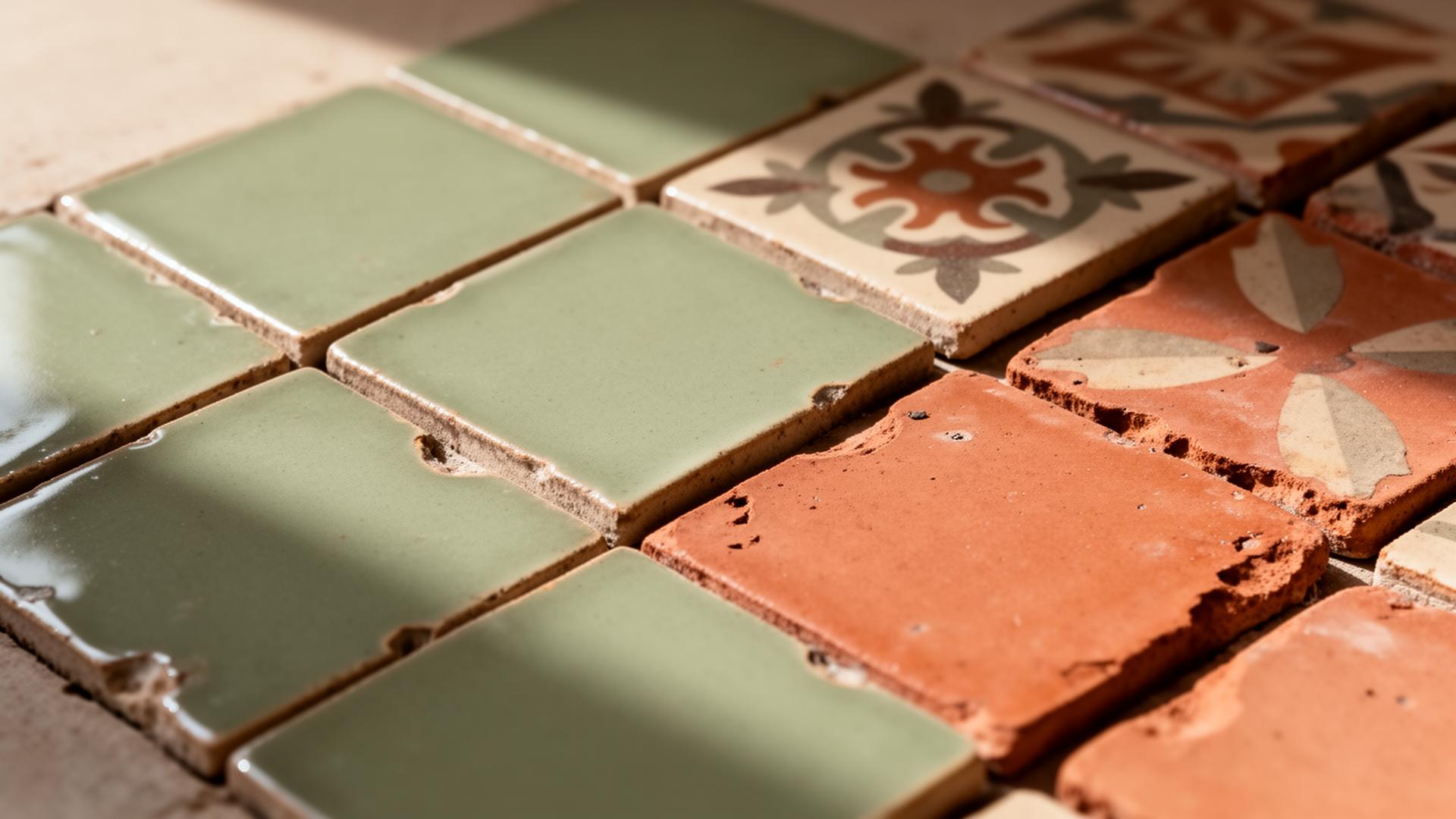
- Terracotta and ochre: Warm earth tones that add depth.
- Black accents: Used in furniture legs, frames, and lighting to add definition and contrast.
Recommended Paint Colours
For those looking to create a Scandinavian-inspired palette:
- Joa's White (Farrow & Ball), a warm, versatile off-white
- Skimming Stone (Farrow & Ball), greige perfection
- Light Blue (Farrow & Ball), a soft, watery blue
- French Gray (Little Greene), elegant mid-grey with warmth
- Linen Wash (Little Greene), a beautiful warm neutral
- Stockholm White (Dulux Heritage), clean but not cold
The Furniture: Brands and Pieces That Endure
Heritage Brands
Fritz Hansen (Denmark, 1872) One of the oldest furniture manufacturers in Denmark, Fritz Hansen has produced many of the 20th century's most iconic pieces. The Egg Chair, Swan Chair, and Series 7 by Arne Jacobsen; the PK Collection by Poul Kjærholm. These are investment pieces that hold their value and improve with age.
Carl Hansen & Søn (Denmark, 1908) The custodians of Hans Wegner's legacy. Carl Hansen produces many of Wegner's original designs, including the Wishbone Chair (CH24), which has been in continuous production since 1950. Quality is exceptional; these are pieces to pass down.
Artek (Finland, 1935) Founded by Alvar Aalto and his wife Aino, Artek produces Aalto's bent plywood designs: the Stool 60, the Paimio Chair, the Aalto Vase. Honest materials, timeless forms.
Louis Poulsen (Denmark, 1874) The lighting house behind Poul Henningsen's PH lamps, some of the most recognisable lighting designs in history. The PH 5, PH Artichoke, and Panthella remain bestsellers decades after their creation.
Contemporary Brands
HAY (Denmark, 2002) Founded by Mette and Rolf Hay with a mission to make good design accessible. HAY bridges mid-century heritage with contemporary design, offering colourful, playful pieces at democratic price points.
Muuto (Denmark, 2006) The name comes from the Finnish word muutos, meaning "new perspective." Muuto works with emerging Scandinavian designers to create furniture and accessories that feel fresh yet rooted in tradition.
&Tradition (Denmark, 2010) A brand dedicated to preserving design heritage while fostering new talent. Their catalogue includes reissued classics alongside contemporary pieces.
Skagerak (Denmark, 1976) Specialists in outdoor and indoor wood furniture, known for exceptional craftsmanship and sustainable practices.
Key Design Principles
1. Functionality First
Every piece must serve a purpose. Ornamentation for its own sake is avoided. This does not mean austerity. It means intention. A lamp should cast beautiful light. A chair should be comfortable for hours. A table should work for how you actually live.
2. Natural Materials
Wood (especially oak, ash, and birch), leather, wool, linen, and stone. Materials are chosen for their tactile qualities and how they age. Scandinavian design embraces patina, the gentle wear that comes with use.
3. Light and Space
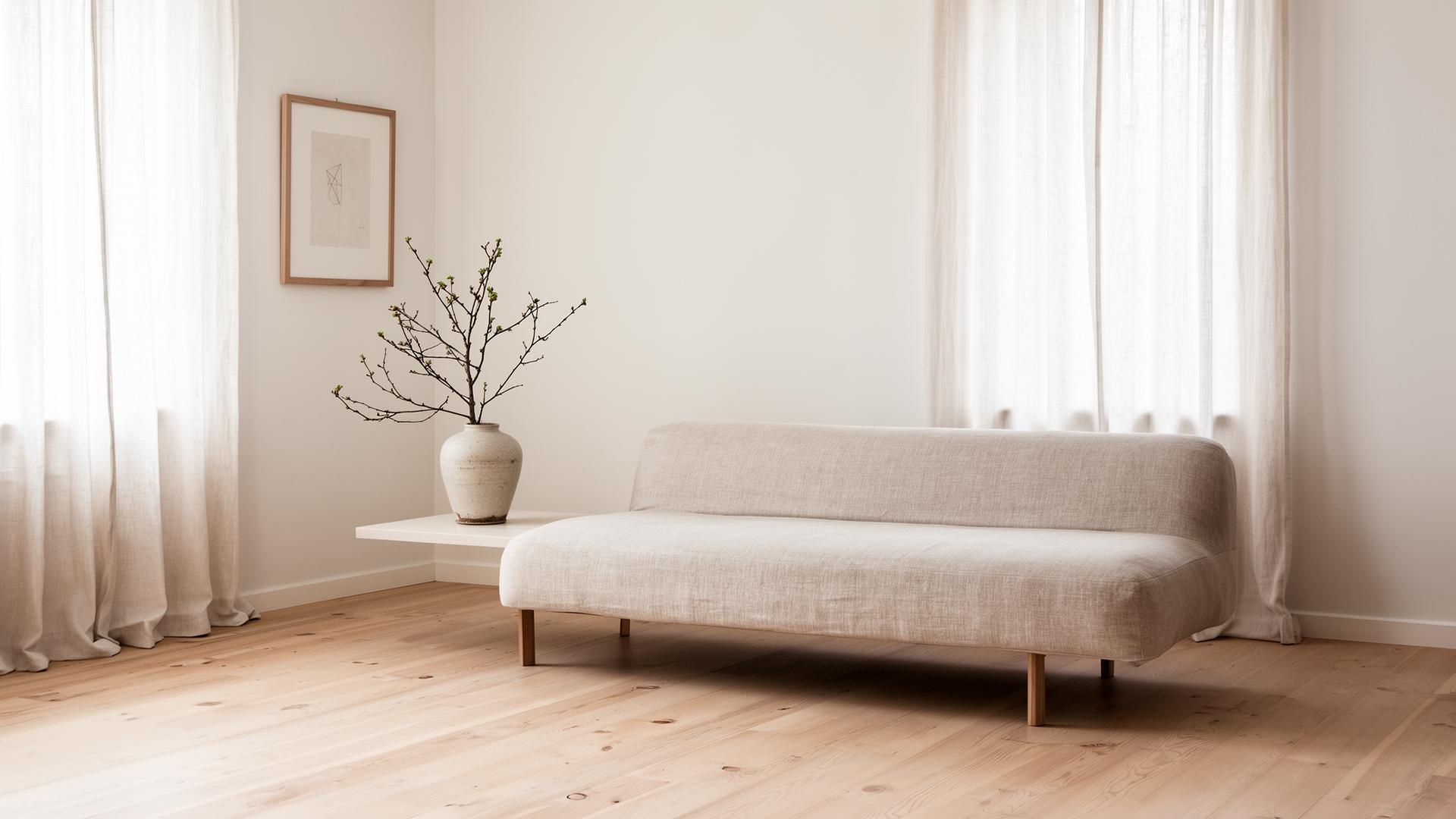
Rooms are designed to maximise light. Furniture is often raised on legs to allow light to flow beneath. Mirrors, pale walls, and minimal window treatments are common strategies.
4. Warmth Through Texture
To avoid coldness, texture is essential. Layered textiles (sheepskins, woven throws, linen curtains) add warmth and softness. This is hygge in material form.
5. Restraint, Not Minimalism
Scandinavian design is often conflated with minimalism, but there is a difference. It is not about having less for the sake of less. It is about having what you need, chosen with care.
Bringing It Home
If you are drawn to Scandinavian design, here are some practical starting points:
Start with Light
Assess how light moves through your space. Consider pale, warm paint colours. Remove heavy curtains in favour of linen or sheer panels. Add mirrors strategically.
Invest in Key Pieces
Rather than buying everything at once, invest in one or two well-made pieces: a dining table, a lounge chair, a pendant light. Let these anchor the room.
Layer Texture
Add warmth through natural textiles: a wool throw, linen cushions, a sheepskin draped over a chair. These details prevent a neutral palette from feeling cold.
Edit Ruthlessly
Scandinavian interiors are curated, not cluttered. Display what you love; store what you do not. Every object should earn its place.
Mix Old and New
The best Scandinavian-inspired rooms blend vintage finds with contemporary design. A 1960s teak sideboard alongside a modern sofa. Inherited ceramics next to new glassware. This layering creates depth and personality.
Scandinavian design endures because it was never about trend. It was about solving real problems (dark winters, small spaces, limited budgets) with elegance and integrity.
The philosophy remains relevant: choose less, choose well, and choose what makes daily life more beautiful. In a world of fast furniture and disposable design, that message feels more important than ever.