We all feel it, that quiet pressure to have a home that looks like it belongs in a magazine. Every cushion plumped, every shelf styled, every corner curated.
But the truth is, real homes are not perfect. They are lived in. They are shared with partners, children, pets, houseguests. They are places of rest, recovery, mess, growth, and memory.
And yet, when you scroll through Pinterest or flick through glossy spreads, it is easy to forget that the images we admire are often styled for the camera, not for living. There is usually a mess just outside the frame.
I believe in considered homes, but not at the expense of comfort, practicality, or your peace of mind. A good home should support your life, not try to disguise it.
Why the Myth Persists
Perfection sells. That is why showrooms feel sterile, why social media is full of pristine corners, and why even "relaxed" interiors often have every item meticulously placed.
But a real home is in flux. Children grow, furniture shifts, walls get bumped, and bookshelves overflow. Life leaves its traces, and those are often the most charming parts.
This idea that "good design" means flawless design is outdated. Some of the most characterful homes I have worked in are the ones built up slowly over time, not all at once. A chipped vase bought on holiday. A sofa that tells the story of years of lounging, laughing, and yes, spilled drinks.
These homes are not perfect. They are personal. And that is far more powerful.
The Cost of Chasing Perfection
There is a hidden tax to the pursuit of a flawless interior, and it is not just financial. It is mental. The constant tidying, restyling, and re-buying in order to keep a room camera-ready is exhausting. It turns the home, which should be the place you exhale, into another performance space.
It is also wasteful. Homes that are styled for novelty rather than longevity tend to churn through furniture, accessories, and finishes at an alarming rate. Trend-led pieces are bought and discarded within a few seasons. Cheap fittings fail and end up in landfill. The "perfect" home, in many cases, is the least sustainable one.
I am a firm believer in the opposite approach: fewer pieces, better made, kept for longer. A solid oak table that gains a patina. A linen sofa cover that softens with washing. A brass tap that goes from polished gold to a deeper, lived-in bronze. These materials are not trying to look new forever, and that is precisely why they age so gracefully.
When you stop chasing perfection, you also stop spending against it. The pressure to refresh fades, and the home begins to feel finished, even when it is not quite done. That is a quieter kind of luxury, and one I think more of us are ready for.
Design for How You Actually Live
One of the first questions I ask clients is: what is not working? Not just visually, but functionally. Where does clutter build up? What always feels unfinished? Where do you never sit?
Designing for how you live is the most sustainable and satisfying way to shape your home.
If you are a family with young children, embrace wipeable finishes, hidden storage, and zones where mess is allowed. You are not failing if your living room doubles as a playroom. You are living.
If you have a partner who is naturally untidy, styling solutions can provide quiet structure: baskets by the bed, drawers in the hallway, trays that say "this goes here."
If you are short on time or energy, invest in fewer, better things. Prioritise lighting, layout, and colour over constant redecoration.
If you are renting, lean into what you can control: textiles, art, scent, styling. There is huge power in the way a room feels, even if you cannot change the walls.
Room by Room: Where to Loosen Up
Different rooms demand different levels of polish. Knowing where to relax your standards is just as important as knowing where to raise them.
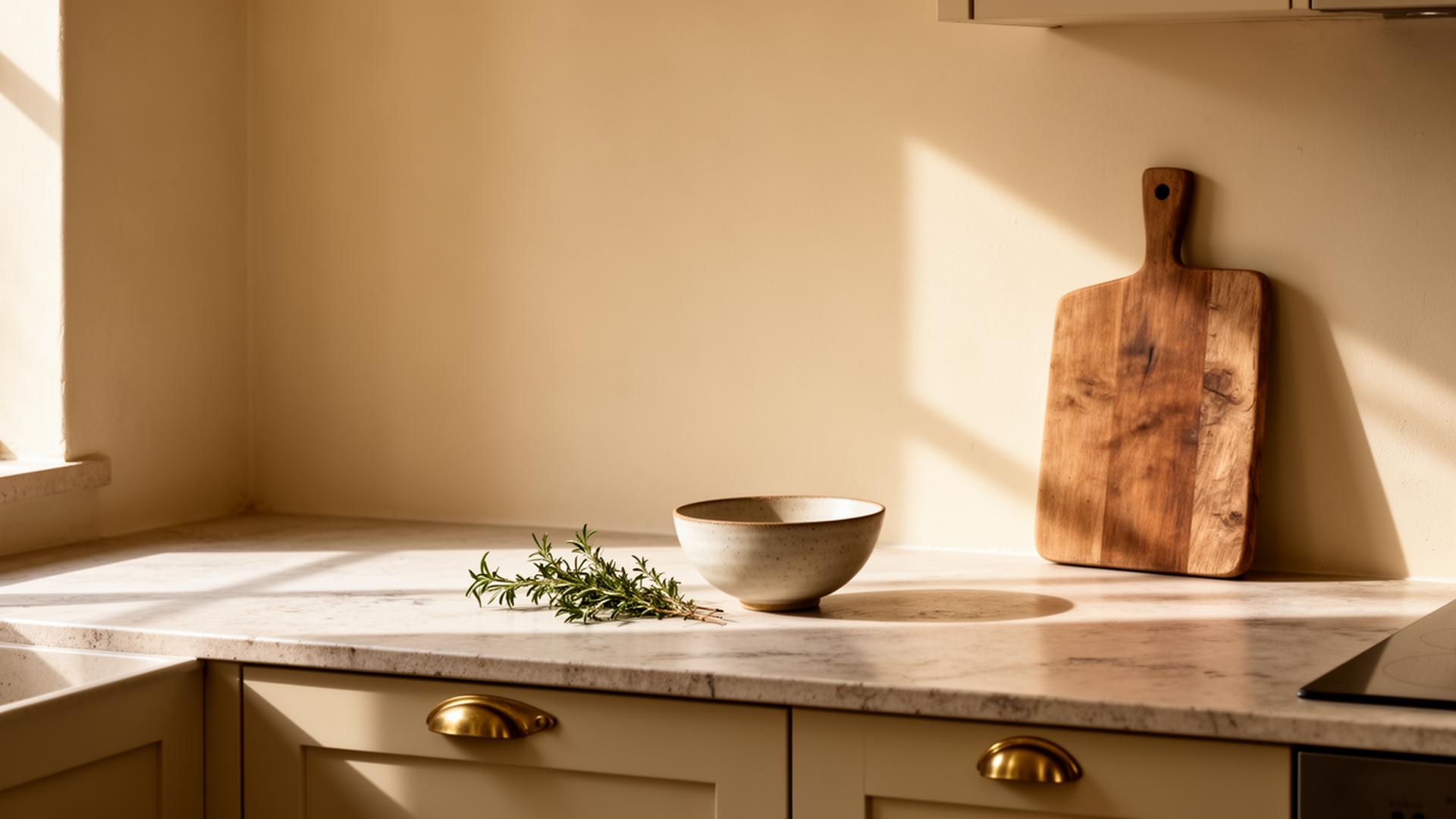
The kitchen is a working room first and a beautiful one second. Open shelving looks wonderful in photographs, but in real life it gathers grease and dust within weeks. I tend to advise a mix: closed cabinetry for the everyday, with one or two open shelves for the pieces you genuinely use and enjoy looking at. A wooden chopping board left out, a stack of well-loved bowls, a jug of olive oil. These are the props of a real life, not a styled one.
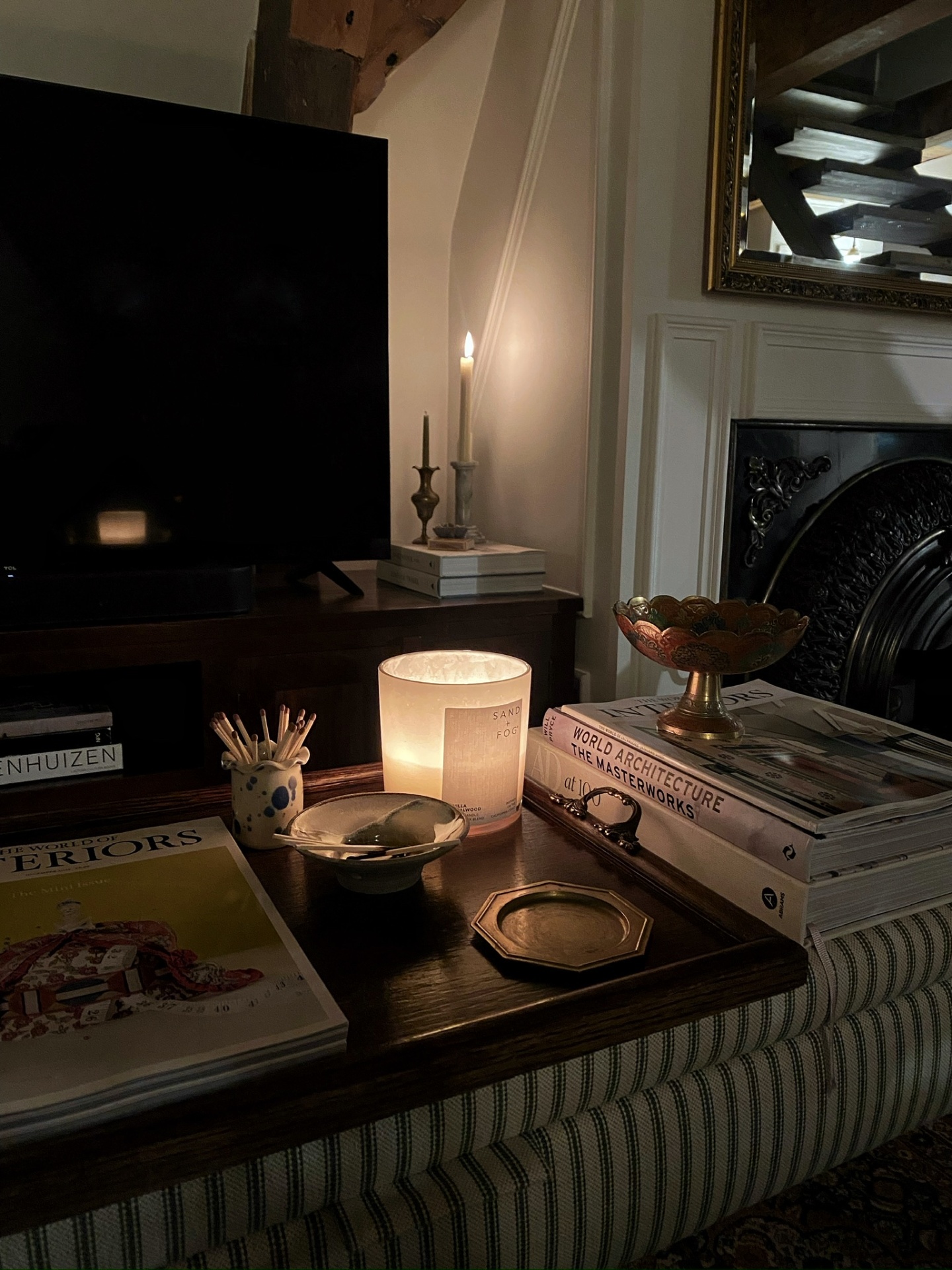
The living room should be the most forgiving space in the house. This is where books pile up, where blankets get pulled off the back of the sofa, where children build forts. Choose a sofa you can sit on with wet hair and a cup of tea. Choose a rug you do not have to police. The living room earns its character through use, not preservation.
The bedroom is the one place I encourage a slightly higher standard, but not in the way you might think. It is not about hospital corners or hotel-style symmetry. It is about reducing visual noise so the room can do its job, which is to help you rest. Keep surfaces clear, lighting low, and colour muted. A made bed and a tidy nightstand are worth more than any decorative flourish.
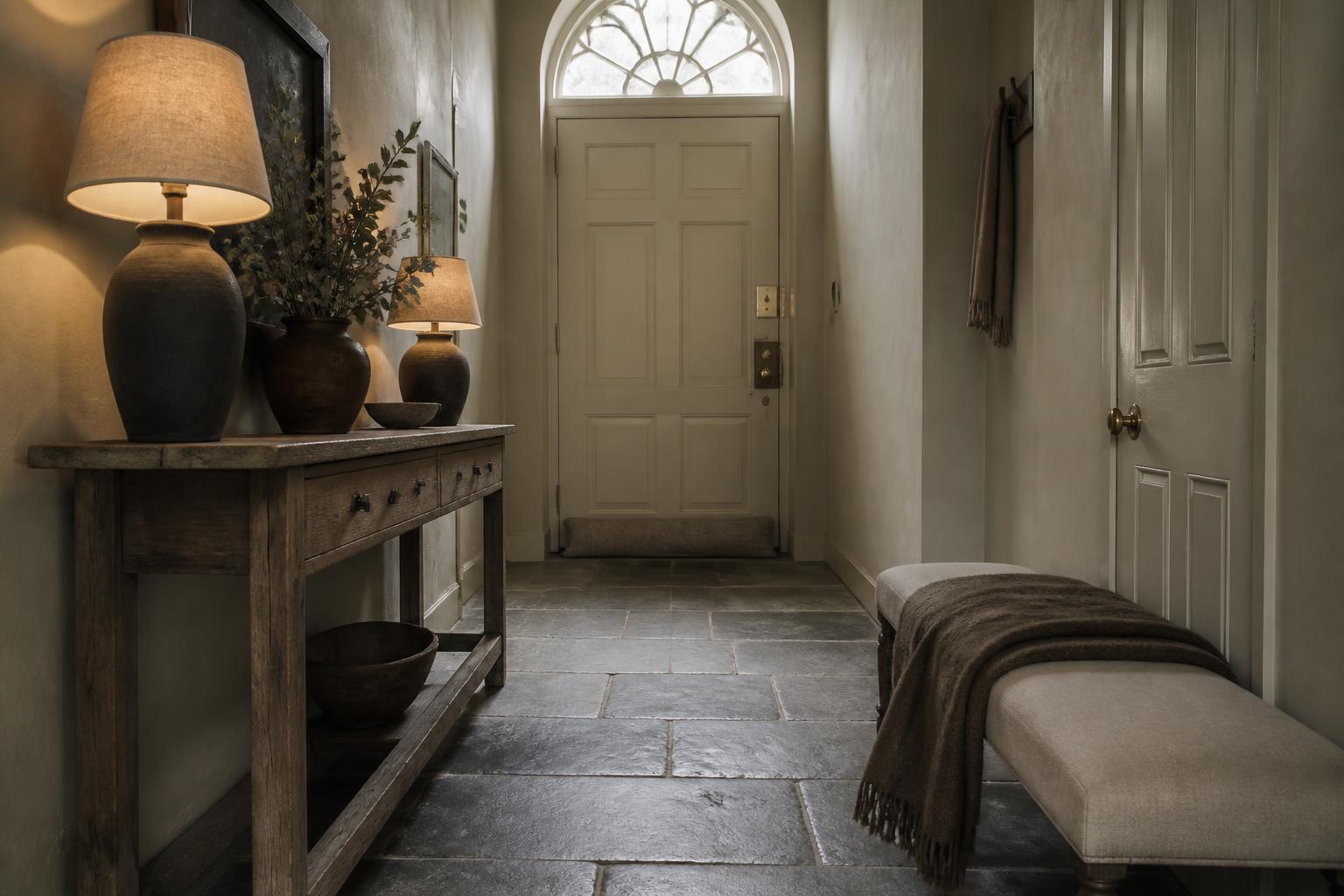
The hallway is the hardest-working room in the house and the one most often neglected. Coats, shoes, post, keys, bags, deliveries. Give every category a home, ideally behind a door or inside a basket. A hallway that functions well sets the tone for the entire house.
The bathroom is a room where small luxuries land hardest. A heavy towel, a good soap, a candle on the windowsill. You do not need a renovation to lift a bathroom. You need editing.
Practical Styling for Messy Lives
Design can still feel intentional, even when life feels chaotic. These practical, unfussy styling strategies work with the mess, not against it.
-
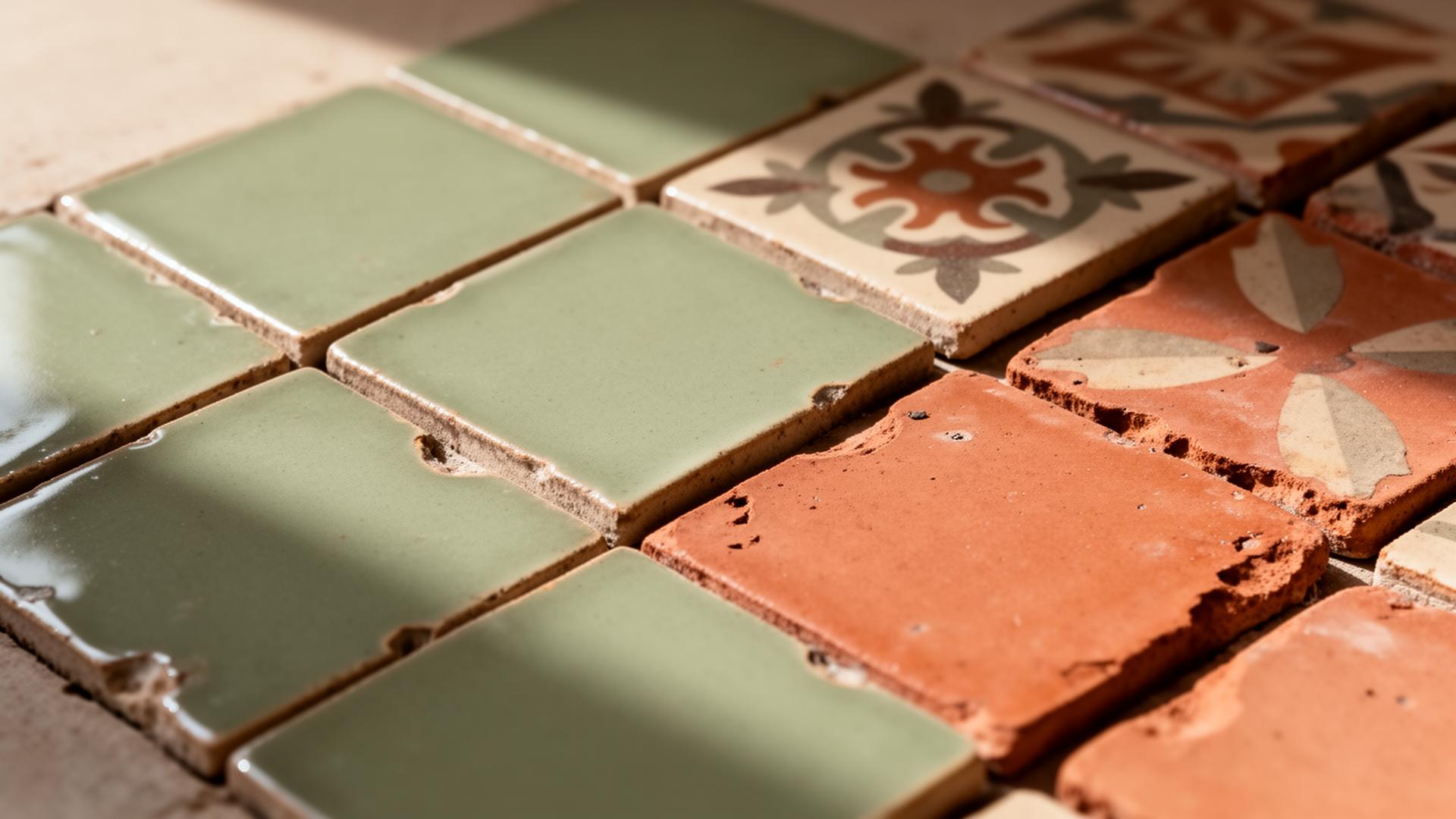
Forgiving materials: Patterned or stonewashed linens, vintage woods, jute rugs, and textured ceramics all age beautifully and hide day-to-day wear.
-
Hidden storage: Lidded baskets, antique trunks, ottomans with compartments. Perfect for toys, blankets, tech clutter or shoes.
-
Layered lighting: A mix of table lamps, wall lights and soft overheads helps mask imperfections and instantly warms up a room.
-
Zoning tricks: Rugs, trays, even a group of framed prints can define a visual "zone" in a room and bring a sense of order without major change.
-
Tidy in 10: Create "drop zones" where clutter naturally lands: a bowl for keys, a drawer for cables, a hook for bags. If it can be tidied in under ten minutes, it is worth building a system for.
Remember: your home is allowed to look lived-in. And good styling does not mean hiding everything. It means curating what is on view and giving space to what you love.
When to Invest, When to Let It Go
One of the most useful exercises I run with clients is sorting the house into two columns: where quality matters, and where wear is welcome. The first column is shorter than most people expect.
Invest in the things you touch every day. The mattress you sleep on. The sofa you collapse into. The dining chairs you sit in for hours. The kitchen tap you use a hundred times a week. These are the workhorses of the home, and cheap versions reveal themselves quickly through discomfort, wobble, or failure.
Invest in the things that are difficult to change later. Flooring, joinery, lighting circuits, plumbing. Anything that involves a tradesperson and dust sheets is worth getting right the first time. Surface decoration can always be revisited, but the bones of a home are worth treating with care.
Let go of the rest. Cushions, throws, vases, frames, side tables, smaller lamps, art prints. These are the pieces that can shift with your taste, your seasons, your moods. They do not need to be precious. In fact, they work better when they are not. A home that allows for change in its softer layers tends to feel more alive than one fixed in place.
This is also where the secondhand market becomes your best friend. Vintage shops, online auctions, family hand-me-downs, holiday finds. The character a room gains from one inherited or imperfect piece is worth more than a whole catalogue of new arrivals.
The Character of Lived-In Layers
Lived-in does not mean lazy. A considered home can, and should, feel relaxed. That ease comes from layers: objects collected over time, furniture that invites use, and corners that tell a story.
Do not be afraid to mix high and low, old and new, tidy and wild. Let your home hold both structure and softness. Keep some shelves perfectly arranged and others filled with books on their way to being read. Light the good candle on a Tuesday. Hang art your child made next to a framed etching.
This is what makes a house sing. It is not a performance. It is a rhythm.
Perfection is paralysing. It tells us not to start until we have it all figured out. But real homes evolve. They shift with seasons, with families, with moods and milestones.
The most characterful homes are not the ones without flaws. They are the ones you can breathe in.